

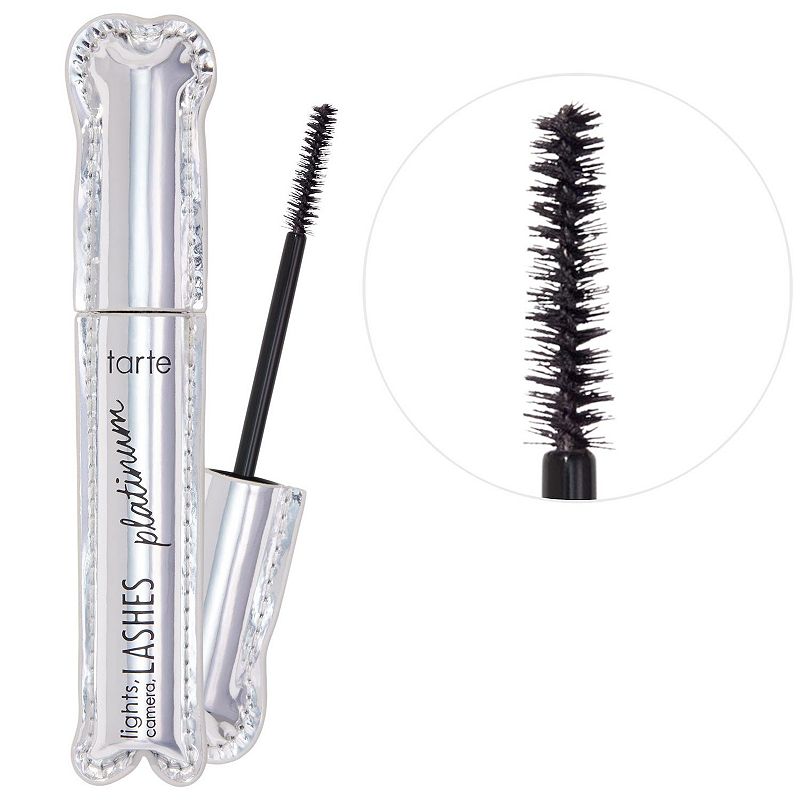
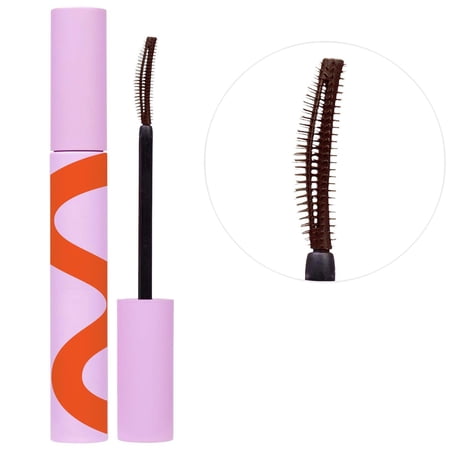

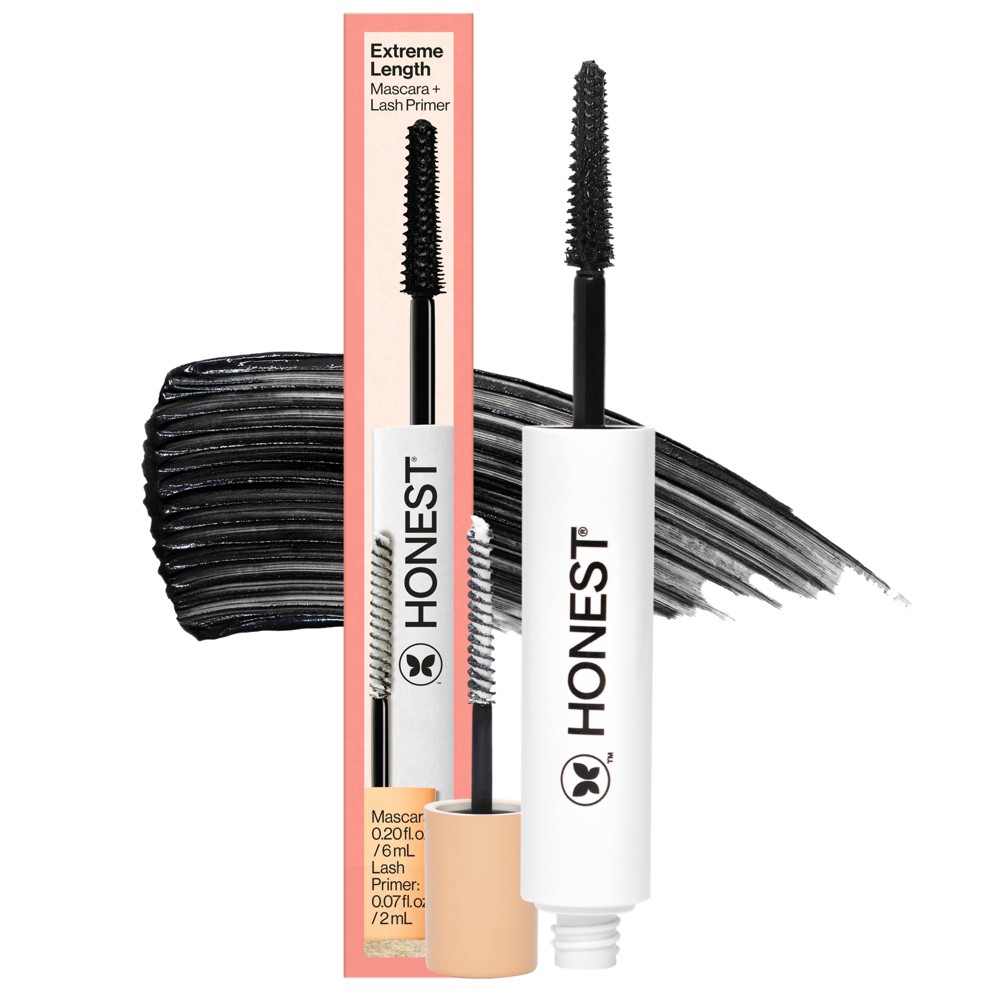
Lancome Lash Idole Lash-Lifting & Volumizing Mascara
Analysis updated September 2026 · How Scout scores
At a glance
Summary
This mascara contains beneficial natural ingredients like beeswax, carnauba wax, and green tea extract, which provide moisturizing and protective properties. However, the presence of sodium laureth sulfate, which poses a risk of skin irritation and potential contamination, along with alcohol denat., which can be drying, affects the overall safety profile. The inclusion of synthetic polymers and preservatives also contributes to a moderate processing level, impacting the score.
Key ingredients 32
Cera Alba / Beeswax / Cire DabeilleVery Good
Beeswax is a natural wax used as an emulsifier and thickener in cosmetics. It provides a protective barrier on the skin. It is well-tolerated and provides moisturizing properties.
Risks
There are minimal risks, though some individuals may have allergies to bee products.
Benefits
It helps in conditioning the lashes and provides a smooth application.
Camellia Sinensis Leaf ExtractVery Good
Camellia Sinensis Leaf Extract, also known as green tea extract, is a botanical ingredient with antioxidant properties. It helps in protecting the skin from environmental damage. It is well-tolerated and provides soothing benefits.
Risks
There are minimal risks associated with this ingredient.
Benefits
It provides antioxidant protection and soothes the skin.
GlycerinGood
Glycerin is a humectant used to attract moisture to the skin. It helps in keeping the skin hydrated and improving texture. It is well-tolerated and provides moisturizing benefits.
Risks
There are minimal risks associated with this ingredient.
Benefits
It helps in keeping the lashes hydrated and enhances the texture of the product.
CI 77499 / Iron OxidesGood
Beneficial ingredient — whole-food or functional value in this product class.
Risks
There are no significant risks associated with this ingredient.
Benefits
They provide color and enhance the visual appeal of the product.
Aqua / Water / EauNeutral
Water is a common solvent used in cosmetics to dissolve other ingredients. It does not provide any direct benefits or risks in the formulation. It acts as a base for the product.
Risks
There are no significant risks associated with water in cosmetics.
Benefits
Water helps in the application and spreadability of the product.
Styrene/Acrylates/Ammonium Methacrylate CopolymerNeutral
This copolymer is used as a film-forming agent in cosmetics. It helps in providing a smooth and even application. It is generally considered safe for use in cosmetics.
Risks
There are no significant risks associated with this ingredient in cosmetics.
Benefits
It enhances the durability and wear of the mascara.
Polyurethane-35Neutral
Polyurethane-35 is used as a film-former in cosmetics. It provides flexibility and durability to the product. It is considered safe for use in cosmetics.
Risks
There are no significant risks associated with this ingredient.
Benefits
It helps in maintaining the shape and lift of the lashes.
Synthetic FluorphlogopiteNeutral
Synthetic Fluorphlogopite is a synthetic mica used to add shimmer and shine to cosmetics. It is considered safe for use in cosmetics. It provides a pearlescent effect.
Risks
There are no significant risks associated with this ingredient.
Benefits
It enhances the visual appeal of the product by adding shine.
Glyceryl StearateNeutral
Glyceryl Stearate is an emulsifier used to stabilize formulations. It helps in blending oil and water components. It is generally considered safe for use in cosmetics.
Risks
There are no significant risks associated with this ingredient.
Benefits
It improves the texture and consistency of the product.
Cetyl AlcoholNeutral
Cetyl Alcohol is a fatty alcohol used as an emollient and thickener in cosmetics. It helps in softening the skin and improving product texture. It is generally considered safe for use in cosmetics.
Risks
There are no significant risks associated with this ingredient.
Benefits
It provides a creamy texture and helps in moisturizing the skin.
PEG-200 Glyceryl StearateNeutral
PEG-200 Glyceryl Stearate is an emulsifier used to stabilize formulations. It helps in blending oil and water components. It is generally considered safe for use in cosmetics.
Risks
There are concerns about potential contamination with ethylene oxide and 1,4-dioxane.
Benefits
It improves the texture and consistency of the product.
Ethylenediamine/Stearyl Dimer Dilinoleate CopolymerNeutral
This copolymer is used as a film-forming agent in cosmetics. It helps in providing a smooth and even application. It is generally considered safe for use in cosmetics.
Risks
There are no significant risks associated with this ingredient.
Benefits
It enhances the durability and wear of the mascara.
Copernicia Cerifera Cera / Carnauba Wax / Cire De CarnaubaNeutral
Standard formulation ingredient — neither beneficial nor harmful at typical use.
Risks
There are minimal risks associated with this ingredient.
Benefits
It helps in maintaining the shape and lift of the lashes.
Stearic AcidNeutral
Stearic Acid is a fatty acid used as an emulsifier and thickener in cosmetics. It helps in stabilizing formulations and improving texture. It is generally considered safe for use in cosmetics.
Risks
There are no significant risks associated with this ingredient.
Benefits
It provides a creamy texture and helps in moisturizing the skin.
Palmitic AcidNeutral
Palmitic Acid is a fatty acid used as an emollient and thickener in cosmetics. It helps in softening the skin and improving product texture. It is generally considered safe for use in cosmetics.
Risks
There are no significant risks associated with this ingredient.
Benefits
It provides a creamy texture and helps in moisturizing the skin.
Ethylene/VA CopolymerNeutral
Ethylene/VA Copolymer is used as a film-forming agent in cosmetics. It helps in providing a smooth and even application. It is generally considered safe for use in cosmetics.
Risks
There are no significant risks associated with this ingredient.
Benefits
It enhances the durability and wear of the mascara.
Myristic AcidNeutral
Myristic Acid is a fatty acid used as an emulsifier and thickener in cosmetics. It helps in stabilizing formulations and improving texture. It is generally considered safe for use in cosmetics.
Risks
There are no significant risks associated with this ingredient.
Benefits
It provides a creamy texture and helps in moisturizing the skin.
Aminomethyl PropanediolNeutral
Aminomethyl Propanediol is used as a pH adjuster in cosmetics. It helps in maintaining the stability and efficacy of the product. It is generally considered safe for use in cosmetics.
Risks
There are no significant risks associated with this ingredient.
Benefits
It helps in maintaining the stability of the formulation.
HydroxyethylcelluloseNeutral
Hydroxyethylcellulose is a thickening agent used to improve the texture of cosmetics. It helps in providing a smooth and even application. It is generally considered safe for use in cosmetics.
Risks
There are no significant risks associated with this ingredient.
Benefits
It enhances the texture and consistency of the product.
Caprylic/Capric TriglycerideNeutral
Caprylic/Capric Triglyceride is an emollient used to improve the texture of cosmetics. It helps in providing a smooth and even application. It is generally considered safe for use in cosmetics.
Risks
There are no significant risks associated with this ingredient.
Benefits
It enhances the texture and consistency of the product.
Caprylyl GlycolNeutral
Caprylyl Glycol is used as a preservative and skin conditioning agent in cosmetics. It helps in improving the texture and stability of the product. It is generally considered safe for use in cosmetics.
Risks
There are no significant risks associated with this ingredient.
Benefits
It helps in maintaining the stability and efficacy of the product.
Tetrasodium EDTANeutral
Tetrasodium EDTA is a chelating agent used to improve the stability of cosmetics. It helps in binding metal ions and preventing product degradation. It is generally considered safe for use in cosmetics.
Risks
There are no significant risks associated with this ingredient.
Benefits
It enhances the stability and shelf-life of the product.
Xanthan GumNeutral
Xanthan Gum is a thickening agent used to improve the texture of cosmetics. It helps in providing a smooth and even application. It is generally considered safe for use in cosmetics.
Risks
There are no significant risks associated with this ingredient.
Benefits
It enhances the texture and consistency of the product.
Butylene GlycolNeutral
Butylene Glycol is a humectant used to attract moisture to the skin. It helps in keeping the skin hydrated and improving texture. It is generally considered safe for use in cosmetics.
Risks
There are no significant risks associated with this ingredient.
Benefits
It helps in keeping the lashes hydrated and enhances the texture of the product.
Pentaerythrityl Tetra-Di-T-Butyl HydroxyhydrocinnamateNeutral
This ingredient is an antioxidant used to improve the stability of cosmetics. It helps in preventing product degradation. It is generally considered safe for use in cosmetics.
Risks
There are no significant risks associated with this ingredient.
Benefits
It enhances the stability and shelf-life of the product.
Propylene GlycolBad
Processed additive flagged under Scout's ingredient doctrine.
Risks
In rare cases, it can cause skin irritation or allergic reactions.
Benefits
It helps in keeping the skin hydrated and enhances the texture of the product.
ParaffinBad
Processed additive flagged under Scout's ingredient doctrine.
Risks
There are no significant risks associated with this ingredient.
Benefits
It helps in maintaining the shape and lift of the lashes.
Sodium Laureth SulfateBad
Sodium Laureth Sulfate is a surfactant used for its cleansing properties. It can strip natural oils from the skin and has a risk of 1,4-dioxane contamination. It is considered milder than Sodium Lauryl Sulfate but still poses irritation risks.
Risks
It can cause skin irritation and dryness.
Benefits
It helps in creating a foamy texture in cleansing products.
Disodium EDTABad
Processed additive flagged under Scout's ingredient doctrine.
Risks
There are no significant risks associated with this ingredient.
Benefits
It enhances the stability and shelf-life of the product.
Potassium SorbateBad
Synthetic preservative — flagged in daily-use products.
Risks
There are no significant risks associated with this ingredient.
Benefits
It helps in maintaining the stability and safety of the product.
PhenoxyethanolBad
Processed additive flagged under Scout's ingredient doctrine.
Risks
There are concerns about potential skin irritation in sensitive individuals.
Benefits
It helps in maintaining the stability and safety of the product.
Alcohol Denat.Very Bad
Heavily flagged ingredient class under Scout's doctrine.
Risks
It can be drying to the skin if used in high concentrations.
Benefits
It helps in the quick setting of the mascara.
Get the full breakdown in the Scout appTake Scout shopping
Scan any product to see lab results, healthy alternatives, and your personalized analysis.
Download on theApp Store GET IT ONGoogle PlayAmazon pricing & content
Amazon price as of . Product prices and availability are accurate as of the date/time indicated and are subject to change. Any price and availability information displayed on Amazon.com at the time of purchase will apply to the purchase of this product.
CERTAIN CONTENT THAT APPEARS ON THIS SITE COMES FROM AMAZON. THIS CONTENT IS PROVIDED “AS IS” AND IS SUBJECT TO CHANGE OR REMOVAL AT ANY TIME.