


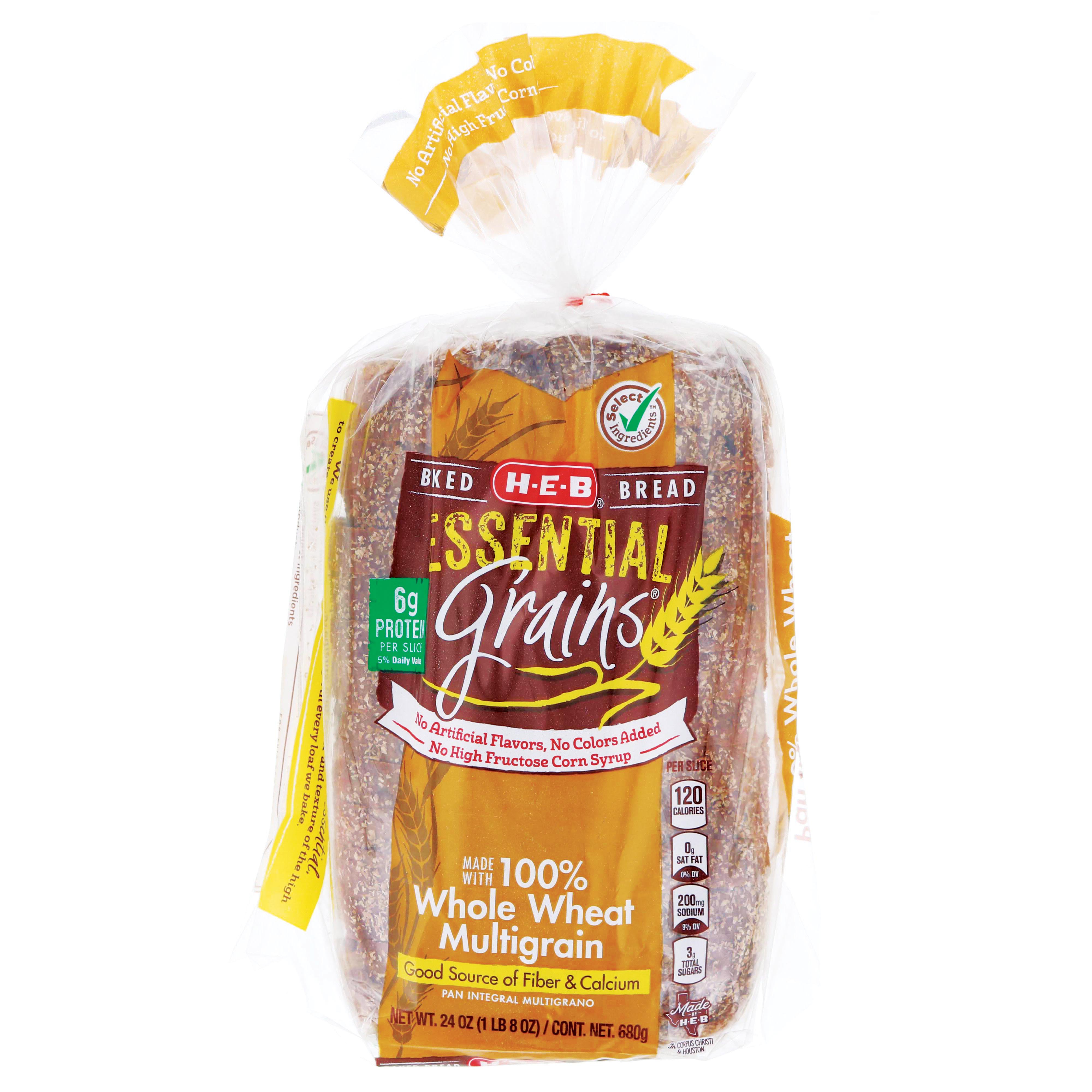


Grain Free Whole Wheatless Bread
Summary
This bread is ultra-processed, which limits its potential health score despite having some beneficial ingredients like cassava flour, hemp protein, and psyllium husk. The presence of sunflower oil, a seed oil high in omega-6 fatty acids, is a significant concern due to its potential to promote inflammation. While the bread includes some minimally processed ingredients, the overall processing level and inclusion of sunflower oil negatively impact its health rating.
At a glance
Key ingredients 16
WaterNeutral
Water is a basic ingredient used to hydrate and bind other components. It is essential for the dough formation in bread. No significant processing concerns are associated with water.
See more about Water →Gluten-Free Flour BlendNeutral
Gluten-free flour blends are used to replace traditional wheat flour for those with gluten sensitivities. These blends often contain a mix of rice flour, potato starch, and other gluten-free ingredients. The nutritional profile varies depending on the specific blend used.
Risks
Potential risk of nutrient deficiency if not fortified, as gluten-free flours may lack certain nutrients found in whole wheat.
Benefits
Provides an alternative for individuals with celiac disease or gluten intolerance.
Modified Tapioca StarchNeutral
Modified tapioca starch is used as a thickener and stabilizer in gluten-free products. It is derived from the cassava root and undergoes processing to enhance its functional properties. This ingredient helps improve texture and shelf life.
Benefits
Improves texture and stability in gluten-free baked goods.
Potato StarchNeutral
Potato starch is a common thickening agent used in gluten-free baking. It is extracted from potatoes and provides a light, fluffy texture to baked goods. It is minimally processed and generally considered safe.
Benefits
Contributes to a light and fluffy texture in gluten-free products.
Cassava FlourGood
Cassava flour is a gluten-free flour made from the whole root of the cassava plant. It is minimally processed and retains more nutrients compared to other starches. It is a good source of carbohydrates and fiber.
Benefits
Provides a source of carbohydrates and fiber, supporting digestive health.
Sunflower OilVery Bad
Sunflower oil is a seed oil high in omega-6 fatty acids, which can promote inflammation if consumed in excess. It is often extracted using high heat and chemicals, which may degrade its nutritional quality. The high omega-6 content is a concern for balanced omega-3 to omega-6 ratios.
Risks
High omega-6 content may promote inflammation when consumed in excess.
Coconut Palm SugarNeutral
Coconut palm sugar is a natural sweetener derived from the sap of coconut palm trees. It is less processed than refined sugars and retains some nutrients like iron and zinc. However, it still contributes to overall sugar intake.
Risks
Contributes to sugar intake, which should be moderated to prevent health issues like obesity and diabetes.
Benefits
Contains trace amounts of nutrients such as iron and zinc.
Hemp ProteinGood
Hemp protein is a plant-based protein source rich in essential amino acids. It is minimally processed and provides a good alternative to animal-based proteins. Hemp protein also contains healthy fats and fiber.
Benefits
Rich in essential amino acids, healthy fats, and fiber, supporting muscle health and digestion.
Psyllium HuskGood
Psyllium husk is a natural fiber that aids in digestion and helps maintain bowel regularity. It is minimally processed and often used in gluten-free baking to improve texture. Psyllium is known for its ability to absorb water and form a gel-like substance.
Benefits
Supports digestive health and helps maintain regular bowel movements.
YeastNeutral
Yeast is a microorganism used in baking to leaven bread, providing volume and texture. It is a natural ingredient that ferments sugars to produce carbon dioxide. Yeast is generally considered safe and beneficial for bread-making.
Benefits
Contributes to the leavening and texture of bread.
Modified CelluloseNeutral
Modified cellulose is used as a thickener and stabilizer in food products. It is derived from plant fibers and undergoes chemical modification to improve its functional properties. It is generally recognized as safe by food authorities.
Benefits
Improves texture and stability in food products.
VinegarNeutral
Vinegar is an acidic liquid used to enhance flavor and preserve food. It is produced through the fermentation of ethanol by acetic acid bacteria. Vinegar is a natural preservative and flavor enhancer.
Benefits
Acts as a natural preservative and flavor enhancer.
Bamboo FibreNeutral
Bamboo fibre is a plant-based fiber used to increase dietary fiber content in foods. It is minimally processed and adds bulk to food products. Bamboo fibre is generally considered safe and beneficial for digestive health.
Benefits
Increases dietary fiber content, supporting digestive health.
Sea SaltGood
Unrefined sea salt — a minimally processed, natural source of sodium and essential trace minerals, and a legitimate whole-food seasoning. Treated as a positive ingredient.
Risks
Excessive consumption may contribute to high blood pressure.
Benefits
Contains trace minerals and enhances flavor.
Cultured Cane SugarNeutral
Cultured cane sugar is a natural sweetener that undergoes fermentation to develop flavor. It is less processed than refined sugars but still contributes to overall sugar intake. Cultured cane sugar is used to enhance flavor in baked goods.
Risks
Contributes to sugar intake, which should be moderated to prevent health issues like obesity and diabetes.
Benefits
Enhances flavor in baked goods.
Cellulose GumNeutral
Cellulose gum is a thickening agent derived from plant fibers. It is used to improve texture and stability in food products. Cellulose gum is generally recognized as safe by food authorities.
Benefits
Improves texture and stability in food products.
Processing
Ultra-Processed Foods
Get the full breakdown in the Scout app
Scan any product to see lab results, healthy alternatives, and your personalized analysis.
Download on theApp Store