


At a glance
Summary
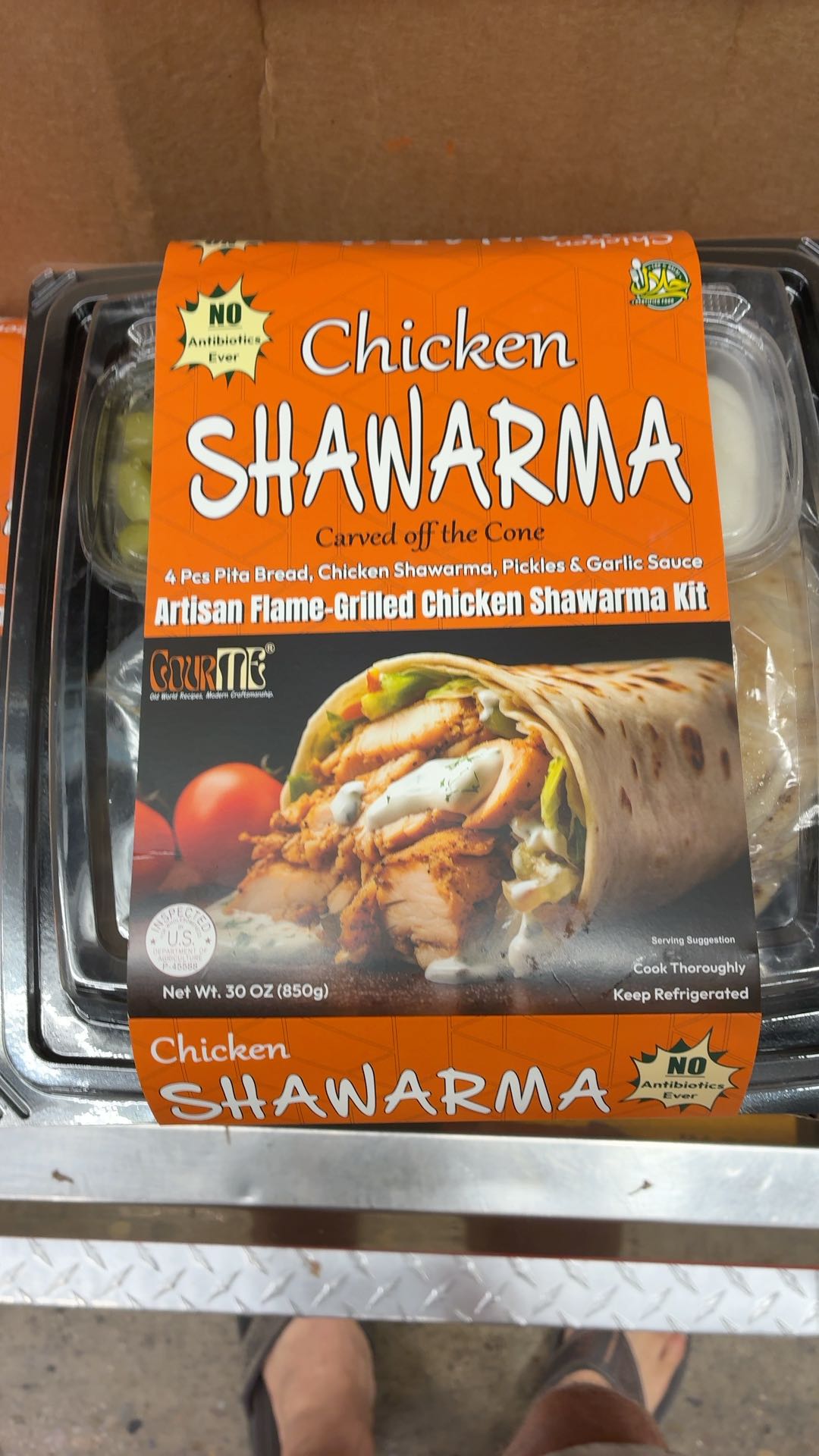
This chicken shawarma meat product contains high-quality ingredients like halal chicken breast, yogurt, and olive oil, which provide beneficial nutrients and healthy fats. However, it includes an emulsifier and added sugar, which are less desirable in terms of health impact. The product is moderately processed, which limits its score despite the presence of several beneficial ingredients.
Key ingredients 14
Olive OilVery Good
Olive oil is rich in monounsaturated fats, which are beneficial for heart health. It contains antioxidants that reduce inflammation and oxidative stress. Cold-pressed extraction preserves its nutritional quality.
Benefits
Supports heart health and provides anti-inflammatory properties.
Halal Chicken Breast MeatGood
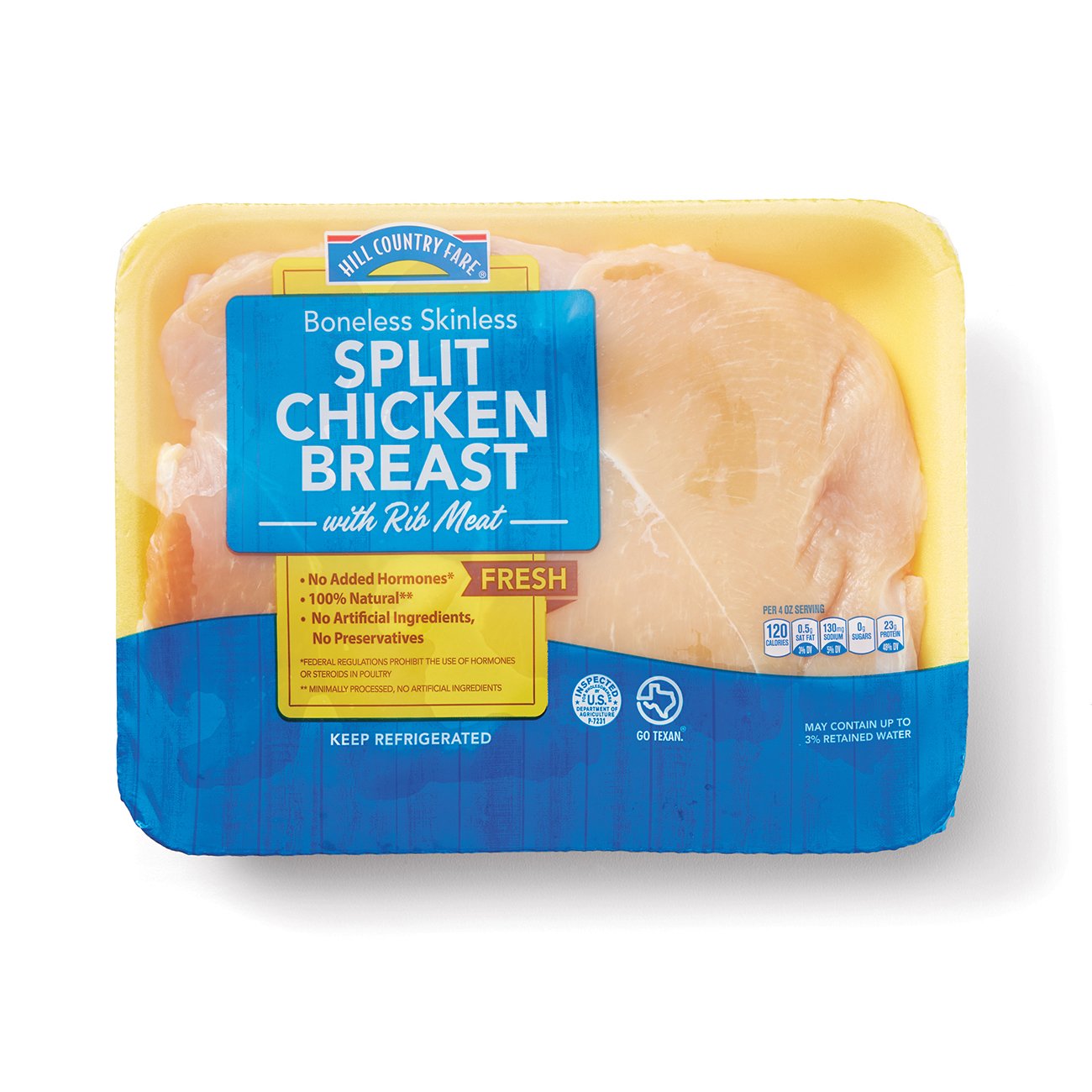
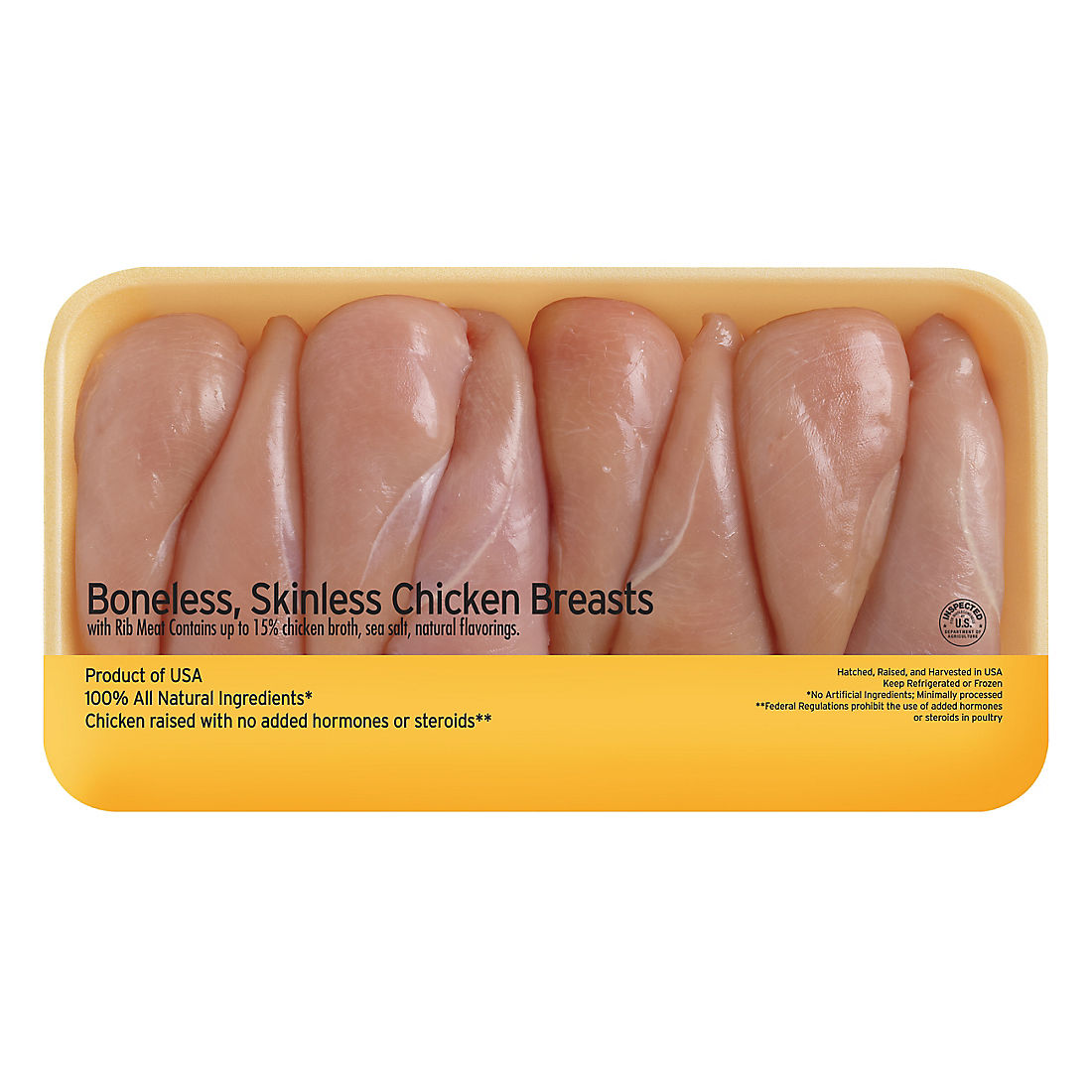
Chicken breast is a high-quality source of lean protein, essential for muscle growth and repair. It is minimally processed and provides a rich amino acid profile. Halal certification ensures ethical and clean processing.
Benefits
Provides essential amino acids and is low in fat, making it a healthy protein source.
YoghurtGood
Yoghurt is a fermented dairy product that contains probiotics beneficial for gut health. It is a source of calcium and protein, supporting bone health and muscle maintenance. The fermentation process enhances nutrient absorption.
Risks
May cause issues for individuals with lactose intolerance.
Benefits
Contains probiotics that support digestive health and is a good source of calcium.
Garlic PasteGood
Garlic paste provides the health benefits of garlic, including potential cardiovascular benefits and immune support. It is a natural ingredient with minimal processing. Garlic contains allicin, which has antimicrobial properties.
Risks
May cause digestive discomfort in some individuals.
Benefits
Supports cardiovascular health and has antimicrobial properties.
Shawarma SpicesGood
Shawarma spices typically include a blend of beneficial herbs and spices like cumin and coriander. These spices can enhance flavor and provide antioxidant benefits. They are minimally processed and add nutritional value.
Benefits
Adds flavor and provides antioxidant benefits.
GarlicGood
Garlic is a natural ingredient known for its potential health benefits, including cardiovascular support and immune enhancement. It contains allicin, which has antimicrobial and antioxidant properties. Fresh garlic is minimally processed and nutrient-rich.
Risks
May cause digestive discomfort in some individuals.
Benefits
Supports cardiovascular health and has antimicrobial properties.
Starter CultureGood
Starter cultures are used in fermentation to promote the growth of beneficial bacteria. They enhance the nutritional profile of foods by increasing probiotic content. Fermentation can improve digestion and nutrient absorption.
Benefits
Enhances probiotic content and supports digestive health.
Vitamin DGood
Vitamin D is essential for bone health and immune function. It is often added to foods to prevent deficiencies, especially in regions with limited sunlight exposure. Adequate vitamin D levels support calcium absorption and bone strength.
Benefits
Supports bone health and immune function.
White PepperGood
Beneficial ingredient — whole-food or functional value in this product class.
Benefits
Adds flavor to dishes.
CardamomGood
Cardamom is a spice known for its aromatic flavor and potential health benefits. It contains antioxidants and may aid in digestion. Cardamom is minimally processed and adds both flavor and nutritional value.
Benefits
May aid digestion and provide antioxidant benefits.
SaltNeutral
Salt is used as a seasoning and preservative in foods. It is a necessary nutrient but should be consumed in moderation to avoid health issues. This ingredient is refined and does not provide additional trace minerals.
Risks
Excessive consumption can lead to high blood pressure and cardiovascular issues.
Benefits
Essential for maintaining fluid balance and nerve function.
PectinNeutral
Pectin is a natural polysaccharide used as a gelling agent in foods. It is derived from fruits and is minimally processed. Pectin is generally recognized as safe and has no significant health concerns.
Benefits
May aid in digestion and support gut health.
Emulsifier (E 451)Bad
E 451 is a phosphate-based emulsifier used to improve texture and stability in processed foods. It is a synthetic additive and may contribute to dietary phosphate load. Overconsumption of phosphates can affect bone health.
Risks
High intake of phosphates may lead to imbalances in calcium metabolism and affect bone health.
SugarBad
Sugar is a refined carbohydrate that can contribute to weight gain and metabolic issues when consumed in excess. It is often added to enhance flavor but provides no essential nutrients. High sugar intake is linked to increased risk of chronic diseases.
Risks
Excessive consumption can lead to obesity, type 2 diabetes, and dental issues.
Processing
Processed Foods
Get the full breakdown in the Scout appTake Scout shopping
Scan any product to see lab results, healthy alternatives, and your personalized analysis.
Download on theApp Store GET IT ONGoogle Play