
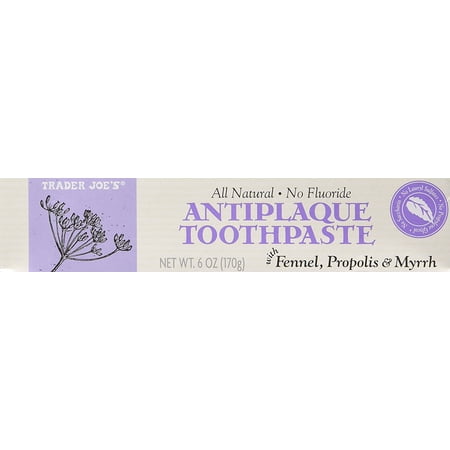
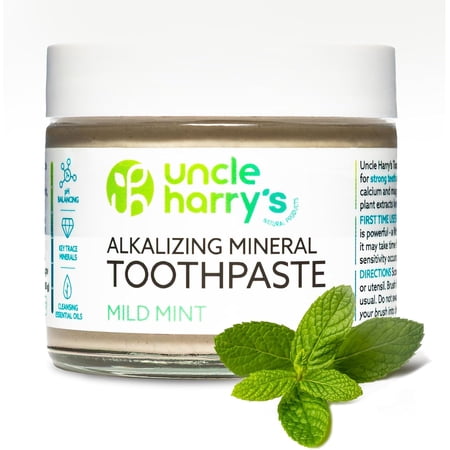




Trader Joe's All Natural No Fluoride Antiplaque Toothpaste
Trader Joe'sAnalysis updated August 2026 · How Scout scores
Near you
Trader Joe's is carried at Trader Joe stores. Find one within 25 miles.
At a glance
Summary
This toothpaste features a clean formula with beneficial ingredients like xylitol, which helps reduce cavity-causing bacteria, and peppermint oil for fresh breath. It avoids harmful substances such as fluoride, SLS, and artificial additives, making it a strong choice for oral care with minimal processing concerns.
Key ingredients 11
XYLITOLVery Good
Xylitol is a natural sweetener that has been shown to reduce cavity-causing bacteria in the mouth. It is beneficial for oral health as it helps in preventing tooth decay. Xylitol is well-regarded for its positive impact on dental health.
Risks
Excessive consumption can cause digestive issues, but this is not a concern in toothpaste.
Benefits
It reduces the growth of cavity-causing bacteria, promoting oral health.
GLYCERINGood
Beneficial ingredient — whole-food or functional value in this product class.
Risks
There are no significant risks associated with glycerin in toothpaste.
Benefits
It helps in maintaining moisture and texture of the toothpaste.
MENTHA PIPERITA (PEPPERMINT) OILGood
Peppermint oil is used for its natural antimicrobial properties and to provide a fresh, minty flavor. It helps in maintaining fresh breath and may contribute to oral health. It is a beneficial ingredient in oral care products.
Risks
There are no significant risks associated with peppermint oil in toothpaste.
Benefits
It provides a fresh flavor and has antimicrobial properties.
CALCIUM CARBONATENeutral
Calcium carbonate is commonly used as a mild abrasive in toothpaste to help remove plaque and surface stains. It is generally considered safe and effective for this purpose. However, it does not provide any antimicrobial benefits.
Risks
There are no significant risks associated with calcium carbonate in toothpaste.
Benefits
It helps in cleaning teeth by acting as a gentle abrasive.
WATERNeutral
Water is used as a solvent to dissolve other ingredients and provide the desired consistency. It is an essential component but does not contribute to the active cleaning or protective properties of the toothpaste. It is neutral in terms of health impact.
Risks
There are no risks associated with water in toothpaste.
Benefits
It helps in maintaining the consistency and solubility of the toothpaste.
SODIUM COCOYL GLUTAMATENeutral
Sodium cocoyl glutamate is a mild surfactant derived from coconut oil and glutamic acid. It is used to help the toothpaste foam and clean effectively. It is considered safe and non-irritating.
Risks
There are no significant risks associated with sodium cocoyl glutamate in toothpaste.
Benefits
It provides gentle cleansing without irritation.
FOENICULUM VULGARE (FENNEL) OILNeutral
Fennel oil is used for its flavoring properties and potential antimicrobial effects. While it adds a pleasant taste, its direct impact on oral health is not well-documented. It is generally safe for use in oral care products.
Risks
There are no significant risks associated with fennel oil in toothpaste.
Benefits
It provides flavor and may offer mild antimicrobial benefits.
COMMIPHORA MYRRHA (MYRRH) RESINNeutral
Myrrh resin is traditionally used for its potential antimicrobial and anti-inflammatory properties. It may help in maintaining oral health, although its effectiveness in toothpaste is not well-established. It is considered safe for use.
Risks
There are no significant risks associated with myrrh resin in toothpaste.
Benefits
It may offer antimicrobial and anti-inflammatory benefits.
HYDRATED SILICANeutral
Hydrated silica is used as an abrasive to help remove plaque and surface stains from teeth. It is effective for cleaning but does not provide any antimicrobial benefits. It is generally considered safe for use in toothpaste.
Risks
Excessive abrasiveness can potentially damage enamel, but this is not a concern at typical concentrations.
Benefits
It helps in cleaning teeth by removing plaque and stains.
PROPOLIS WAXNeutral
Propolis wax is used for its potential antimicrobial properties and to help bind the toothpaste ingredients. While it may offer some oral health benefits, its effectiveness in toothpaste is not well-documented. It is considered safe for use.
Risks
There are no significant risks associated with propolis wax in toothpaste.
Benefits
It may offer antimicrobial benefits and helps in binding ingredients.
CHONDRUS CRISPUS (CARRAGEENAN)Bad
Processed additive flagged under Scout's ingredient doctrine.
Risks
There are no significant risks associated with carrageenan in toothpaste.
Benefits
It helps in maintaining the consistency of the toothpaste.
Get the full breakdown in the Scout appTake Scout shopping
Scan any product to see lab results, healthy alternatives, and your personalized analysis.
Download on theApp Store GET IT ONGoogle Play