
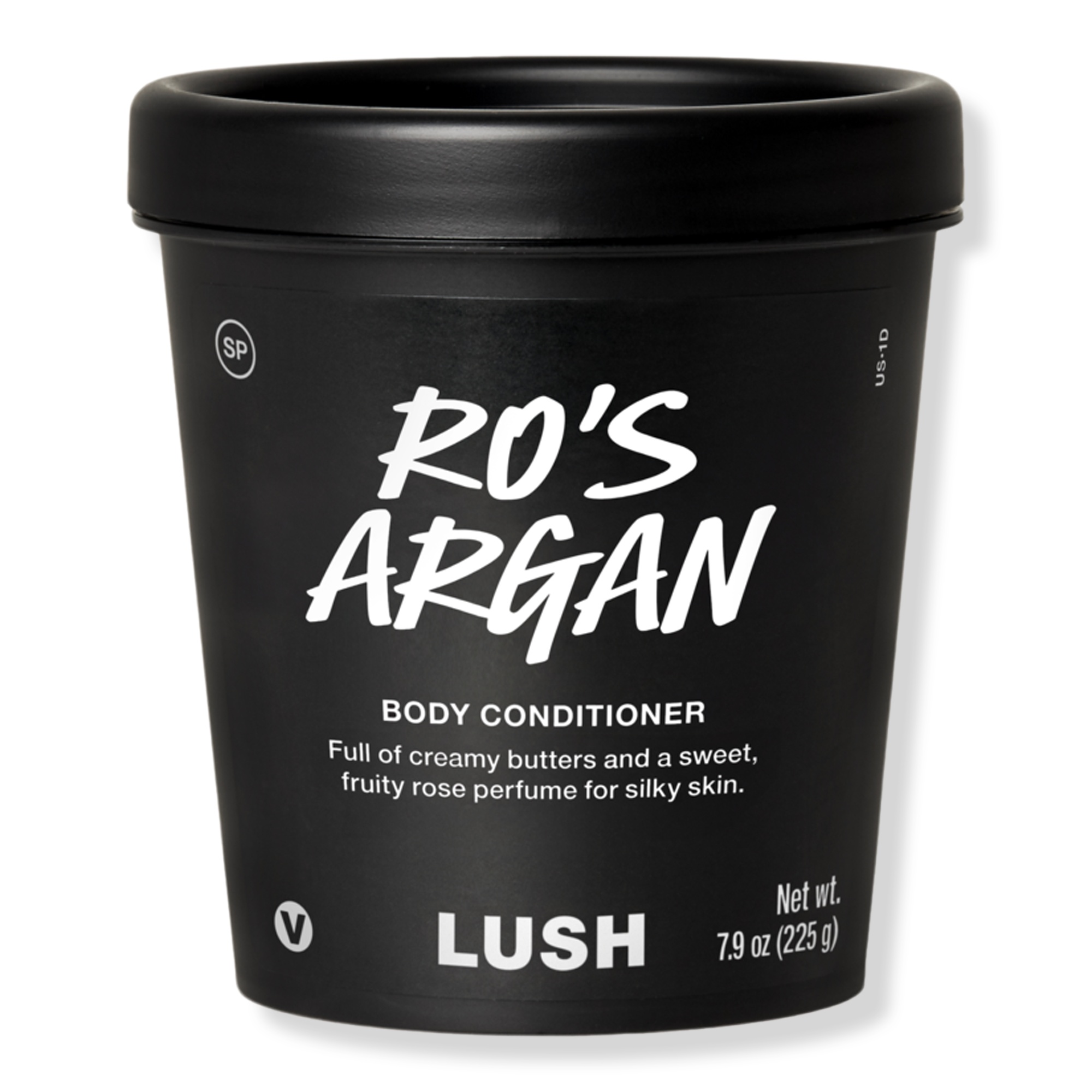


Lush Dream Cream Hand and Body Lotion - 8.4oz
Analysis updated August 2026 · How Scout scores
At a glance
Summary
This body lotion contains several beneficial ingredients such as organic extra virgin olive oil, cocoa butter, and chamomile blue oil, which are known for their moisturizing and soothing properties. However, the presence of triethanolamine and parabens, which are associated with potential skin irritation and endocrine disruption, lowers its safety profile. Additionally, the inclusion of synthetic fragrance compounds further impacts the overall ingredient safety, resulting in a moderate processing level.
Key ingredients 21
Organic Extra Virgin Olive OilVery Good
Olive oil is rich in antioxidants and healthy fats, which can nourish and hydrate the skin. It is known for its emollient properties that help to restore the skin barrier.
Risks
May cause breakouts in acne-prone skin due to its occlusive nature.
Benefits
Provides deep hydration and helps to improve skin elasticity and smoothness.
Fair Trade Organic Cocoa ButterVery Good
Cocoa butter is a rich emollient that deeply moisturizes and nourishes the skin. It contains fatty acids that help to improve skin elasticity.
Risks
May clog pores in some individuals with acne-prone skin.
Benefits
Provides long-lasting hydration and helps to smooth and soften the skin.
Oat MilkGood
Oat milk is known for its soothing properties and is often used to calm irritated skin. It contains beta-glucans which can help to moisturize and protect the skin barrier.
Risks
There is a minimal risk of allergic reactions in individuals sensitive to oats.
Benefits
Oat milk can help reduce skin redness and irritation, making it beneficial for sensitive skin.
Rose WaterGood
Rose water is a natural astringent that helps to tone and soothe the skin. It has anti-inflammatory properties that can reduce redness and irritation.
Risks
Rarely, it may cause irritation in individuals with rose allergies.
Benefits
Helps to maintain the skin's pH balance and provides a refreshing and calming effect.
GlycerineGood
Glycerine is a powerful humectant that attracts moisture to the skin, keeping it hydrated. It is non-irritating and suitable for all skin types.
Risks
Generally considered safe with minimal risk of irritation.
Benefits
Helps to maintain skin hydration and improve skin barrier function.
Rose AbsoluteGood
Rose absolute is a fragrant oil with soothing and anti-inflammatory properties. It is often used for its calming scent and skin benefits.
Risks
May cause allergic reactions in sensitive individuals.
Benefits
Provides a pleasant aroma and can help to soothe and calm irritated skin.
Chamomile Blue OilGood
Chamomile blue oil is known for its anti-inflammatory and calming properties. It is effective in reducing redness and soothing sensitive skin.
Risks
Rarely, it may cause allergic reactions in individuals sensitive to chamomile.
Benefits
Helps to calm and soothe irritated skin, reducing redness and inflammation.
Tea Tree OilGood
Tea tree oil is a natural antiseptic with antimicrobial properties. It is effective in treating acne and other skin infections.
Risks
Can cause irritation or allergic reactions in some individuals, especially if used in high concentrations.
Benefits
Helps to reduce acne and skin infections due to its antimicrobial properties.
Lavender OilGood
Lavender oil is known for its calming and soothing properties. It can help to reduce stress and promote relaxation.
Risks
May cause skin irritation or allergic reactions in sensitive individuals.
Benefits
Provides a calming effect and can help to soothe irritated skin.
Stearic AcidNeutral
Stearic acid is a fatty acid used as an emulsifier and thickener in cosmetics. It helps to stabilize formulations and improve texture.
Risks
Generally considered safe with low risk of irritation.
Benefits
Contributes to the creamy texture of lotions and helps to maintain product stability.
Cetearyl AlcoholNeutral
Cetearyl alcohol is a fatty alcohol used as an emollient and emulsifier in cosmetics. It helps to improve the texture and stability of formulations.
Risks
Generally considered safe with low risk of irritation.
Benefits
Contributes to the smooth texture of lotions and helps to stabilize emulsions.
Benzyl BenzoateNeutral
Benzyl benzoate is used as a fragrance ingredient and solvent in cosmetics. It helps to dissolve other ingredients and enhance fragrance.
Risks
May cause skin irritation or allergic reactions in sensitive individuals.
Benefits
Enhances fragrance and helps to dissolve other cosmetic ingredients.
CitronellolNeutral
Citronellol is a fragrance ingredient with a floral scent. It is commonly used in perfumes and cosmetics for its pleasant aroma.
Risks
Can cause skin irritation or allergic reactions in sensitive individuals.
Benefits
Provides a pleasant floral scent to cosmetic products.
GeraniolNeutral
Geraniol is a fragrance ingredient with a rose-like scent. It is used in cosmetics for its aromatic properties.
Risks
May cause skin irritation or allergic reactions in sensitive individuals.
Benefits
Adds a pleasant rose-like fragrance to cosmetic products.
TriethanolamineBad
Triethanolamine is used to adjust pH and stabilize emulsions in cosmetics. However, it can cause skin irritation and has potential contamination concerns with nitrosamines.
Risks
May cause skin irritation and has potential carcinogenic concerns if contaminated with nitrosamines.
Benefits
Helps to maintain the stability and consistency of cosmetic formulations.
Benzyl AlcoholBad
Processed additive flagged under Scout's ingredient doctrine.
Risks
Can cause skin irritation or allergic reactions in some individuals.
Benefits
Helps to preserve the product and prevent microbial contamination.
LimoneneBad
Processed additive flagged under Scout's ingredient doctrine.
Risks
Can cause skin irritation or allergic reactions in sensitive individuals.
Benefits
Provides a refreshing citrus scent to cosmetic products.
LinaloolBad
Processed additive flagged under Scout's ingredient doctrine.
Risks
May cause skin irritation or allergic reactions in sensitive individuals.
Benefits
Adds a pleasant floral fragrance to cosmetic products.
PerfumeBad
Perfume is a generic term for fragrance compounds used to add scent to cosmetics. It can contain a mixture of synthetic and natural ingredients.
Risks
May cause skin irritation or allergic reactions, especially in sensitive individuals.
Benefits
Provides a pleasant scent to cosmetic products.
MethylparabenVery Bad
Methylparaben is a preservative used to prevent microbial growth in cosmetics. However, it has been associated with potential endocrine disruption.
Risks
May cause skin irritation and has potential endocrine-disrupting effects.
Benefits
Helps to preserve the product and prevent microbial contamination.
PropylparabenVery Bad
Propylparaben is a preservative used to extend the shelf life of cosmetics. It has been linked to potential endocrine disruption and skin irritation.
Risks
May cause skin irritation and has potential endocrine-disrupting effects.
Benefits
Helps to preserve the product and prevent microbial contamination.
Get the full breakdown in the Scout appTake Scout shopping
Scan any product to see lab results, healthy alternatives, and your personalized analysis.
Download on theApp Store GET IT ONGoogle Play