


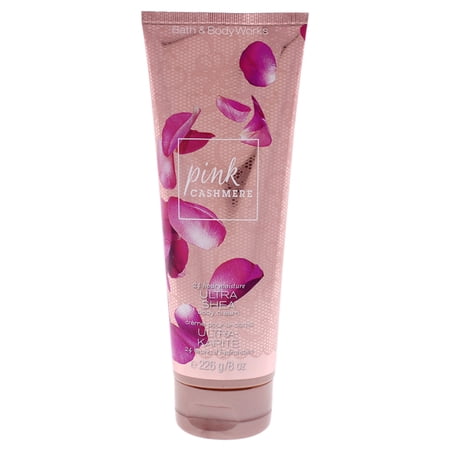
Trish McEvoy No. 9 Blackberry And Vanilla Musk Super Enriched Body Cream
Analysis updated July 2026 · How Scout scores
At a glance
Summary
This body cream contains a mix of beneficial natural ingredients like jojoba seed oil, shea butter, and cocoa seed butter, which are known for their moisturizing properties. However, the presence of synthetic fragrance and colorants, such as Yellow 5 and Yellow 6, along with phenoxyethanol, a common preservative, detracts from its overall safety profile. The inclusion of these synthetic components and the level of processing involved prevent it from achieving a higher score.
Key ingredients 43
Simmondsia Chinensis (Jojoba) Seed OilVery Good
Jojoba oil is a natural oil that closely resembles the skin's sebum, making it an excellent moisturizer. It is rich in vitamins and minerals that nourish the skin.
Risks
There are minimal risks associated with jojoba oil when used in cosmetics.
Benefits
Jojoba oil provides deep hydration and helps balance oil production in the skin.
Butyrospermum Parkii (Shea) ButterVery Good
Shea butter is a natural fat extracted from the nuts of the shea tree. It is known for its moisturizing and anti-inflammatory properties.
Risks
There are minimal risks associated with shea butter when used in cosmetics.
Benefits
Shea butter deeply moisturizes the skin and helps soothe irritation.
Cocos Nucifera (Coconut) OilVery Good
Coconut oil is a natural emollient that provides deep hydration and nourishment to the skin. It is rich in fatty acids that help improve skin barrier function.
Risks
There are minimal risks associated with coconut oil when used in cosmetics.
Benefits
Coconut oil deeply moisturizes the skin and helps improve skin texture.
Theobroma Cacao (Cocoa) Seed ButterVery Good
Cocoa butter is a natural fat extracted from cocoa beans. It is known for its moisturizing and skin-soothing properties.
Risks
There are minimal risks associated with cocoa butter when used in cosmetics.
Benefits
Cocoa butter provides deep hydration and helps improve skin elasticity.
Prunus Amygdalus Dulcis (Sweet Almond) OilVery Good
Sweet almond oil is a natural emollient that provides deep hydration and nourishment to the skin. It is rich in vitamins and fatty acids that support skin health.
Risks
There are minimal risks associated with sweet almond oil when used in cosmetics.
Benefits
Sweet almond oil helps improve skin texture and provides soothing benefits.
Prunus Armeniaca (Apricot) Kernel OilVery Good
Apricot kernel oil is a natural emollient that provides deep hydration and nourishment to the skin. It is rich in vitamins and fatty acids that support skin health.
Risks
There are minimal risks associated with apricot kernel oil when used in cosmetics.
Benefits
Apricot kernel oil helps improve skin texture and provides soothing benefits.
BakuchiolVery Good
Bakuchiol is a natural alternative to retinol that provides anti-aging benefits without the irritation. It helps improve skin texture and reduce the appearance of fine lines.
Risks
There are minimal risks associated with bakuchiol when used in cosmetics.
Benefits
Bakuchiol provides anti-aging benefits and helps improve skin texture.
Borago Officinalis Seed OilVery Good
Borage seed oil is rich in gamma-linolenic acid, which helps improve skin barrier function and reduce inflammation. It is known for its soothing and moisturizing properties.
Risks
There are minimal risks associated with borage seed oil when used in cosmetics.
Benefits
Borage seed oil helps soothe irritated skin and provides deep hydration.
Gossypium Herbaceum (Cotton) Seed OilVery Good
Cotton seed oil is a natural emollient that provides deep hydration and nourishment to the skin. It is rich in fatty acids that support skin health.
Risks
There are minimal risks associated with cotton seed oil when used in cosmetics.
Benefits
Cotton seed oil helps improve skin texture and provides soothing benefits.
Oenothera Biennis (Evening Primrose) OilVery Good
Evening primrose oil is rich in gamma-linolenic acid, which helps improve skin barrier function and reduce inflammation. It is known for its soothing and moisturizing properties.
Risks
There are minimal risks associated with evening primrose oil when used in cosmetics.
Benefits
Evening primrose oil helps soothe irritated skin and provides deep hydration.
Rosa Canina Fruit OilVery Good
Rosehip oil is rich in vitamins and essential fatty acids that help improve skin texture and reduce the appearance of scars. It is known for its regenerative and moisturizing properties.
Risks
There are minimal risks associated with rosehip oil when used in cosmetics.
Benefits
Rosehip oil helps improve skin texture and provides anti-aging benefits.
Linum Usitatissimum (Linseed) Seed OilVery Good
Linseed oil is rich in omega-3 fatty acids, which help improve skin barrier function and reduce inflammation. It is known for its soothing and moisturizing properties.
Risks
There are minimal risks associated with linseed oil when used in cosmetics.
Benefits
Linseed oil helps soothe irritated skin and provides deep hydration.
Hippophae Rhamnoides OilVery Good
Sea buckthorn oil is rich in vitamins and antioxidants that help protect the skin from free radical damage. It is known for its regenerative and moisturizing properties.
Risks
There are minimal risks associated with sea buckthorn oil when used in cosmetics.
Benefits
Sea buckthorn oil helps improve skin texture and provides anti-aging benefits.
Algae (Alaria Esculents) ExtractVery Good
Algae extract is rich in vitamins and minerals that help nourish and hydrate the skin. It is known for its anti-aging and skin-soothing properties.
Risks
There are minimal risks associated with algae extract when used in cosmetics.
Benefits
Algae extract helps improve skin texture and provides anti-aging benefits.
Brassica Campestris (Rapeseed) Seed OilVery Good
Rapeseed oil is a natural emollient that provides deep hydration and nourishment to the skin. It is rich in fatty acids that support skin health.
Risks
There are minimal risks associated with rapeseed oil when used in cosmetics.
Benefits
Rapeseed oil helps improve skin texture and provides soothing benefits.
Rosmarinus Officinalis (Rosemary) Leaf ExtractVery Good
Rosemary extract is rich in antioxidants that help protect the skin from free radical damage. It is known for its anti-inflammatory and skin-soothing properties.
Risks
There are minimal risks associated with rosemary extract when used in cosmetics.
Benefits
Rosemary extract helps improve skin texture and provides anti-aging benefits.
TocopherolVery Good
Tocopherol, or vitamin E, is a powerful antioxidant that helps protect the skin from free radical damage. It is known for its moisturizing and skin-soothing properties.
Risks
There are minimal risks associated with tocopherol when used in cosmetics.
Benefits
Tocopherol helps improve skin texture and provides anti-aging benefits.
Helianthus Annuus (Sunflower) Seed OilVery Good
Sunflower seed oil is a natural emollient that provides deep hydration and nourishment to the skin. It is rich in vitamins and fatty acids that support skin health.
Risks
There are minimal risks associated with sunflower seed oil when used in cosmetics.
Benefits
Sunflower seed oil helps improve skin texture and provides soothing benefits.
GlycerinGood
Glycerin is a humectant that attracts moisture to the skin, helping to keep it hydrated. It is widely used in skincare for its moisturizing properties.
Risks
There are minimal risks associated with glycerin when used in cosmetics.
Benefits
Glycerin helps maintain skin hydration and improves skin barrier function.
Tocopheryl AcetateGood
Tocopheryl acetate is a form of vitamin E that acts as an antioxidant. It helps protect the skin from free radical damage and supports skin health.
Risks
There are minimal risks associated with tocopheryl acetate when used in cosmetics.
Benefits
It provides antioxidant benefits and helps maintain healthy skin.
Aqua/Water/EauNeutral
Water is a common solvent used in cosmetics to dissolve other ingredients. It helps in the application and absorption of the product.
Risks
There are no significant risks associated with water in cosmetics.
Benefits
Water helps in hydrating the skin and acts as a carrier for other beneficial ingredients.
Dicaprylyl EtherNeutral
Dicaprylyl Ether is an emollient that provides a lightweight feel and helps improve the spreadability of the product. It is used to enhance the texture of formulations.
Risks
There are no significant risks associated with dicaprylyl ether in cosmetics.
Benefits
It provides a smooth application and enhances the sensory feel of the product.
Cetearyl AlcoholNeutral
Cetearyl alcohol is a fatty alcohol used as an emollient and thickener in cosmetics. It helps stabilize formulations and improve texture.
Risks
There are no significant risks associated with cetearyl alcohol in cosmetics.
Benefits
It provides a creamy texture and helps soften the skin.
Hydrogenated Palm Kernel GlyceridesNeutral
Hydrogenated palm kernel glycerides are used as emollients and thickeners in cosmetic formulations. They help improve the texture and stability of products.
Risks
There are no significant risks associated with hydrogenated palm kernel glycerides in cosmetics.
Benefits
They provide a smooth texture and enhance the moisturizing properties of the product.
Glyceryl StearateNeutral
Glyceryl stearate is an emulsifier that helps blend oil and water components in formulations. It also acts as a lubricant on the skin's surface.
Risks
There are no significant risks associated with glyceryl stearate in cosmetics.
Benefits
It helps maintain product stability and provides a smooth application.
Steareth-100Neutral
Steareth-100 is an emulsifier used to stabilize formulations and improve texture. It helps blend oil and water components effectively.
Risks
There are no significant risks associated with steareth-100 in cosmetics.
Benefits
It enhances the stability and texture of the product.
Cetearyl GlucosideNeutral
Cetearyl glucoside is an emulsifier derived from natural sources. It helps blend oil and water components in formulations.
Risks
There are no significant risks associated with cetearyl glucoside in cosmetics.
Benefits
It enhances the stability and texture of the product.
EthylhexylglycerinNeutral
Ethylhexylglycerin is a conditioning agent and preservative enhancer. It helps improve the efficacy of preservatives in formulations.
Risks
There are minimal risks associated with ethylhexylglycerin when used in cosmetics.
Benefits
It enhances the preservation of the product and provides skin conditioning benefits.
Sodium PolyacrylateNeutral
Sodium polyacrylate is a thickening agent used to improve the texture and stability of formulations. It helps create a smooth and creamy consistency.
Risks
There are no significant risks associated with sodium polyacrylate in cosmetics.
Benefits
It provides a desirable texture and enhances the stability of the product.
Hydrogenated Palm GlyceridesNeutral
Hydrogenated palm glycerides are used as emollients and thickeners in cosmetic formulations. They help improve the texture and stability of products.
Risks
There are no significant risks associated with hydrogenated palm glycerides in cosmetics.
Benefits
They provide a smooth texture and enhance the moisturizing properties of the product.
Xanthan GumNeutral
Xanthan gum is a natural thickening agent used to stabilize formulations. It helps improve the texture and consistency of products.
Risks
There are no significant risks associated with xanthan gum in cosmetics.
Benefits
It provides a smooth texture and enhances the stability of the product.
Citric AcidNeutral
Citric acid is used to adjust the pH of formulations and acts as a mild exfoliant. It helps improve the stability and efficacy of products.
Risks
There are minimal risks associated with citric acid when used in cosmetics.
Benefits
It helps maintain product stability and provides mild exfoliation benefits.
Yellow 6 (CI 15985)Neutral
Yellow 6 is a synthetic dye used to impart color to cosmetic products. It is commonly used in various formulations for aesthetic purposes.
Risks
There are minimal risks associated with Yellow 6 when used in cosmetics.
Benefits
It provides vibrant color to the product, enhancing its visual appeal.
Caprylic/capric TriglycerideNeutral
Caprylic/capric triglyceride is an emollient derived from coconut oil and glycerin. It helps improve the spreadability and texture of formulations.
Risks
There are no significant risks associated with caprylic/capric triglyceride in cosmetics.
Benefits
It provides a lightweight feel and enhances the moisturizing properties of the product.
GeraniolNeutral
Geraniol is a naturally occurring monoterpenoid and alcohol found in essential oils. It is used for its fragrance and potential antimicrobial properties.
Risks
Geraniol can cause allergic reactions in sensitive individuals.
Benefits
It provides a pleasant fragrance and may have antimicrobial properties.
Cinnamyl AlcoholNeutral
Cinnamyl alcohol is a naturally occurring fragrance compound found in cinnamon and balsam. It is used for its warm, spicy scent.
Risks
Cinnamyl alcohol can cause allergic reactions in sensitive individuals.
Benefits
It provides a warm, spicy fragrance to the product.
DimethiconeBad
Occlusive silicone film-former — flagged under clean-beauty doctrine.
Risks
There are minimal risks associated with dimethicone when used in cosmetics.
Benefits
It provides a silky feel and helps prevent moisture loss from the skin.
GlucoseBad
Processed additive flagged under Scout's ingredient doctrine.
Risks
There are no significant risks associated with glucose in cosmetics.
Benefits
It helps maintain skin hydration and provides a smooth texture.
Disodium EDTABad
Processed additive flagged under Scout's ingredient doctrine.
Risks
There are minimal risks associated with disodium EDTA when used in cosmetics.
Benefits
It enhances product stability and helps maintain the efficacy of active ingredients.
PhenoxyethanolBad
Processed additive flagged under Scout's ingredient doctrine.
Risks
There are minimal risks associated with phenoxyethanol when used in cosmetics.
Benefits
It provides effective preservation and helps maintain product safety.
LinaloolBad
Processed additive flagged under Scout's ingredient doctrine.
Risks
Linalool can cause allergic reactions in sensitive individuals.
Benefits
It provides a pleasant fragrance and may have calming properties.
Fragrance (Parfum)Very Bad
Fragrance is often a mixture of various chemicals that can cause skin irritation and allergic reactions. It is a common allergen in cosmetic products.
Risks
Potential risks include skin irritation, allergic reactions, and respiratory issues.
Benefits
Fragrance can enhance the sensory experience of using the product.
Yellow 5 (CI 19140)Very Bad
Heavily flagged ingredient class under Scout's doctrine.
Risks
There are minimal risks associated with Yellow 5 when used in cosmetics.
Benefits
It provides vibrant color to the product, enhancing its visual appeal.
Get the full breakdown in the Scout appTake Scout shopping
Scan any product to see lab results, healthy alternatives, and your personalized analysis.
Download on theApp Store GET IT ONGoogle PlayAmazon pricing & content
Amazon price as of . Product prices and availability are accurate as of the date/time indicated and are subject to change. Any price and availability information displayed on Amazon.com at the time of purchase will apply to the purchase of this product.
CERTAIN CONTENT THAT APPEARS ON THIS SITE COMES FROM AMAZON. THIS CONTENT IS PROVIDED “AS IS” AND IS SUBJECT TO CHANGE OR REMOVAL AT ANY TIME.