
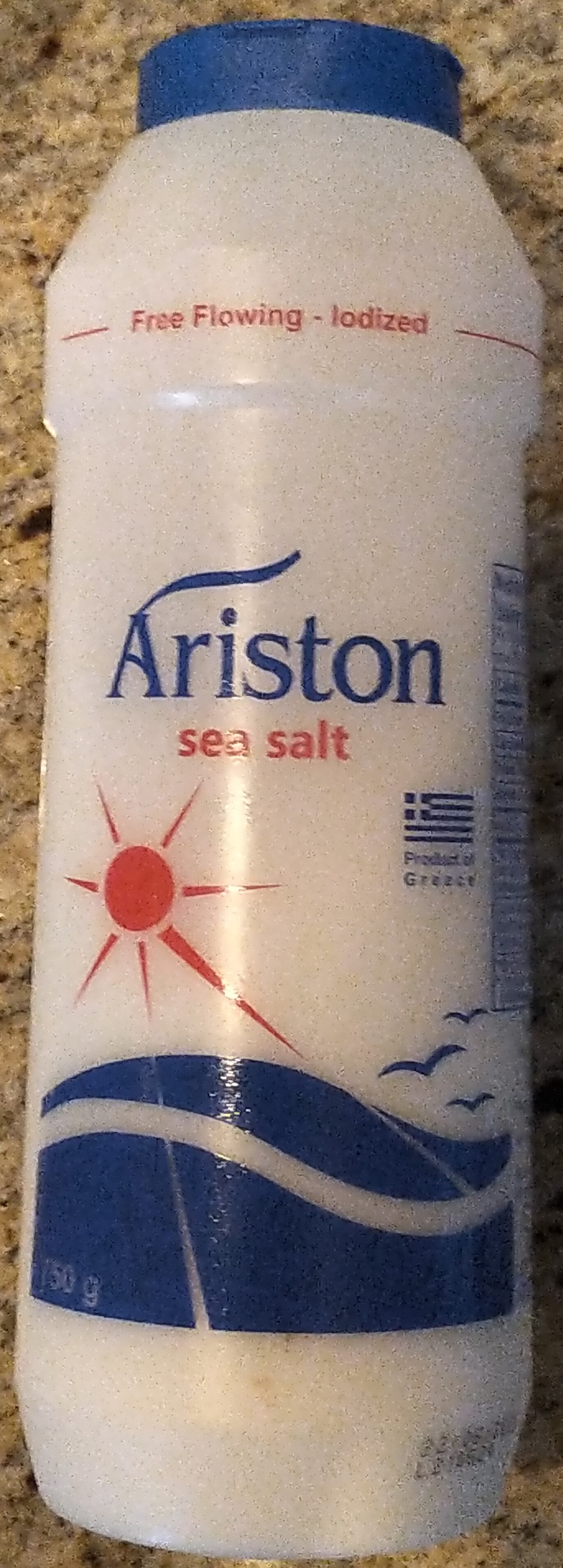


Ariston Sea Salt
Analysis updated June 2026 · How Scout scores
At a glance
Summary
This sea salt product is a processed culinary ingredient with added potassium iodide for iodine supplementation, which is beneficial for thyroid health. The presence of magnesium carbonate as an anti-caking agent is common in salt products, but it slightly increases the processing level. Overall, it maintains a clean label with minimal additives, making it a relatively healthy choice within its category.
Key ingredients 4
Sea saltGood
Unrefined sea salt — a minimally processed, natural source of sodium and essential trace minerals, and a legitimate whole-food seasoning. Treated as a positive ingredient.
Risks
Excessive consumption of sea salt can lead to high blood pressure and related cardiovascular issues.
Benefits
Sea salt provides trace minerals such as magnesium and calcium, which can be beneficial in small amounts.
Magnesium carbonateGood
Beneficial ingredient — whole-food or functional value in this product class.
See more about Magnesium carbonate →Potassium iodideNeutral
Potassium iodide is added to salt to prevent iodine deficiency, which can lead to thyroid problems. It is a common fortification in table salt to ensure adequate iodine intake. The amount used is typically small and regulated to prevent excess intake.
Risks
Excessive intake of iodine can lead to thyroid dysfunction, but this is rare with normal dietary consumption.
Benefits
Helps prevent iodine deficiency, which is essential for proper thyroid function and overall metabolic health.
Sodium thiosulphateNeutral
Sodium thiosulphate is used as an anti-caking agent in salt to prevent clumping. It is generally recognized as safe in the small amounts used in food products. Its primary role is to maintain the free-flowing nature of salt.
Processing
Processed Culinary Ingredients
Get the full breakdown in the Scout appTake Scout shopping
Scan any product to see lab results, healthy alternatives, and your personalized analysis.
Download on theApp Store GET IT ONGoogle PlayAmazon pricing & content
Amazon price as of . Product prices and availability are accurate as of the date/time indicated and are subject to change. Any price and availability information displayed on Amazon.com at the time of purchase will apply to the purchase of this product.
CERTAIN CONTENT THAT APPEARS ON THIS SITE COMES FROM AMAZON. THIS CONTENT IS PROVIDED “AS IS” AND IS SUBJECT TO CHANGE OR REMOVAL AT ANY TIME.