


At a glance
Summary
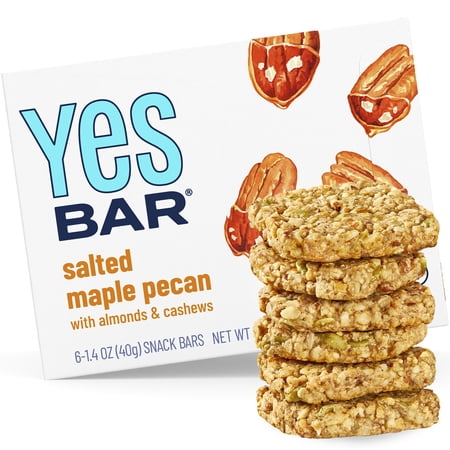
This date bar features a clean ingredient list with natural components like date paste, almonds, and cashews, which provide beneficial nutrients and healthy fats. However, the presence of sunflower oil, a seed oil high in omega-6 fatty acids, detracts from its overall healthiness. Despite being processed, the bar avoids artificial additives and excessive sugars, maintaining a relatively healthy profile within its category.
Key ingredients 8
Date pasteGood
Date paste is a natural sweetener derived from whole dates, providing fiber and essential nutrients. It is minimally processed, retaining most of the fruit's original nutrients. Compared to refined sugars, it offers a healthier alternative with additional vitamins and minerals.
Risks
Excessive consumption may contribute to high sugar intake, impacting blood sugar levels.
Benefits
Rich in natural sugars, fiber, and essential nutrients like potassium and magnesium, supporting digestive health and energy levels.
AlmondsGood
Almonds are a nutrient-dense nut rich in healthy fats, protein, and fiber. They are minimally processed and provide essential vitamins and minerals such as vitamin E and magnesium. Their consumption is associated with improved heart health and weight management.
Risks
Potential allergen for individuals with nut allergies.
Benefits
High in monounsaturated fats and antioxidants, almonds support heart health and provide anti-inflammatory benefits.
CashewsGood
Cashews are a good source of healthy fats, protein, and essential minerals like magnesium and zinc. They are typically consumed in their natural form, preserving their nutritional value. Cashews can contribute to improved heart health and bone strength.
Risks
Potential allergen for individuals with nut allergies.
Benefits
Rich in healthy fats and minerals, cashews support cardiovascular health and provide essential nutrients for bone health.
Cashew butterGood
Cashew butter is made from ground cashews, offering a creamy texture and rich nutrient profile. It retains the beneficial fats and minerals found in whole cashews. As a natural nut butter, it is a healthier alternative to processed spreads.
Risks
Potential allergen for individuals with nut allergies.
Benefits
Provides healthy fats and protein, supporting heart health and offering a nutritious energy source.
Lemon juice concentrateNeutral
Lemon juice concentrate is used for its tart flavor and vitamin C content. It is a processed form of lemon juice, which may lose some nutrients during concentration. While it adds flavor, it does not significantly impact the nutritional profile of the product.
Benefits
Provides a source of vitamin C and enhances flavor without adding significant calories.
Lemon powderNeutral
Lemon powder is a dehydrated form of lemon juice, used for flavoring. It is processed to remove moisture, which may reduce some nutrient content. While it adds a citrus flavor, it does not contribute significantly to the nutritional value.
Benefits
Enhances flavor with minimal caloric impact, providing a natural citrus taste.
Lemon oilNeutral
Lemon oil is extracted from lemon peels and used for its aromatic properties. It is a natural flavoring agent with minimal nutritional impact. While it enhances aroma and taste, it does not provide significant health benefits.
Benefits
Adds natural flavor and aroma without contributing calories or significant nutrients.
Sunflower oilVery Bad
Sunflower oil is a seed oil high in omega-6 fatty acids, which can promote inflammation when consumed in excess. It is often extracted using high-heat processes that may degrade its nutritional quality. Compared to healthier oils like olive or avocado oil, it is less beneficial for health.
Risks
High omega-6 content may promote inflammation and negatively impact heart health when consumed in large amounts.
Processing
Processed Foods
Get the full breakdown in the Scout appTake Scout shopping
Scan any product to see lab results, healthy alternatives, and your personalized analysis.
Download on theApp Store GET IT ONGoogle Play