


At a glance
Summary
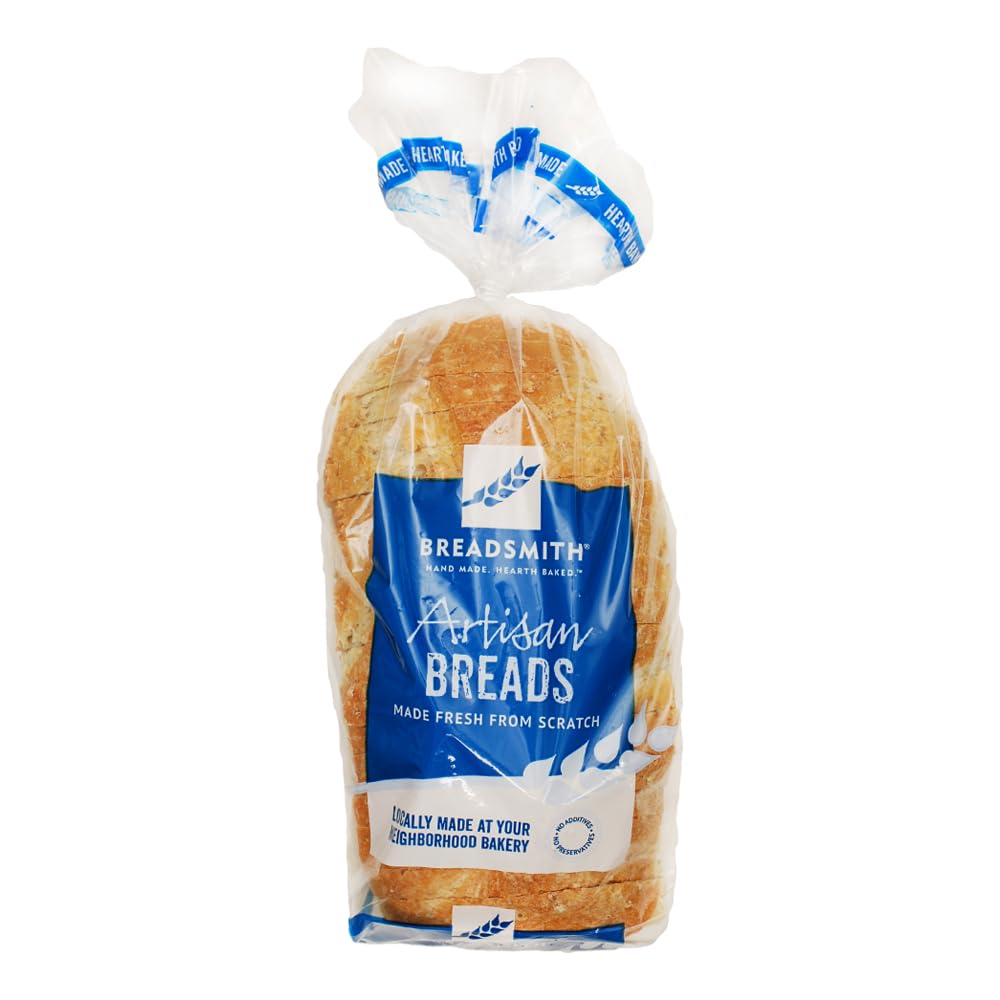
This bread is made from simple, recognizable ingredients such as unbleached wheat flour, water, cracked wheat, salt, and yeast, which contribute to its relatively clean label. The absence of harmful additives like seed oils, artificial colors, or preservatives is a positive aspect. However, as a processed food, its score is capped due to the level of processing involved.
Key ingredients 5
Unbleached unbromated wheat flourNeutral
Unbleached unbromated wheat flour is a common base for bread, providing structure and texture. It is less processed than bleached flour, retaining more natural nutrients. However, it lacks the nutritional density of whole grain flours.
Risks
Potential gluten sensitivity or allergy concerns for some individuals.
Benefits
Provides carbohydrates for energy and some protein, though not as nutrient-rich as whole grain options.
WaterNeutral
Water is a fundamental ingredient in bread making, hydrating the flour and activating the yeast. It is essential for dough formation and texture. Water itself does not provide nutritional value.
See more about Water →Cracked wheatNeutral
Cracked wheat adds texture and a slight increase in fiber content to the bread. It is a less processed form of wheat, retaining more of the grain's natural nutrients. However, it is not as nutrient-dense as whole wheat flour.
Risks
May pose gluten sensitivity or allergy concerns for some individuals.
Benefits
Contributes to dietary fiber intake, supporting digestive health.
SaltNeutral
Salt is used to enhance flavor and control yeast activity in bread. It is a necessary component for proper dough development. Excessive consumption can lead to health issues such as hypertension.
Risks
High sodium intake may contribute to hypertension and cardiovascular issues.
Benefits
Enhances flavor and helps regulate yeast fermentation in bread making.
YeastNeutral
Yeast is a crucial leavening agent in bread, responsible for fermentation and dough rising. It contributes to the bread's texture and flavor. Yeast itself does not provide significant nutritional benefits.
Benefits
Facilitates dough rising and contributes to the bread's texture and flavor.
Processing
Processed Foods
Get the full breakdown in the Scout appTake Scout shopping
Scan any product to see lab results, healthy alternatives, and your personalized analysis.
Download on theApp Store GET IT ONGoogle Play