
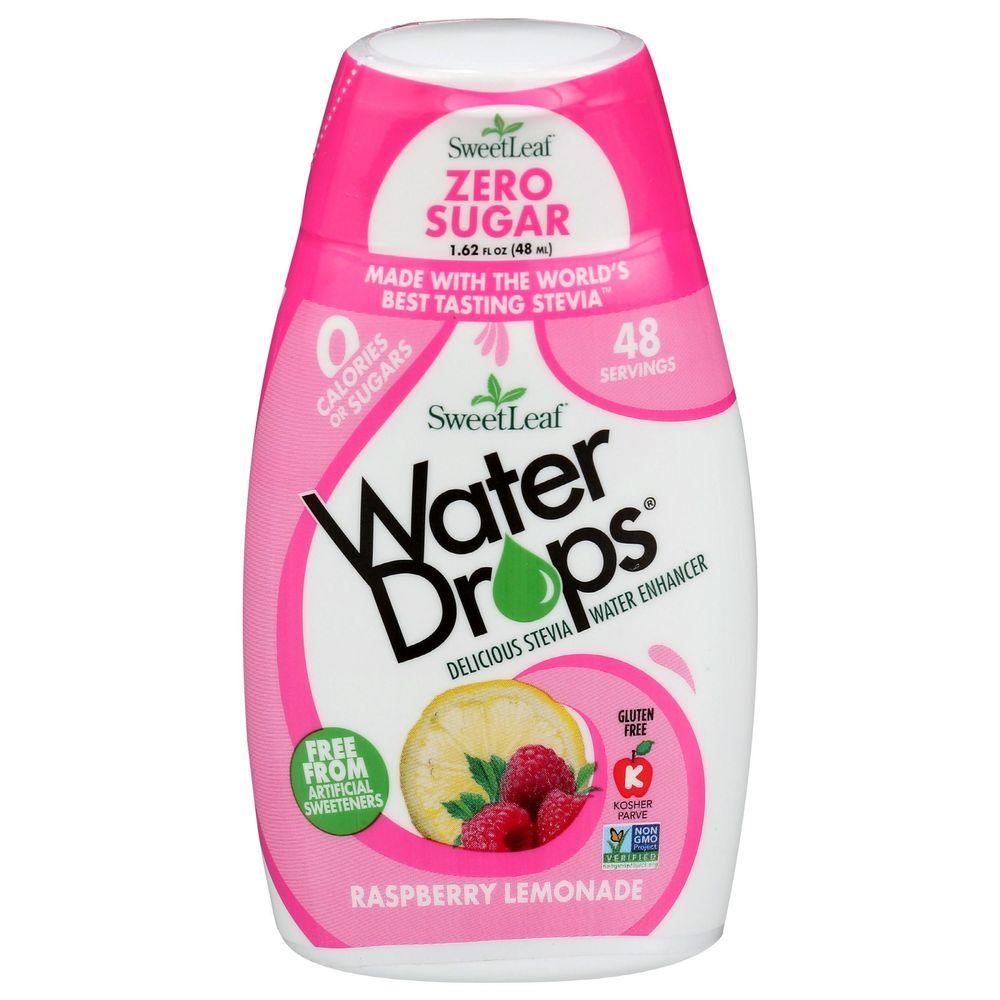

Sweet Leaf Water Drops - Raspberry Lemonade (1.62 oz) Squeezable Bottle - Liquid Water Enhancer
Analysis updated August 2026 · How Scout scores
At a glance
Summary
This liquid water enhancer uses natural sweeteners like monk fruit and stevia, which are preferable to artificial sweeteners. However, the presence of 'natural flavors' raises concerns due to the lack of transparency about their specific composition. The product is also moderately processed, with several additives, which slightly impacts its overall score.
Key ingredients 7
Monk Fruit ExtractGood
Beneficial ingredient — whole-food or functional value in this product class.
Benefits
Provides sweetness without calories, making it suitable for low-calorie diets.
GlycerinNeutral
Glycerin is a sugar alcohol used as a sweetener and humectant. It is generally recognized as safe and has no significant health concerns. It is often used in food products to maintain moisture.
Benefits
Glycerin can help retain moisture in products, improving texture and shelf life.
Citric AcidNeutral
Citric acid is a natural acid found in citrus fruits, used as a preservative and flavor enhancer. It is widely used in the food industry and is generally considered safe. It can help balance acidity and enhance flavor in food products.
Risks
Excessive consumption may cause dental erosion or gastrointestinal discomfort.
Benefits
Acts as a natural preservative and can enhance the flavor profile of foods.
Malic AcidNeutral
Malic acid is an organic compound found in fruits, used to enhance flavor and acidity. It is generally recognized as safe and is commonly used in food products. It contributes to the sour taste in foods and beverages.
Risks
High doses may cause digestive discomfort.
Benefits
Enhances flavor and can improve the taste profile of food products.
Stevia Leaf ExtractNeutral
Stevia leaf extract is a natural sweetener derived from the stevia plant, known for its zero-calorie sweetness. It is widely used as a sugar alternative and is considered safe. It does not affect blood glucose levels, making it suitable for diabetics.
Benefits
Offers a natural, calorie-free sweetening option.
Sodium CitrateNeutral
Sodium citrate is a salt of citric acid used as a preservative and acidity regulator. It is commonly used in food and beverages to control acidity and enhance flavor. It is generally recognized as safe and helps maintain product stability.
Risks
Excessive intake may lead to an imbalance in electrolytes.
Benefits
Helps maintain acidity and stability in food products.
Natural FlavorsBad
Natural flavors are a catch-all term for flavoring agents derived from natural sources but can be highly processed. They lack transparency and may contain additives or solvents. The lack of specific ingredient disclosure is a concern for consumers seeking clean labels.
Risks
Potential allergens or additives may be present without clear labeling.
Processing
Ultra-Processed Foods
Get the full breakdown in the Scout appTake Scout shopping
Scan any product to see lab results, healthy alternatives, and your personalized analysis.
Download on theApp Store GET IT ONGoogle Play