



At a glance
Summary
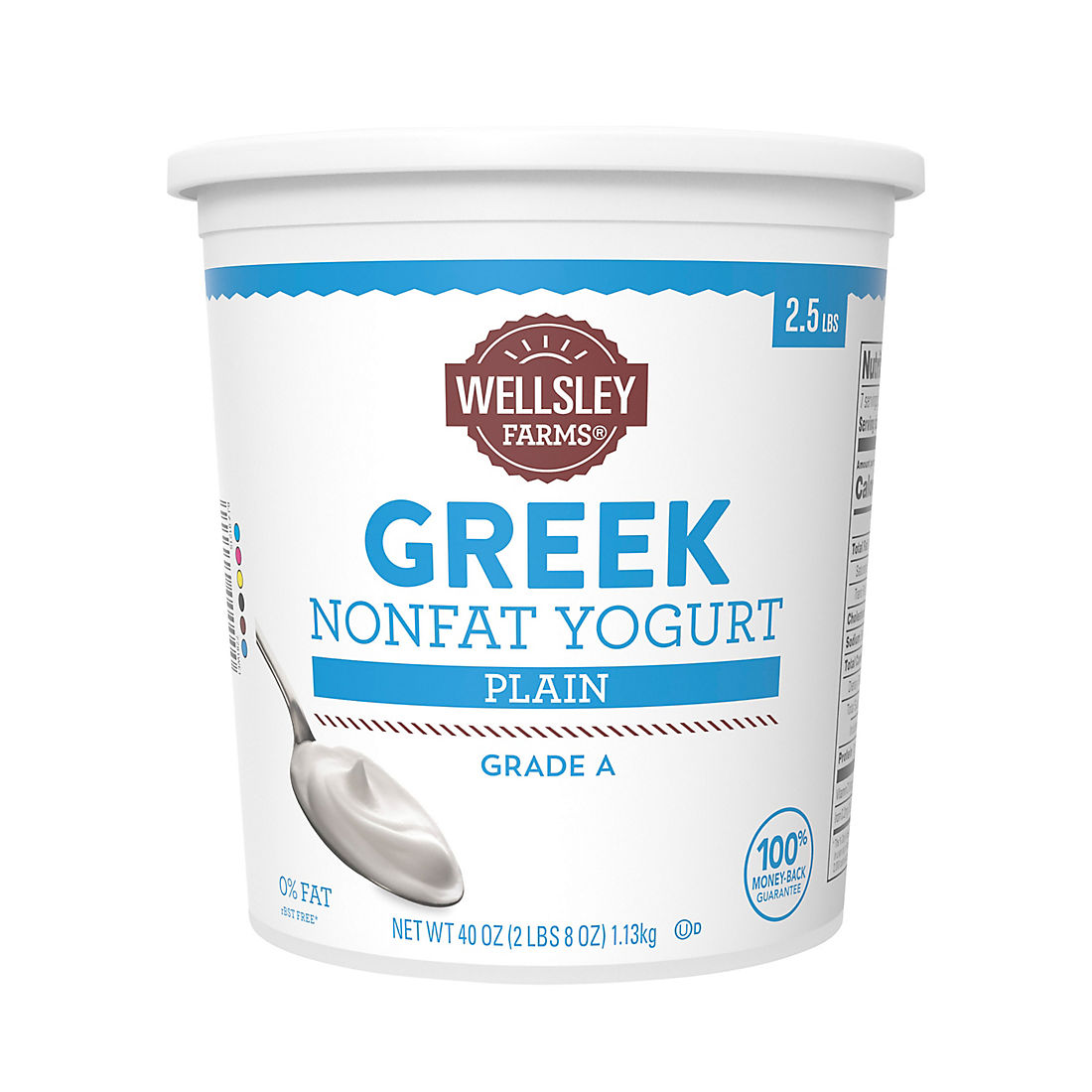
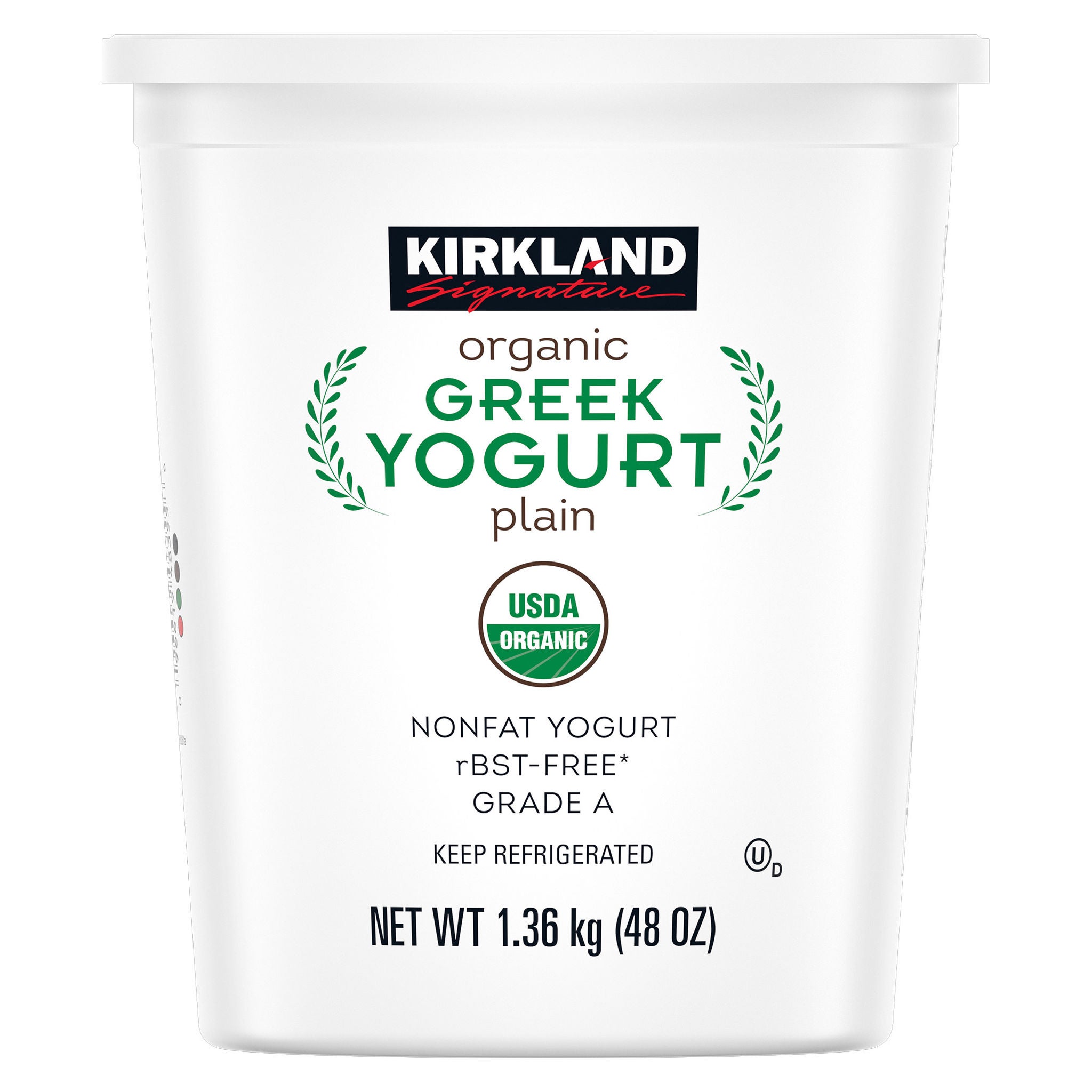
This Greek yogurt is minimally processed and contains high-quality ingredients such as cultured pasteurized nonfat milk and pure honey. It is rich in probiotics, which support gut health and digestion, and lacks any harmful additives or artificial ingredients. The presence of natural sugars from honey is a minor consideration, but overall, the product maintains a clean label and excellent nutritional profile.
Key ingredients 7
Cultured pasteurized grade a nonfat milkGood
Nonfat milk is a good source of protein and calcium, essential for bone health. It is pasteurized to ensure safety by eliminating harmful bacteria. The nonfat variant reduces calorie intake while still providing essential nutrients.
Benefits
Provides high-quality protein and calcium, supporting muscle maintenance and bone health.
S. thermophilusGood
S. thermophilus is a probiotic culture that aids in the fermentation of yogurt, contributing to gut health. It helps in the digestion of lactose, making yogurt more digestible for lactose-intolerant individuals. This culture also enhances the nutritional profile of yogurt by producing beneficial compounds.
Benefits
Supports digestive health and improves lactose digestion, enhancing the overall nutritional value of yogurt.
L. bulgaricusGood
L. bulgaricus is a beneficial probiotic that plays a key role in yogurt fermentation. It helps maintain a healthy gut microbiome and supports immune function. This culture is known for its ability to improve the texture and flavor of yogurt.
Benefits
Promotes gut health and supports the immune system, contributing to the overall health benefits of yogurt.
L. acidophilusGood
L. acidophilus is a well-researched probiotic that supports digestive health and enhances the immune system. It is commonly used in yogurt to improve gut flora balance. This culture can also help in reducing symptoms of lactose intolerance.
Benefits
Enhances gut health and supports immune function, making it a valuable addition to yogurt.
B. lactisGood
B. lactis is a probiotic strain that aids in digestion and supports a healthy immune system. It is often included in yogurt to improve its probiotic content. This culture can help in maintaining a balanced gut microbiome.
Benefits
Supports digestive health and enhances immune function, contributing to the probiotic benefits of yogurt.
L. caseiGood
L. casei is a probiotic that supports gut health and enhances the immune response. It is used in yogurt to boost its probiotic content and improve digestion. This culture is beneficial for maintaining a healthy balance of gut bacteria.
Benefits
Promotes a healthy digestive system and supports immune health, enhancing the nutritional profile of yogurt.
Pure honeyNeutral
Honey is a natural sweetener with some antioxidant properties. It is less processed than refined sugars, retaining some beneficial compounds. However, it is still a source of sugar and should be consumed in moderation.
Risks
Excessive consumption can contribute to high sugar intake, potentially leading to weight gain and metabolic issues.
Benefits
Contains antioxidants and has a lower glycemic index compared to refined sugars, which may provide a slower release of energy.
Processing
Unprocessed or Minimally Processed Foods
Get the full breakdown in the Scout appTake Scout shopping
Scan any product to see lab results, healthy alternatives, and your personalized analysis.
Download on theApp Store GET IT ONGoogle Play