
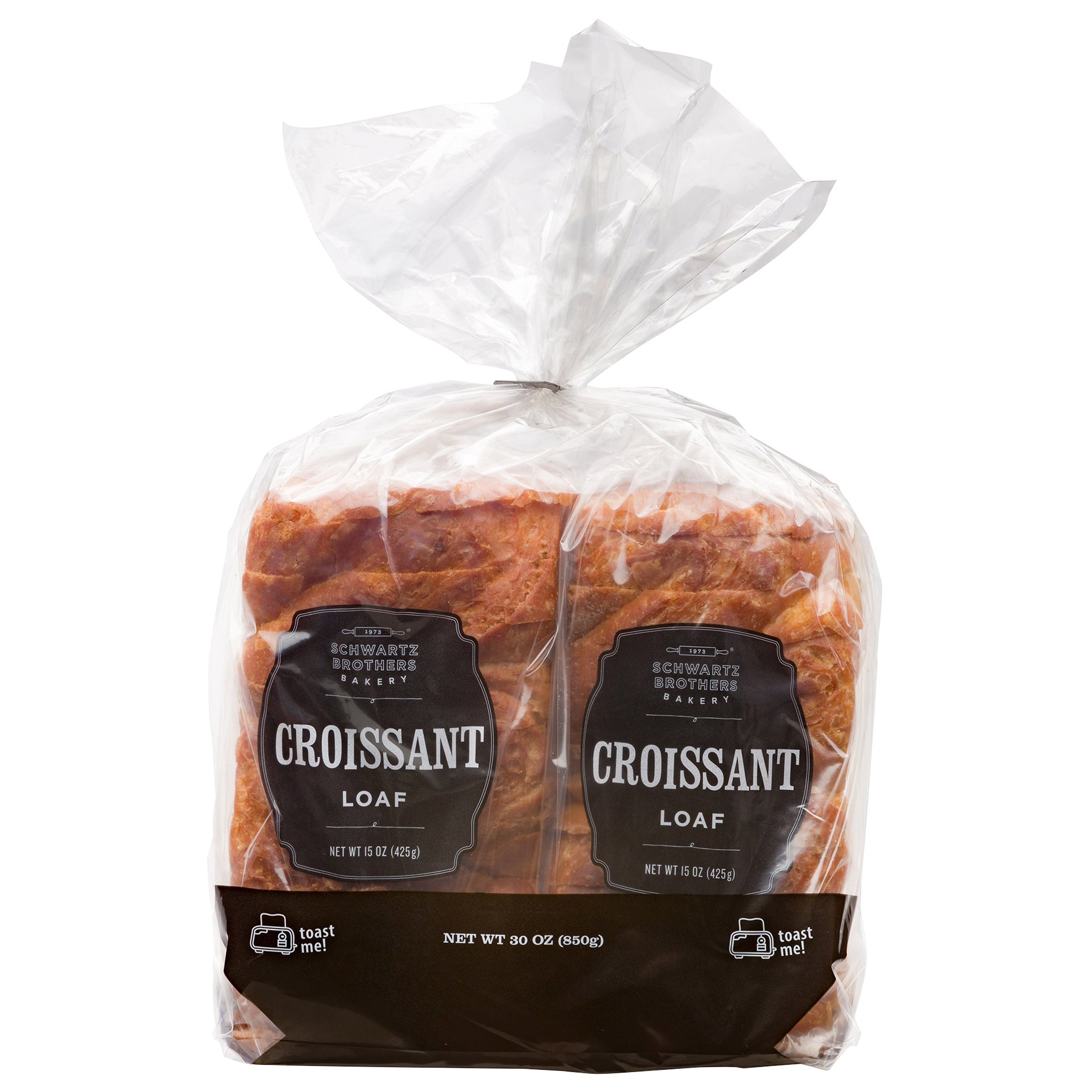


Schwartz Brothers Bakery Croissant Loaf
Analysis updated August 2026 · How Scout scores
At a glance
Summary
The Croissant Loaf is a processed food with a moderate level of processing, which limits its potential health score. It contains beneficial ingredients like unsalted butter and whole milk, which contribute to flavor and nutritional value. However, the presence of refined cane sugar and the preservative calcium propionate, along with its processed nature, detract from its overall healthiness.
Key ingredients 10
Unsalted ButterGood
Unsalted butter provides rich flavor and texture to baked goods. It contains saturated fats and fat-soluble vitamins like A, D, and E. When sourced from grass-fed cows, it offers additional omega-3 fatty acids and CLA.
Risks
High in saturated fats, which should be consumed in moderation.
Benefits
Rich in fat-soluble vitamins and provides a creamy texture and flavor.
Whole MilkGood
Whole milk adds moisture and richness to baked goods, contributing to a tender crumb. It is a source of calcium, protein, and essential vitamins. The fat content in whole milk enhances flavor and texture.
Risks
Contains lactose, which may cause digestive issues for lactose-intolerant individuals.
Benefits
Provides calcium and protein, supporting bone health and muscle function.
Sea SaltGood
Sea salt is a natural source of sodium and trace minerals, enhancing flavor in foods. It is less processed than table salt, retaining more natural minerals. Its use in moderation can support electrolyte balance.
Risks
Excessive consumption can lead to high blood pressure and cardiovascular issues.
Benefits
Contains trace minerals and enhances flavor without excessive processing.
Unbleached Wheat FlourNeutral
Unbleached wheat flour is a staple ingredient in many baked goods, providing structure and texture. It is less processed than bleached flour, retaining more natural nutrients. However, it is still a refined carbohydrate with limited fiber content.
Risks
May contribute to blood sugar spikes due to its refined nature.
Benefits
Provides essential carbohydrates and some protein necessary for energy.
WaterNeutral
Water is a fundamental ingredient used to hydrate and bind ingredients in dough. It is essential for the baking process and does not contribute any calories or nutrients. Its role is purely functional in the recipe.
See more about Water →YeastNeutral
Yeast is a microorganism used to ferment and leaven dough, creating a light and airy texture. It is a natural ingredient essential for bread-making. Yeast also contributes to the development of flavor in baked goods.
Benefits
Facilitates dough rising and enhances flavor through fermentation.
White Distilled VinegarNeutral
White distilled vinegar is used in baking to enhance flavor and improve dough texture. It is a natural acid that can help with dough conditioning. Its role is primarily functional, with minimal nutritional impact.
Benefits
Improves dough texture and flavor without adding calories.
Dough ConditionerNeutral
Dough conditioners improve the texture and shelf life of baked goods. They often include enzymes and vitamins to enhance dough performance. While functional, they do not contribute significant nutritional value.
Risks
May contain additives that some individuals prefer to avoid.
Benefits
Enhances dough texture and extends shelf life.
Cane SugarBad
Cane sugar is a refined sweetener that contributes to the sweetness of baked goods. It is high in calories and can lead to increased blood sugar levels. Excessive consumption is linked to various health issues, including obesity and diabetes.
Risks
High intake may lead to obesity, insulin resistance, and dental cavities.
Benefits
Provides quick energy but lacks essential nutrients.
Calcium PropionateBad
Calcium propionate is a preservative used to prevent mold growth in baked goods. It is effective in extending shelf life but is a synthetic additive. Some individuals may experience sensitivities or allergic reactions.
Risks
Potential for allergic reactions or sensitivities in some individuals.
Benefits
Prevents mold growth, extending the shelf life of baked goods.
Processing
Processed Foods
Get the full breakdown in the Scout appTake Scout shopping
Scan any product to see lab results, healthy alternatives, and your personalized analysis.
Download on theApp Store GET IT ONGoogle PlayAmazon pricing & content
Amazon price as of . Product prices and availability are accurate as of the date/time indicated and are subject to change. Any price and availability information displayed on Amazon.com at the time of purchase will apply to the purchase of this product.
CERTAIN CONTENT THAT APPEARS ON THIS SITE COMES FROM AMAZON. THIS CONTENT IS PROVIDED “AS IS” AND IS SUBJECT TO CHANGE OR REMOVAL AT ANY TIME.