
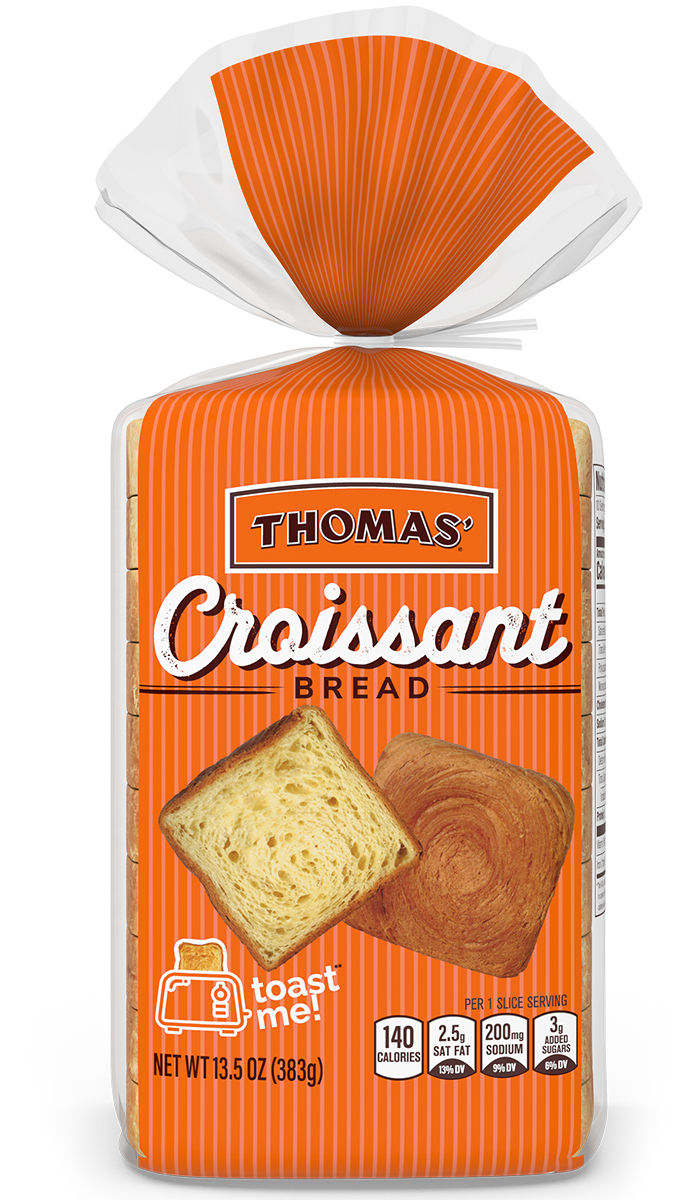




Croissant Loaf
Summary
The Croissant Loaf is a processed food with a moderate level of processing, which limits its potential score. It contains calcium propionate, a synthetic preservative, which can be a concern for some consumers. However, the use of unsalted butter and the absence of seed oils or artificial colors are positive aspects, contributing to a balanced evaluation.
At a glance
Key ingredients 10
Unbleached wheat flourNeutral
Unbleached wheat flour is a common base ingredient in baked goods. It retains more nutrients compared to bleached flour due to less processing. However, it still lacks the fiber and nutrients found in whole grain flour.
Risks
May contribute to blood sugar spikes due to its refined nature.
Benefits
Provides structure and texture to baked goods.
WaterNeutral
Water is a fundamental ingredient in baking, providing moisture and aiding in the mixing process. It is essential for activating yeast and developing gluten. There are no health concerns associated with water in this context.
Benefits
Essential for hydration and texture in baked goods.
Unsalted butterGood
Unsalted butter is a source of saturated fats and provides flavor and richness to baked goods. It is less processed than margarine and contains fat-soluble vitamins like A and E. Using unsalted butter allows for better control over the salt content in recipes.
Risks
High in saturated fats, which should be consumed in moderation.
Benefits
Contains fat-soluble vitamins and provides a rich flavor.
Whole milkNeutral
Whole milk adds moisture and richness to baked goods. It contains essential nutrients like calcium and vitamin D. However, it is also a source of saturated fat.
Risks
Contains lactose, which may cause issues for lactose-intolerant individuals.
Benefits
Provides calcium and vitamin D, contributing to bone health.
Cane sugarNeutral
Cane sugar is a common sweetener in baked goods, providing sweetness and aiding in browning. It is a refined sugar, which can contribute to health issues if consumed in excess. Unlike high fructose corn syrup, it is a more traditional form of sugar.
Risks
Excessive consumption can lead to health issues like obesity and diabetes.
Benefits
Provides sweetness and enhances flavor.
Sea saltGood
Unrefined sea salt — a minimally processed, natural source of sodium and essential trace minerals, and a legitimate whole-food seasoning. Treated as a positive ingredient.
Risks
Excessive sodium intake can lead to hypertension and cardiovascular issues.
Benefits
Enhances flavor and contains trace minerals.
YeastNeutral
Yeast is a leavening agent that helps dough rise by producing carbon dioxide. It is a natural ingredient that contributes to the texture and flavor of baked goods. Yeast is generally considered safe and beneficial in baking.
Benefits
Essential for leavening and contributes to texture and flavor.
White distilled vinegarNeutral
White distilled vinegar is used in baking to enhance flavor and improve dough texture. It is a natural preservative and can help extend the shelf life of baked goods. Its acidity can also aid in the activation of baking soda.
Benefits
Acts as a natural preservative and enhances flavor.
Dough conditionerNeutral
Dough conditioners are used to improve the texture and shelf life of baked goods. They often contain enzymes and vitamins that enhance dough performance. While they are processed, they are generally considered safe in moderation.
Risks
May contain additives that some individuals prefer to avoid.
Benefits
Improves dough texture and extends shelf life.
Calcium propionateBad
Calcium propionate is a preservative used to prevent mold growth in baked goods. It is a synthetic additive and can cause digestive issues in sensitive individuals. While effective as a preservative, it is not a natural ingredient.
Risks
May cause digestive issues and is a synthetic additive.
Benefits
Prevents mold growth and extends shelf life.
Processing
Processed Foods
Get the full breakdown in the Scout app
Scan any product to see lab results, healthy alternatives, and your personalized analysis.
Download on theApp Store