

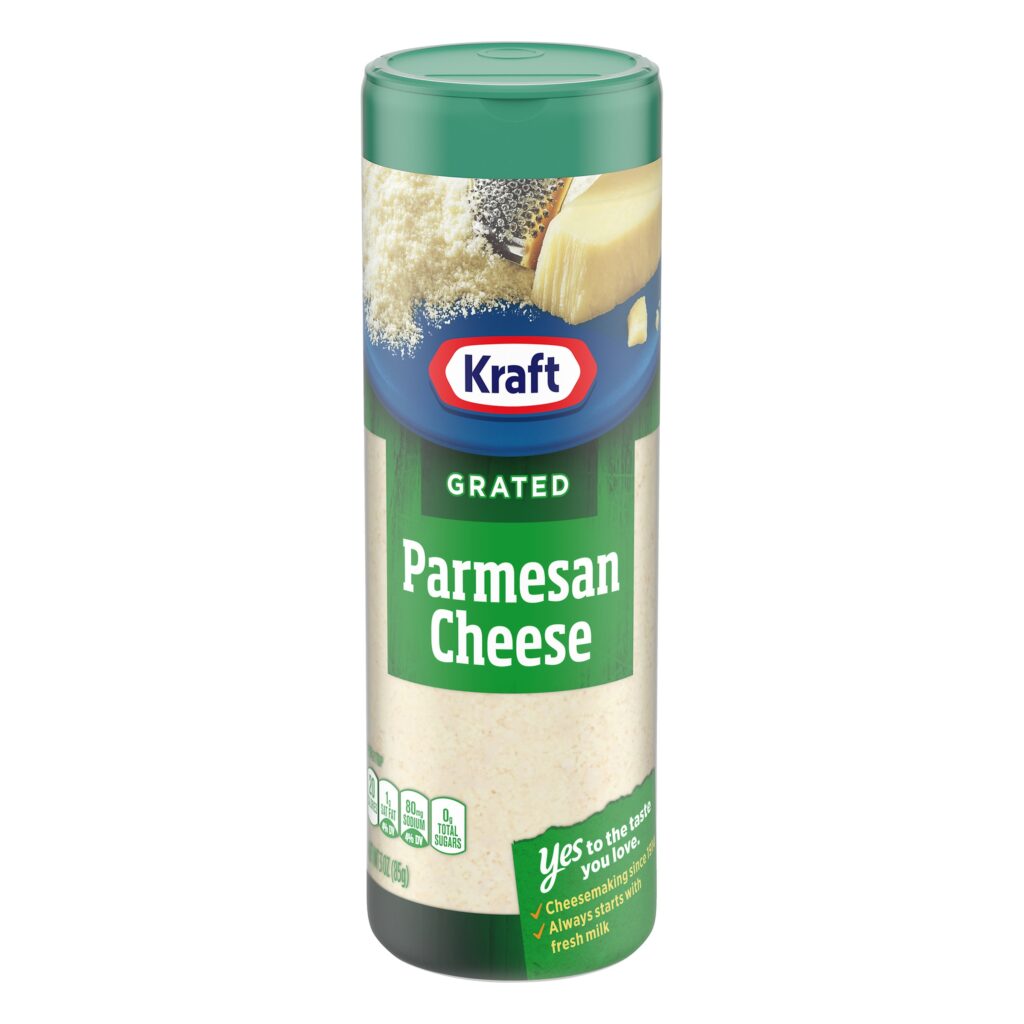


Taste Of Inspirations PARMESAN CHEESE
Analysis updated September 2026 · How Scout scores
At a glance
Summary
This Parmesan cheese is made from high-quality ingredients like pasteurized milk, cheese cultures, and sea salt, which contribute to its nutritional value and flavor. The presence of natamycin as a preservative is a minor concern, but it is used in small amounts to prevent mold growth. Despite being processed, the product maintains a clean ingredient list with minimal additives, allowing it to score well within its category.
Key ingredients 6
Cheese culturesVery Good
Cheese cultures help develop the characteristic flavor and texture of Parmesan cheese, supporting fermentation and quality.
See more about Cheese cultures →Pasteurized milkGood
Pasteurized milk provides essential nutrients and forms the base of the cheese, contributing to its flavor and texture.
See more about Pasteurized milk →Sea saltGood
Sea salt enhances flavor and acts as a natural preservative, maintaining cheese freshness.
See more about Sea salt →EnzymesNeutral
Standard formulation ingredient — neither beneficial nor harmful at typical use.
See more about Enzymes →NatamycinNeutral
Natamycin is used to prevent mold growth on the cheese surface, helping preserve quality without affecting flavor.
See more about Natamycin →En:e235Bad
En:e235 is an additive that consumers often associate with artificial ingredients, which may be viewed negatively.
See more about En:e235 →Processing
Processed Foods
Get the full breakdown in the Scout appTake Scout shopping
Scan any product to see lab results, healthy alternatives, and your personalized analysis.
Download on theApp Store GET IT ONGoogle Play