
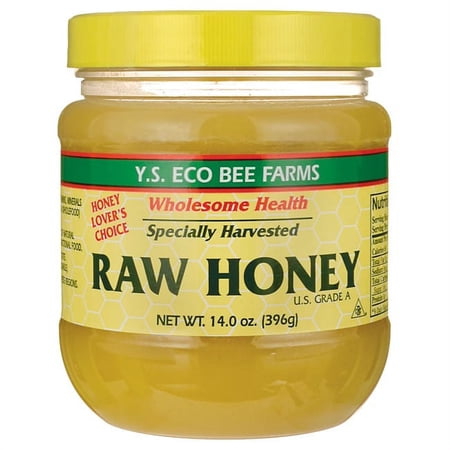



Nate's Raw Honey
Analysis updated August 2026 · How Scout scores
At a glance
Summary
This raw honey product is minimally processed and contains beneficial ingredients such as bee pollen and propolis, which provide additional nutrients and health benefits. The inclusion of vitamins and minerals like ascorbic acid and calcium further enhances its nutritional profile. As a single-ingredient product with added natural components, it maintains a high level of quality and purity.
Key ingredients 11
Bee PollenVery Good
Bee pollen is a nutrient-dense superfood containing vitamins, minerals, and antioxidants. It is collected from bees and is minimally processed. Known for its potential to boost energy and support immune function.
Risks
May cause allergic reactions in individuals sensitive to pollen or bee products.
Benefits
Rich in vitamins, minerals, and antioxidants that support overall health and vitality. May enhance energy levels and immune function.
HoneyGood
Honey is a natural sweetener with antioxidant and antimicrobial properties. It is minimally processed and retains beneficial enzymes and nutrients. Compared to refined sugars, honey offers additional health benefits.
Risks
Excessive consumption can lead to high sugar intake, which may contribute to weight gain and blood sugar spikes.
Benefits
Contains antioxidants and has antimicrobial properties that can support immune health. Provides a natural source of energy and nutrients.
PropolisGood
Propolis is a resinous substance produced by bees with antimicrobial and anti-inflammatory properties. It is used in traditional medicine for its health-promoting effects. Contains bioactive compounds that support immune health.
Risks
Potential allergen for individuals sensitive to bee products.
Benefits
Offers antimicrobial and anti-inflammatory benefits that can support immune health. Contains bioactive compounds that may promote healing.
Ascorbic AcidGood
Ascorbic acid, also known as vitamin C, is an essential nutrient with antioxidant properties. It is important for collagen synthesis and immune function. Often added to foods to enhance nutritional value.
Benefits
Supports immune function and acts as an antioxidant to protect cells from damage. Essential for collagen synthesis and skin health.
Pantothenic AcidGood
Pantothenic acid, or vitamin B5, is essential for energy metabolism and the synthesis of coenzyme A. It is naturally present in many foods and supports adrenal function. Important for the synthesis of fatty acids and hormones.
Benefits
Supports energy metabolism and adrenal function. Essential for the synthesis of coenzyme A, fatty acids, and hormones.
NiacinGood
Niacin, or vitamin B3, is important for energy production and DNA repair. It is found in many foods and supports cardiovascular health. Plays a role in reducing cholesterol levels and improving circulation.
Risks
High doses may cause flushing and liver damage.
Benefits
Supports energy production and cardiovascular health. May help reduce cholesterol levels and improve circulation.
RiboflavinGood
Riboflavin, or vitamin B2, is essential for energy production and cellular function. It is found in various foods and supports skin and eye health. Important for the metabolism of fats, drugs, and steroids.
Benefits
Supports energy production and cellular function. Important for skin and eye health.
CalciumGood
Calcium is a vital mineral for bone health and muscle function. It is essential for nerve transmission and blood clotting. Found in dairy products and fortified foods, it supports structural integrity of bones and teeth.
Risks
Excessive intake may lead to kidney stones and impaired absorption of other minerals.
Benefits
Supports bone health and muscle function. Essential for nerve transmission and blood clotting.
CopperGood
Copper is an essential trace mineral involved in iron metabolism and the formation of red blood cells. It supports immune function and acts as an antioxidant. Found in various foods, it is important for connective tissue formation.
Risks
Excessive intake can lead to toxicity and liver damage.
Benefits
Supports iron metabolism and red blood cell formation. Acts as an antioxidant and is important for connective tissue formation.
IronGood
Iron is a crucial mineral for oxygen transport and energy production. It is a component of hemoglobin and myoglobin, essential for oxygen delivery to tissues. Found in both plant and animal foods, it supports immune function.
Risks
Excessive intake can cause gastrointestinal issues and iron overload.
Benefits
Essential for oxygen transport and energy production. Supports immune function and cognitive development.
MagnesiumGood
Magnesium is a vital mineral involved in over 300 biochemical reactions in the body. It supports muscle and nerve function, blood glucose control, and bone health. Found in various foods, it is important for energy production and DNA synthesis.
Risks
Excessive intake can cause diarrhea and abdominal cramping.
Benefits
Supports muscle and nerve function, blood glucose control, and bone health. Important for energy production and DNA synthesis.
Processing
Processed Culinary Ingredients
Get the full breakdown in the Scout appTake Scout shopping
Scan any product to see lab results, healthy alternatives, and your personalized analysis.
Download on theApp Store GET IT ONGoogle PlayAmazon pricing & content
Amazon price as of . Product prices and availability are accurate as of the date/time indicated and are subject to change. Any price and availability information displayed on Amazon.com at the time of purchase will apply to the purchase of this product.
CERTAIN CONTENT THAT APPEARS ON THIS SITE COMES FROM AMAZON. THIS CONTENT IS PROVIDED “AS IS” AND IS SUBJECT TO CHANGE OR REMOVAL AT ANY TIME.