
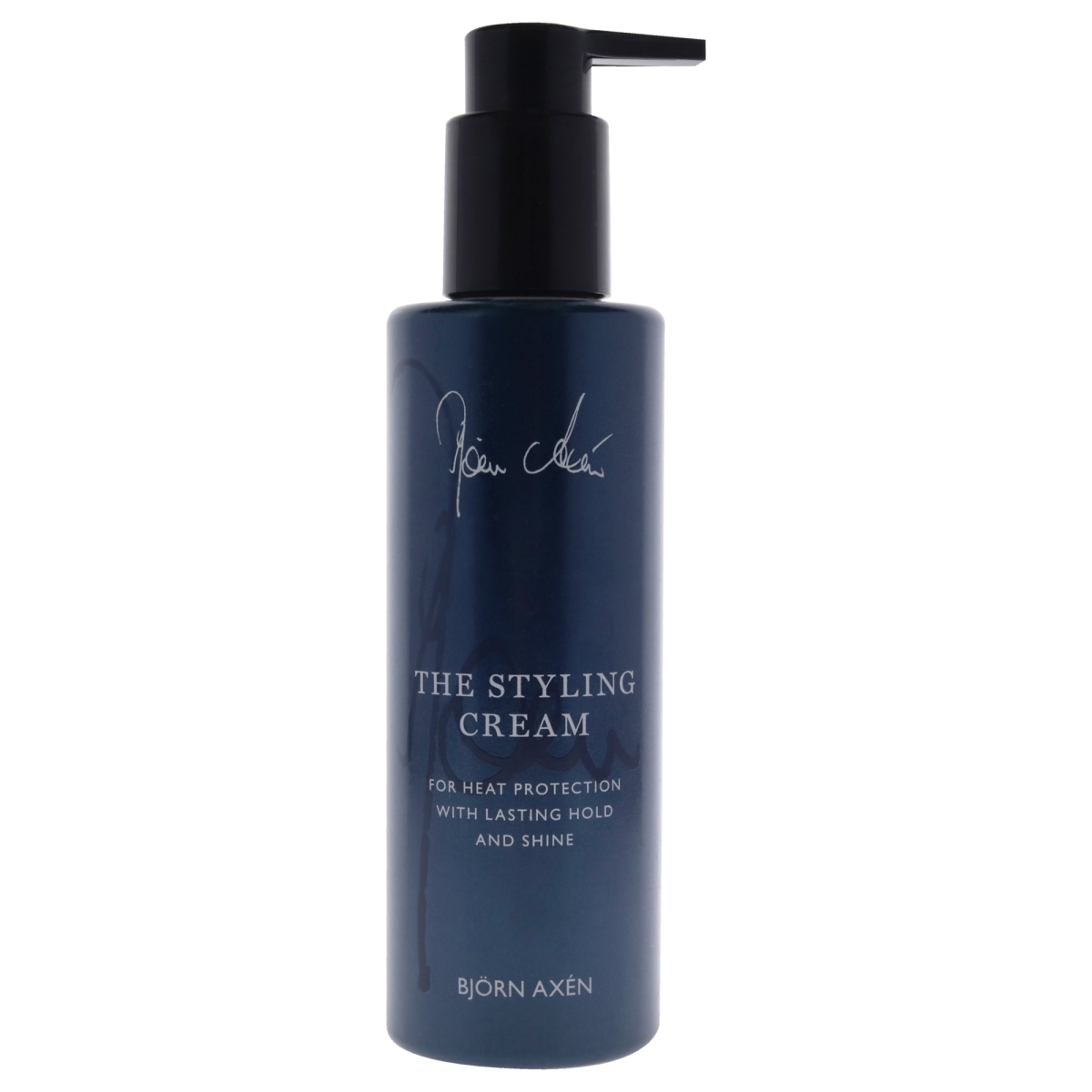

6.7 oz The Styling Cream for Unisex
Analysis updated October 2026 · How Scout scores
At a glance
Summary
This styling cream contains beneficial ingredients such as glycerin, sunflower seed cera, and tocopherol, which provide moisturizing and protective benefits. However, the presence of 'parfum' or fragrance, which can be an irritant, slightly lowers the overall safety profile. The product is moderately processed with a mix of natural and synthetic components, but the inclusion of natural oils and antioxidants contributes positively to its rating.
Key ingredients 19
TocopherolVery Good
Tocopherol, or Vitamin E, is a powerful antioxidant used to protect the skin from free radical damage. It helps to nourish and moisturize the skin, improving its overall health. It is considered very beneficial for its protective and moisturizing properties.
Risks
There are minimal risks associated with tocopherol.
Benefits
It protects the skin from free radical damage.
Canola OilGood
Canola Oil is a natural oil rich in fatty acids and vitamin E, used for its moisturizing properties. It helps to nourish and hydrate the skin and hair. It is considered beneficial for its emollient properties.
Risks
There are minimal risks, though it may cause allergic reactions in rare cases.
Benefits
It nourishes and hydrates the skin and hair.
GlycerinGood
Glycerin is a humectant that attracts moisture to the skin, helping to keep it hydrated. It is widely used in cosmetics for its ability to improve skin barrier function. It is considered very beneficial for maintaining skin moisture.
Risks
There are minimal risks associated with glycerin.
Benefits
It attracts moisture to the skin, keeping it hydrated.
Helianthus Annuus (Sunflower) Seed CeraGood
Sunflower Seed Cera is a natural wax derived from sunflower seeds, used for its emollient properties. It helps to condition and protect the skin and hair. It is considered beneficial for its natural origin and moisturizing effects.
Risks
There are minimal risks, though it may cause allergic reactions in rare cases.
Benefits
It conditions and protects the skin and hair.
Ascorbyl PalmitateGood
Ascorbyl Palmitate is a stable form of Vitamin C used for its antioxidant properties. It helps to protect the skin from oxidative stress and improve skin appearance. It is considered beneficial for its skin-protective effects.
Risks
There are minimal risks associated with ascorbyl palmitate.
Benefits
It protects the skin from oxidative stress.
Aqua (Water)Neutral
Water is a common solvent used in cosmetics to dissolve other ingredients. It helps in the application and absorption of the product. It does not have any direct benefits or risks.
Risks
There are no significant risks associated with water in cosmetics.
Benefits
Water helps in the application and absorption of the product.
Cetearyl AlcoholNeutral
Cetearyl Alcohol is a fatty alcohol used as an emollient and thickener in cosmetics. It helps to soften the skin and improve the texture of the product. It is generally considered safe and non-irritating.
Risks
Rarely, it may cause mild irritation in sensitive individuals.
Benefits
It helps to soften the skin and improve the texture of the product.
VP/VA CopolymerNeutral
VP/VA Copolymer is a film-forming agent used to provide hold in styling products. It helps in maintaining the hairstyle by forming a thin coating on the hair. It is generally considered safe for use in cosmetics.
Risks
There are minimal risks, though it may cause build-up on hair with excessive use.
Benefits
It provides hold and helps maintain hairstyles.
Glyceryl Stearate CitrateNeutral
Glyceryl Stearate Citrate is an emulsifier used to stabilize formulations and improve texture. It helps to blend oil and water components in cosmetics. It is generally considered safe and non-irritating.
Risks
There are minimal risks associated with this ingredient.
Benefits
It stabilizes formulations and improves texture.
Caprylyl GlycolNeutral
Caprylyl Glycol is a skin conditioning agent and preservative booster. It helps to improve the moisture content of the skin and enhance the effectiveness of preservatives. It is generally considered safe for use in cosmetics.
Risks
There are minimal risks associated with this ingredient.
Benefits
It improves moisture content and enhances preservative effectiveness.
BetaineNeutral
Betaine is a natural amino acid derivative used for its moisturizing properties. It helps to maintain skin hydration and improve texture. It is generally considered safe and beneficial for skin care.
Risks
There are minimal risks associated with betaine.
Benefits
It maintains skin hydration and improves texture.
Phenoxyethyl CaprylateNeutral
Phenoxyethyl Caprylate is an emollient and skin conditioning agent. It helps to improve the texture and feel of cosmetic products. It is generally considered safe for use in cosmetics.
Risks
There are minimal risks associated with this ingredient.
Benefits
It improves texture and feel of cosmetic products.
Xanthan GumNeutral
Xanthan Gum is a natural thickening agent used to stabilize and thicken formulations. It helps to improve the texture and consistency of cosmetic products. It is generally considered safe and non-irritating.
Risks
There are minimal risks associated with xanthan gum.
Benefits
It stabilizes and thickens formulations.
Glyceryl CaprylateNeutral
Glyceryl Caprylate is an emollient and emulsifier used to improve the texture of cosmetic products. It helps to blend oil and water components and condition the skin. It is generally considered safe for use in cosmetics.
Risks
There are minimal risks associated with this ingredient.
Benefits
It improves texture and conditions the skin.
Tetrasodium Glutamate DiacetateNeutral
Tetrasodium Glutamate Diacetate is a chelating agent used to enhance the stability and efficacy of cosmetic formulations. It helps to bind metal ions and prevent product degradation. It is generally considered safe for use in cosmetics.
Risks
There are minimal risks associated with this ingredient.
Benefits
It enhances stability and efficacy of formulations.
Dilauryl ThiodipropionateNeutral
Dilauryl Thiodipropionate is an antioxidant used to prevent the oxidation of oils in cosmetic formulations. It helps to extend the shelf life of products by protecting them from rancidity. It is generally considered safe for use in cosmetics.
Risks
There are minimal risks associated with this ingredient.
Benefits
It prevents oxidation and extends shelf life.
Pentaerythrityl Tetra-Di-T-Butyl HydroxyhydrocinnamateNeutral
This ingredient is an antioxidant used to protect cosmetic formulations from oxidation. It helps to maintain the stability and efficacy of the product. It is generally considered safe for use in cosmetics.
Risks
There are minimal risks associated with this ingredient.
Benefits
It protects formulations from oxidation.
PhenoxyethanolBad
Processed additive flagged under Scout's ingredient doctrine.
Risks
There are minimal risks, though it may cause irritation in sensitive individuals.
Benefits
It prevents microbial growth and extends shelf life.
Parfum (Fragrance)Very Bad
Fragrance is used to impart a pleasant scent to cosmetic products. However, it can cause allergic reactions and skin irritation in sensitive individuals. It is considered a potential irritant and is penalized in cosmetic formulations.
Risks
It can cause allergic reactions and skin irritation.
Benefits
It imparts a pleasant scent to products.
Get the full breakdown in the Scout appTake Scout shopping
Scan any product to see lab results, healthy alternatives, and your personalized analysis.
Download on theApp Store GET IT ONGoogle Play