

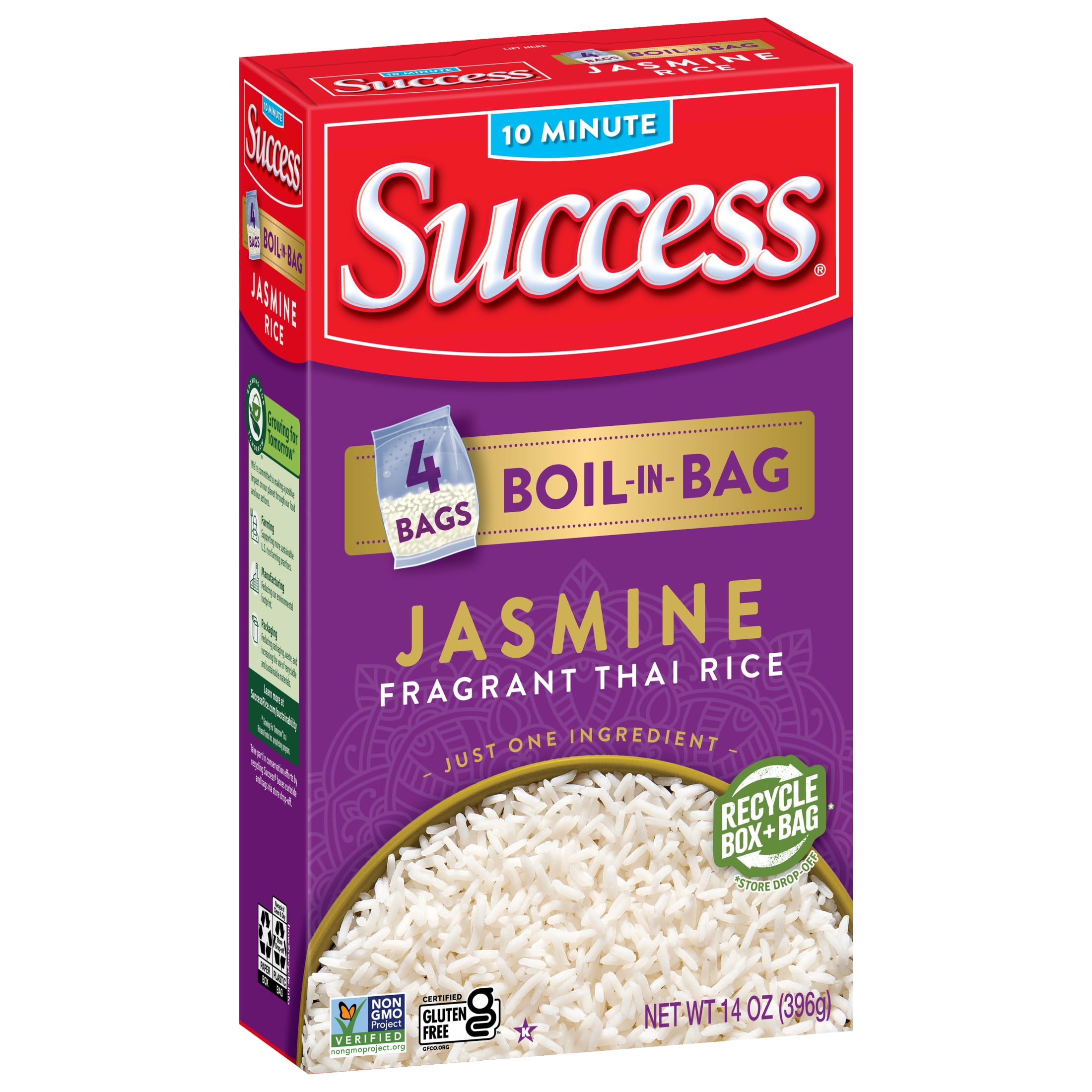

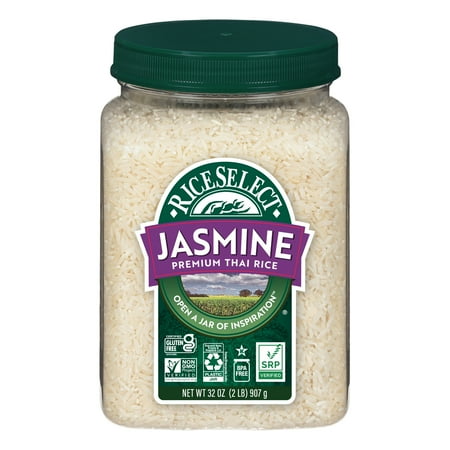

Rico Jasmine Rice
Analysis updated June 2026 · How Scout scores
At a glance
Summary
This jasmine rice product is enriched with essential nutrients like iron and B vitamins, which are beneficial for health. While it is a processed food, the ingredient list is clean and free from harmful additives, making it a healthy choice within its category. The processing level limits its score, but the enrichment process adds nutritional value, supporting its overall positive rating.
Key ingredients 6
NiacinGood
Niacin is a vital B-vitamin that supports energy metabolism and overall cellular health.
See more about Niacin →Iron (Ferric Orthophosphate)Good
Iron is essential for oxygen transport in the blood, helping prevent deficiencies and supporting overall vitality.
See more about Iron (Ferric Orthophosphate) →Thiamine (Thiamine Mononitrate)Good
Thiamine is a B-vitamin that aids in converting food into energy and supports nervous system health.
Enriched Jasmine RiceNeutral
This ingredient is a common staple that provides carbohydrates and energy, with no significant positive or negative impact on health.
RiceNeutral
Rice is a basic carbohydrate source that offers energy but has a neutral effect on overall health when consumed in moderation.
See more about Rice →Folic AcidNeutral
Standard formulation ingredient — neither beneficial nor harmful at typical use.
See more about Folic Acid →Processing
Processed Foods
Get the full breakdown in the Scout appTake Scout shopping
Scan any product to see lab results, healthy alternatives, and your personalized analysis.
Download on theApp Store GET IT ONGoogle PlayAmazon pricing & content
Amazon price as of . Product prices and availability are accurate as of the date/time indicated and are subject to change. Any price and availability information displayed on Amazon.com at the time of purchase will apply to the purchase of this product.
CERTAIN CONTENT THAT APPEARS ON THIS SITE COMES FROM AMAZON. THIS CONTENT IS PROVIDED “AS IS” AND IS SUBJECT TO CHANGE OR REMOVAL AT ANY TIME.