


At a glance
Summary
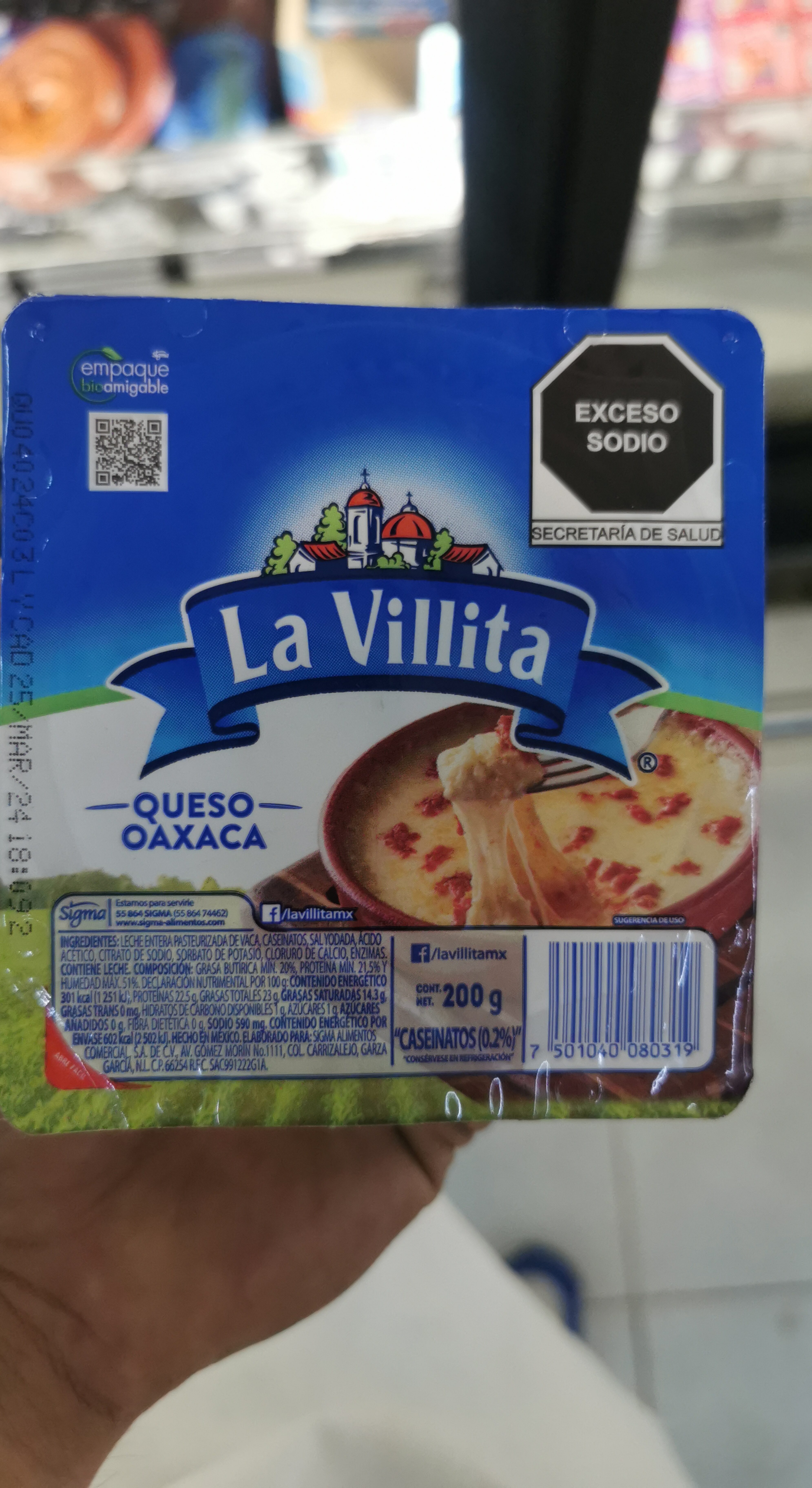
Queso Oaxaca is a processed cheese made primarily from whole cow's milk, which provides high-quality protein and essential nutrients. However, it includes several additives such as citric acid and sodium citrate, which contribute to its processing level. While it lacks harmful ingredients like seed oils or artificial dyes, the presence of these additives and its processed nature limit its score.
Key ingredients 8
Whole cow's milkGood
Whole cow's milk is a primary source of high-quality protein and essential nutrients. It provides calcium, vitamin D, and other vital nutrients that support bone health. The pasteurization process ensures safety by eliminating harmful bacteria.
Risks
Potential risks include lactose intolerance and milk allergies in some individuals.
Benefits
Rich in protein and calcium, supporting muscle and bone health. Provides essential vitamins and minerals necessary for overall well-being.
Iodized saltNeutral
Iodized salt is used to enhance flavor and provide iodine, an essential nutrient. Iodine is crucial for thyroid function and metabolic regulation. The addition of iodine helps prevent deficiencies in populations with low dietary iodine intake.
Risks
Excessive salt intake can lead to hypertension and cardiovascular issues.
Benefits
Provides iodine, which is essential for thyroid health and metabolic processes.
Potassium chlorideNeutral
Potassium chloride is used as a salt substitute to reduce sodium content. It helps maintain electrolyte balance and supports nerve and muscle function. Its use can be beneficial for individuals needing to manage sodium intake.
Risks
High intake may lead to hyperkalemia, especially in individuals with kidney issues.
Benefits
Helps in maintaining electrolyte balance and supports cardiovascular health.
CaseinatesNeutral
Caseinates are milk-derived proteins used to improve texture and nutritional content. They provide a slow-digesting protein source that can aid in muscle recovery. Processing involves separating casein from milk, which may affect lactose content.
Risks
May cause allergic reactions in individuals with milk protein allergies.
Benefits
Offers a sustained release of amino acids, beneficial for muscle maintenance and growth.
Acetic acidNeutral
Acetic acid is used as a preservative and flavoring agent. It is naturally found in vinegar and contributes to the tangy taste of foods. Its antimicrobial properties help extend shelf life.
Risks
Excessive consumption may cause digestive discomfort.
Benefits
Acts as a preservative and flavor enhancer, contributing to food safety and taste.
Sodium citrateNeutral
Sodium citrate is used as an emulsifier and acidity regulator in cheese products. It helps maintain a smooth texture and prevents separation. The compound is generally recognized as safe when used in moderation.
Risks
High intake may lead to gastrointestinal discomfort.
Benefits
Improves texture and stability of cheese products, enhancing consumer experience.
Calcium chlorideNeutral
Calcium chloride is used to improve the firmness and texture of cheese. It aids in the coagulation process during cheese making. The compound is safe for consumption in regulated amounts.
Benefits
Enhances cheese texture and firmness, contributing to product quality.
EnzymesNeutral
Enzymes are used in cheese production to aid in the coagulation of milk. They are essential for the development of cheese texture and flavor. The use of microbial or animal-derived enzymes is common in cheese making.
Benefits
Facilitates cheese production by aiding in milk coagulation and flavor development.
Processing
Processed Foods
Get the full breakdown in the Scout appTake Scout shopping
Scan any product to see lab results, healthy alternatives, and your personalized analysis.
Download on theApp Store GET IT ONGoogle PlayAmazon pricing & content
Amazon price as of . Product prices and availability are accurate as of the date/time indicated and are subject to change. Any price and availability information displayed on Amazon.com at the time of purchase will apply to the purchase of this product.
CERTAIN CONTENT THAT APPEARS ON THIS SITE COMES FROM AMAZON. THIS CONTENT IS PROVIDED “AS IS” AND IS SUBJECT TO CHANGE OR REMOVAL AT ANY TIME.