

At a glance
Summary
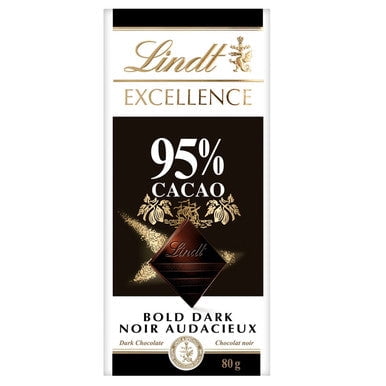
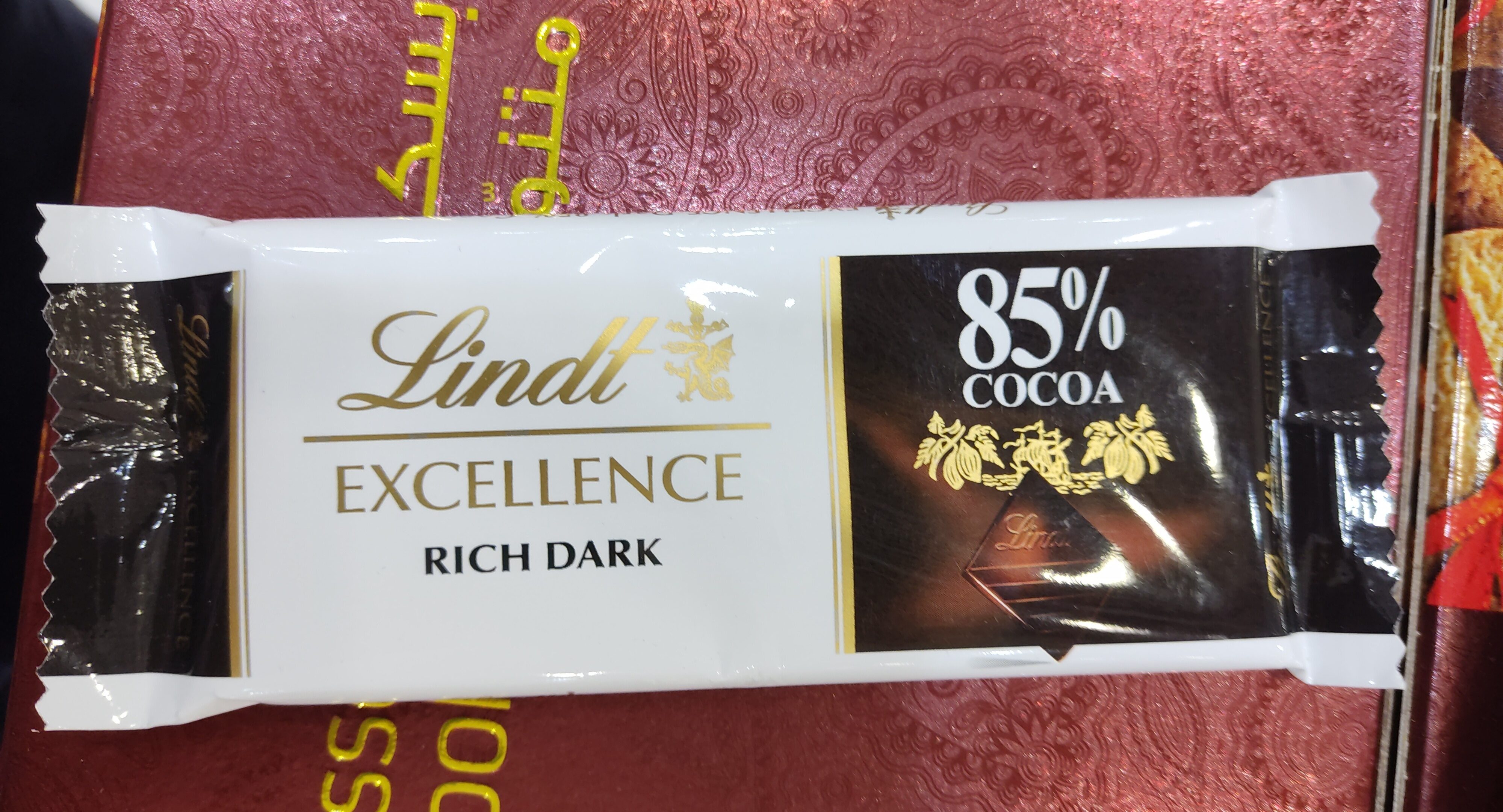
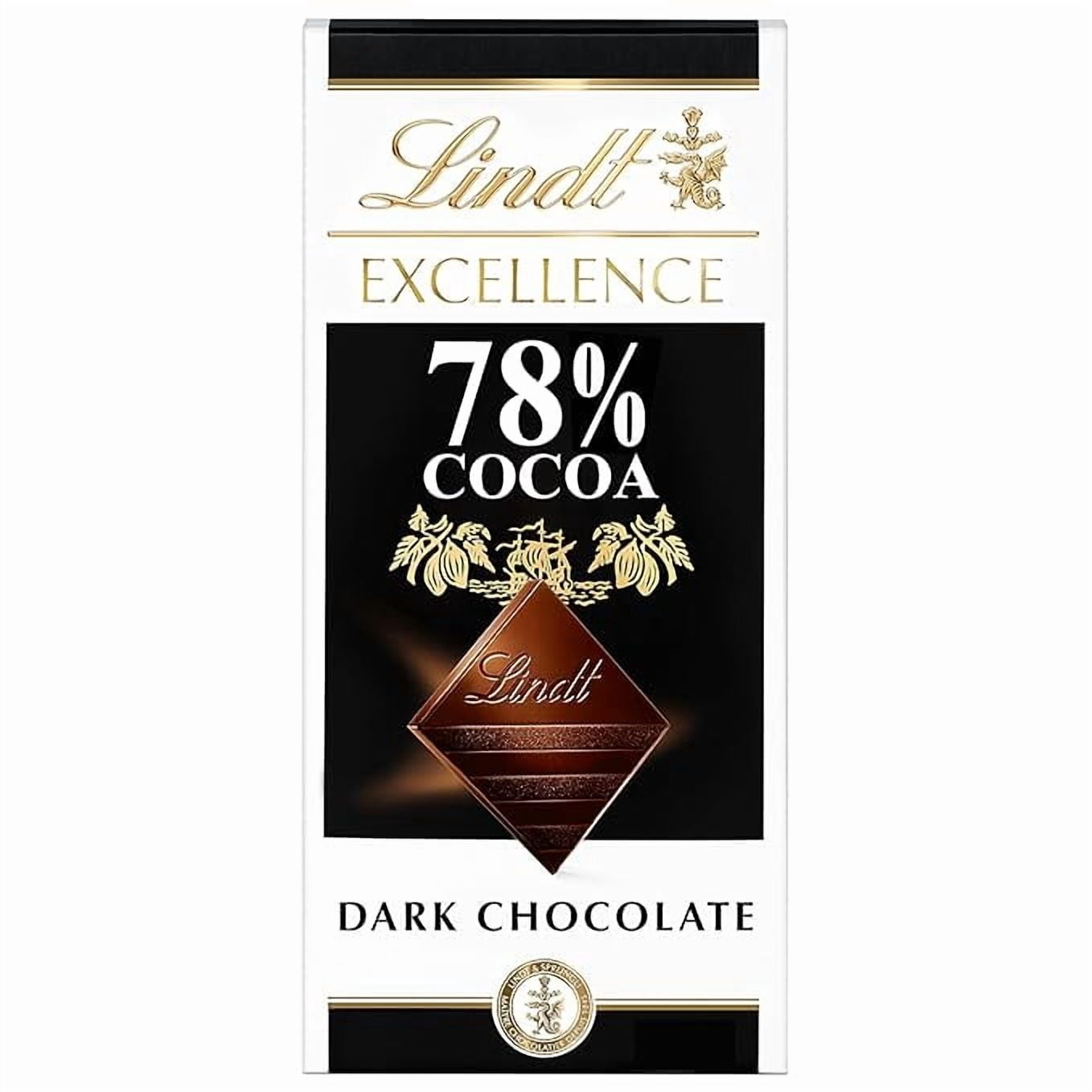
This chocolate product is heavily processed, containing refined sugar as a primary ingredient, which contributes to its high sugar content and potential health risks like obesity and metabolic disorders. While it includes beneficial cocoa butter, the presence of soy lecithin as an emulsifier indicates further processing. The overall processing level and high sugar content limit its healthfulness despite some natural ingredients.
Key ingredients 9
Cocoa butterGood
Natural traditional fat pressed from cacao.
Risks
High in saturated fats, which may contribute to heart disease if consumed in excess.
Benefits
Contains stearic acid, which may have a neutral effect on cholesterol levels.
Whole milk powderNeutral
Whole milk powder is a dehydrated form of milk that retains its nutritional profile. It provides protein and calcium but is also high in saturated fat. The drying process may reduce some heat-sensitive nutrients.
Risks
Contains lactose, which can cause digestive issues for lactose-intolerant individuals.
Benefits
Provides essential nutrients like calcium and protein.
Cocoa massNeutral
Cocoa mass is made from ground cocoa beans and is a primary component of chocolate. It contains antioxidants and flavonoids that may offer health benefits. However, it is also high in calories and fat.
Risks
High in calories and fat, which can contribute to weight gain if consumed in excess.
Benefits
Rich in antioxidants and flavonoids that may support heart health.
LactoseNeutral
Lactose is a sugar found in milk and dairy products. It is used as a sweetener and filler in processed foods. Some individuals may have difficulty digesting lactose due to lactase deficiency.
Risks
Can cause digestive discomfort in lactose-intolerant individuals.
Skimmed milk powderNeutral
Skimmed milk powder is made by removing fat from milk and drying it. It provides protein and calcium with lower fat content compared to whole milk powder. The drying process may affect some nutrient levels.
Risks
Contains lactose, which can cause issues for lactose-intolerant individuals.
Benefits
Offers protein and calcium with reduced fat content.
Barley malt extractNeutral
Barley malt extract is a sweetener derived from barley grains. It is used for its flavor and as a natural sweetener in foods. It contains some vitamins and minerals but is primarily a source of sugar.
Risks
Contains gluten, which can be problematic for individuals with celiac disease or gluten sensitivity.
Benefits
Provides a natural source of sweetness and some micronutrients.
SugarBad
Refined sugar is a high-calorie ingredient with no essential nutrients. It can contribute to weight gain and increase the risk of chronic diseases. Excessive consumption is linked to metabolic syndrome and dental cavities.
Risks
High intake of sugar can lead to obesity, type 2 diabetes, and heart disease.
Soy lecithinBad
Soy lecithin is a common emulsifier derived from soybeans. It is used to improve texture and extend shelf life in processed foods. Concerns exist about its processing and potential allergenicity.
Risks
May cause allergic reactions in individuals sensitive to soy.
FlavoringBad
Flavoring is a broad term that can include a variety of natural and artificial substances. It is used to enhance taste but lacks nutritional value. The lack of specificity raises concerns about potential artificial additives.
Risks
May contain artificial additives that could have health implications.
Processing
Ultra-Processed Foods
Get the full breakdown in the Scout appTake Scout shopping
Scan any product to see lab results, healthy alternatives, and your personalized analysis.
Download on theApp Store GET IT ONGoogle Play