
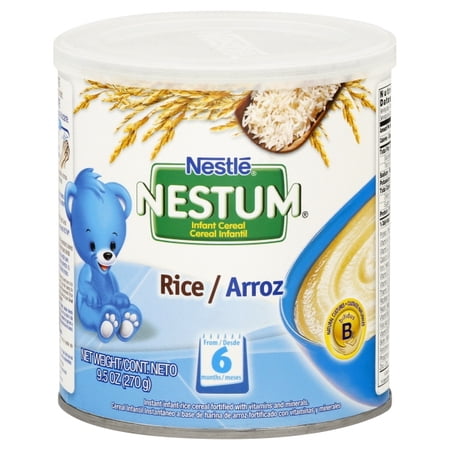


Nestum Baby Cereal Rice
Summary
This baby cereal contains beneficial ingredients like rice flour, vitamins, and minerals, which are essential for infant nutrition. However, it is highly processed and includes artificial flavoring, which detracts from its overall healthiness. The presence of added sugars and the ultra-processed nature of the product limit its score, despite the inclusion of some beneficial nutrients.
At a glance
Key ingredients 20
Rice FlourGood
Rice flour is a primary carbohydrate source providing energy. It is gluten-free, making it suitable for those with gluten sensitivities. It is a staple in many cultures and easily digestible for infants.
Benefits
Provides a source of carbohydrates essential for energy, especially in growing infants.
Calcium CarbonateGood
Calcium carbonate is used to fortify foods with calcium, essential for bone health. It is a common and effective form of calcium supplementation. It helps in maintaining strong bones and teeth.
Risks
Excessive intake may lead to hypercalcemia, but this is unlikely in typical dietary amounts.
Benefits
Supports bone health by providing a necessary mineral for bone development and maintenance.
Dipotassium PhosphateNeutral
Dipotassium phosphate is used as a stabilizer and pH buffer in foods. It is generally recognized as safe when used in food products. It helps maintain the texture and stability of the cereal.
Risks
Excessive consumption may affect kidney function, but typical dietary amounts are safe.
Soy LecithinNeutral
Soy lecithin is an emulsifier that helps blend ingredients. It is derived from soybeans and is commonly used in processed foods. It aids in maintaining product consistency.
Risks
May cause allergic reactions in individuals sensitive to soy.
Vitamin CVery Good
Vitamin C is an essential nutrient that supports immune function and acts as an antioxidant. It is crucial for the growth and repair of tissues in the body. It enhances iron absorption from plant-based foods.
Benefits
Supports immune health and enhances iron absorption, contributing to overall well-being.
Ferrous FumarateGood
Ferrous fumarate is a form of iron used to prevent and treat iron deficiency anemia. It is an effective iron supplement that is well-absorbed by the body. Iron is essential for oxygen transport in the blood.
Risks
Excessive iron intake can lead to toxicity, but this is rare with normal dietary consumption.
Benefits
Helps prevent iron deficiency anemia, supporting healthy blood and energy levels.
VanillinBad
Vanillin is an artificial flavor used to mimic vanilla. It is synthetically produced and lacks the complex flavor profile of natural vanilla. Overuse of artificial flavors can lead to a preference for overly sweetened foods.
Risks
May contribute to an increased preference for artificial flavors over natural ones.
Zinc SulfateGood
Zinc sulfate is used to provide zinc, an essential mineral for immune function and enzyme activity. It supports growth and development, especially in infants. Zinc is crucial for DNA synthesis and cell division.
Risks
Excessive zinc intake can interfere with copper absorption, but this is unlikely with normal dietary amounts.
Benefits
Supports immune function and is essential for growth and development.
Vitamin EVery Good
Vitamin E acts as an antioxidant, protecting cells from oxidative damage. It is important for immune function and skin health. It helps maintain healthy skin and eyes.
Benefits
Provides antioxidant protection and supports immune and skin health.
NiacinGood
Niacin, also known as vitamin B3, is essential for energy metabolism and DNA repair. It supports the function of the digestive system, skin, and nerves. It helps convert food into energy.
Risks
High doses can cause flushing and liver damage, but this is unlikely with normal dietary intake.
Benefits
Supports energy metabolism and overall cellular health.
Bifidobacterium LactisVery Good
Bifidobacterium lactis is a probiotic that supports gut health and digestion. It helps maintain a healthy balance of gut bacteria. Probiotics can enhance immune function and improve digestive health.
Benefits
Supports digestive health and may enhance immune function.
Vitamin B5Good
Vitamin B5, or pantothenic acid, is essential for synthesizing coenzyme A, crucial for fatty acid metabolism. It supports energy production and the synthesis of hormones. It is vital for the metabolism of carbohydrates, proteins, and fats.
Benefits
Supports energy metabolism and the synthesis of essential compounds in the body.
Vitamin B1Good
Vitamin B1, or thiamine, is essential for energy metabolism and nerve function. It helps convert carbohydrates into energy and supports the nervous system. It is crucial for the proper functioning of the heart, muscles, and nervous system.
Benefits
Supports energy metabolism and nerve function, contributing to overall health.
Vitamin B2Good
Vitamin B2, or riboflavin, is important for energy production and cellular function. It helps convert food into energy and supports the health of the skin and eyes. It is essential for the metabolism of fats, drugs, and steroids.
Benefits
Supports energy production and maintains healthy skin and eyes.
Vitamin AVery Good
Vitamin A is crucial for vision, immune function, and reproduction. It supports cell growth and differentiation, playing a critical role in maintaining healthy vision and skin. It is essential for the proper functioning of the immune system.
Risks
Excessive intake can lead to toxicity, but this is unlikely with normal dietary consumption.
Benefits
Supports vision, immune function, and skin health.
Vitamin B6Good
Vitamin B6 is involved in amino acid metabolism and neurotransmitter synthesis. It supports brain health and the production of hemoglobin. It is essential for cognitive development and immune function.
Benefits
Supports brain health and the production of neurotransmitters and hemoglobin.
Vitamin B9Very Good
Vitamin B9, or folic acid, is essential for DNA synthesis and cell division. It is crucial during periods of rapid growth, such as pregnancy and infancy. It helps prevent neural tube defects in developing embryos.
Benefits
Supports DNA synthesis and cell division, crucial for growth and development.
Vitamin B7Good
Vitamin B7, or biotin, is important for carbohydrate, fat, and protein metabolism. It supports healthy hair, skin, and nails. It is essential for the production of fatty acids and glucose.
Benefits
Supports metabolism and maintains healthy hair, skin, and nails.
Vitamin D3Very Good
Vitamin D3 is essential for calcium absorption and bone health. It supports immune function and has anti-inflammatory properties. It is crucial for maintaining healthy bones and teeth.
Risks
Excessive intake can lead to toxicity, but this is unlikely with normal dietary consumption.
Benefits
Supports bone health and immune function, contributing to overall well-being.
Vitamin B12Very Good
Vitamin B12 is essential for red blood cell formation and neurological function. It supports DNA synthesis and energy production. It is crucial for maintaining healthy nerve cells and preventing anemia.
Benefits
Supports red blood cell formation and neurological function, contributing to overall health.
Processing
Ultra-Processed Foods
Get the full breakdown in the Scout app
Scan any product to see lab results, healthy alternatives, and your personalized analysis.
Download on theApp Store