



At a glance
Summary
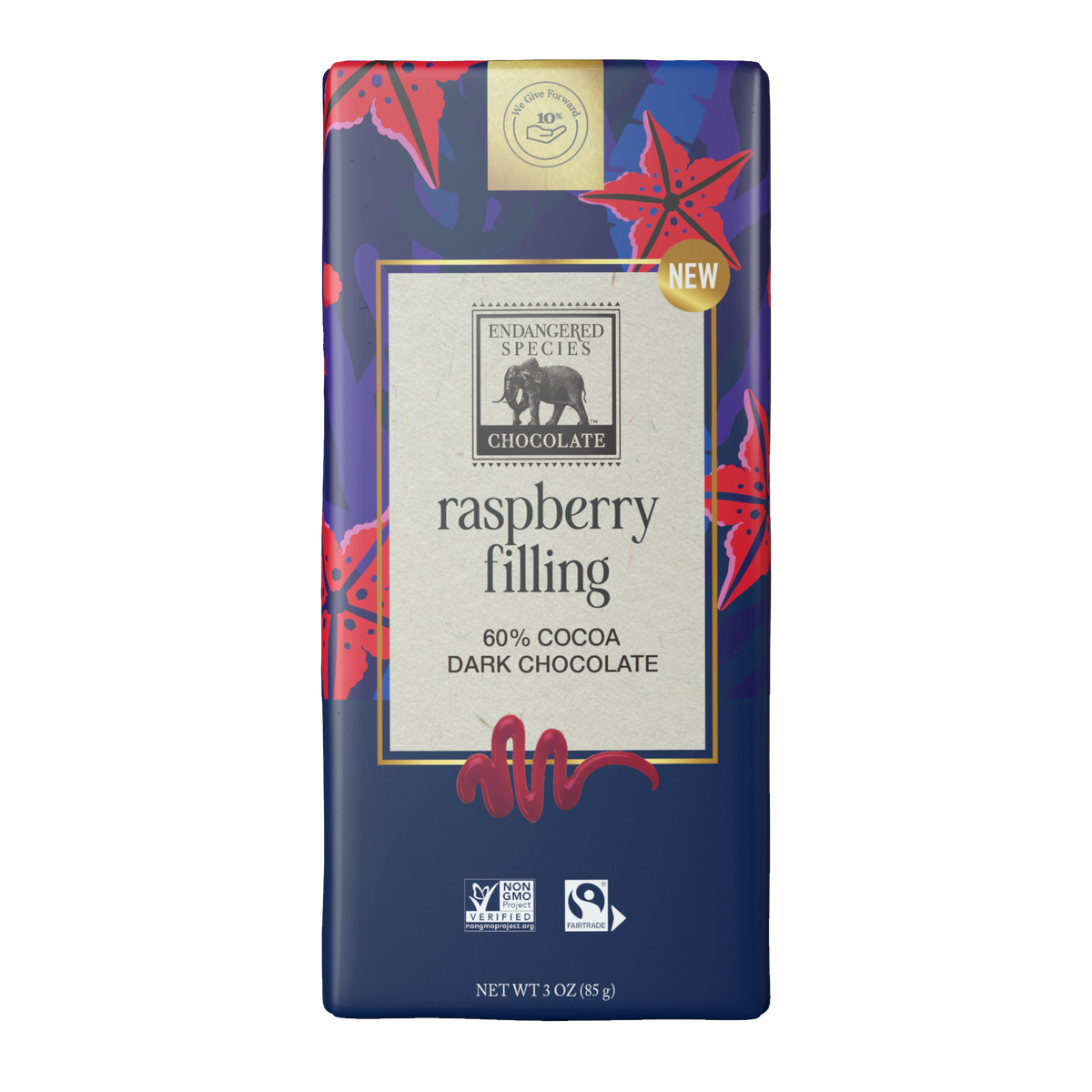
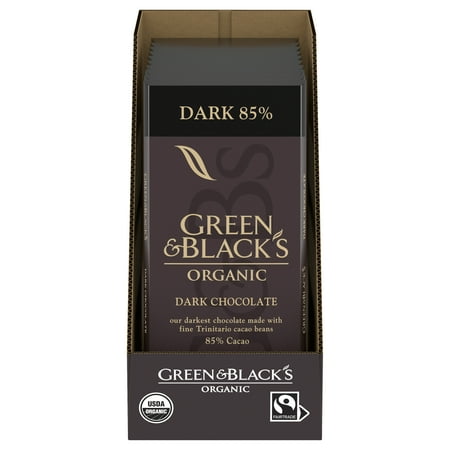
This chocolate product contains beneficial ingredients like cocoa mass and roasted hazelnuts, which provide antioxidants and healthy fats. However, it is heavily processed and includes refined sugar, which can contribute to health issues when consumed in excess. The presence of emulsifiers and the overall processing level limit its healthiness despite some positive nutritional aspects.
Key ingredients 8
Cocoa massGood
Cocoa mass is rich in flavonoids, which are antioxidants that can support heart health. It is minimally processed compared to other chocolate ingredients, retaining more nutrients. The presence of natural compounds may also improve mood and cognitive function.
Risks
May contain caffeine and theobromine, which can cause sensitivity in some individuals.
Benefits
Contains antioxidants that may reduce inflammation and improve heart health.
Roasted hazelnut piecesGood
Hazelnuts are a good source of healthy fats, vitamins, and minerals. Roasting enhances their flavor but can reduce some heat-sensitive nutrients. They contribute to heart health and provide a satisfying texture in foods.
Risks
Potential allergen for individuals with nut allergies.
Benefits
Rich in monounsaturated fats and vitamin E, supporting heart health and skin health.
Cocoa butterGood
Natural traditional fat pressed from cacao.
Risks
High in saturated fats, which may impact heart health if consumed excessively.
Benefits
Provides a rich texture and flavor, and contains some antioxidants.
Skimmed milk powderNeutral
Skimmed milk powder is a source of protein and calcium but lacks the fat content of whole milk. It is often used in processed foods for its shelf stability and ease of use. While it provides essential nutrients, it is not as nutrient-dense as fresh dairy products.
Risks
May cause allergic reactions in individuals with lactose intolerance or milk allergies.
Benefits
Provides protein and calcium, essential for bone health.
Anhydrous milk fatNeutral
Anhydrous milk fat is a concentrated form of butterfat, used for its rich flavor and texture. It is high in saturated fats, which can be a concern for heart health. It is a natural dairy product, providing some essential fatty acids.
Risks
High in saturated fats, which may contribute to cardiovascular issues if overconsumed.
Benefits
Enhances flavor and texture, and provides essential fatty acids.
Natural vanilla flavorNeutral
Natural vanilla flavor is derived from vanilla beans and used to enhance the taste of foods. It is less processed than artificial flavors and generally considered safe. However, it may not provide the full range of compounds found in whole vanilla beans.
Benefits
Enhances flavor without the use of synthetic additives.
Emulsifier (soy lecithin)Neutral
Soy lecithin is a common emulsifier used to stabilize and improve the texture of processed foods. It is derived from soybeans and is generally considered safe in small amounts. While it is a processed ingredient, it is less concerning than synthetic emulsifiers.
Risks
May cause allergic reactions in individuals with soy allergies.
Benefits
Improves texture and consistency in food products.
SugarBad
Refined sugar is a high-calorie ingredient with no essential nutrients. It can contribute to weight gain and increase the risk of chronic diseases when consumed in excess. Its presence in processed foods is often linked to higher glycemic index values.
Risks
Excessive consumption can lead to obesity, type 2 diabetes, and dental cavities.
Processing
Ultra-Processed Foods
Get the full breakdown in the Scout appTake Scout shopping
Scan any product to see lab results, healthy alternatives, and your personalized analysis.
Download on theApp Store GET IT ONGoogle Play