
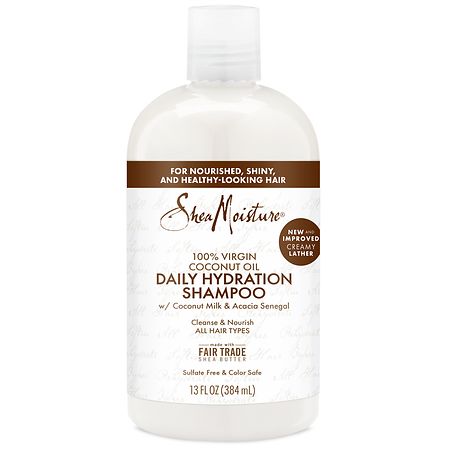
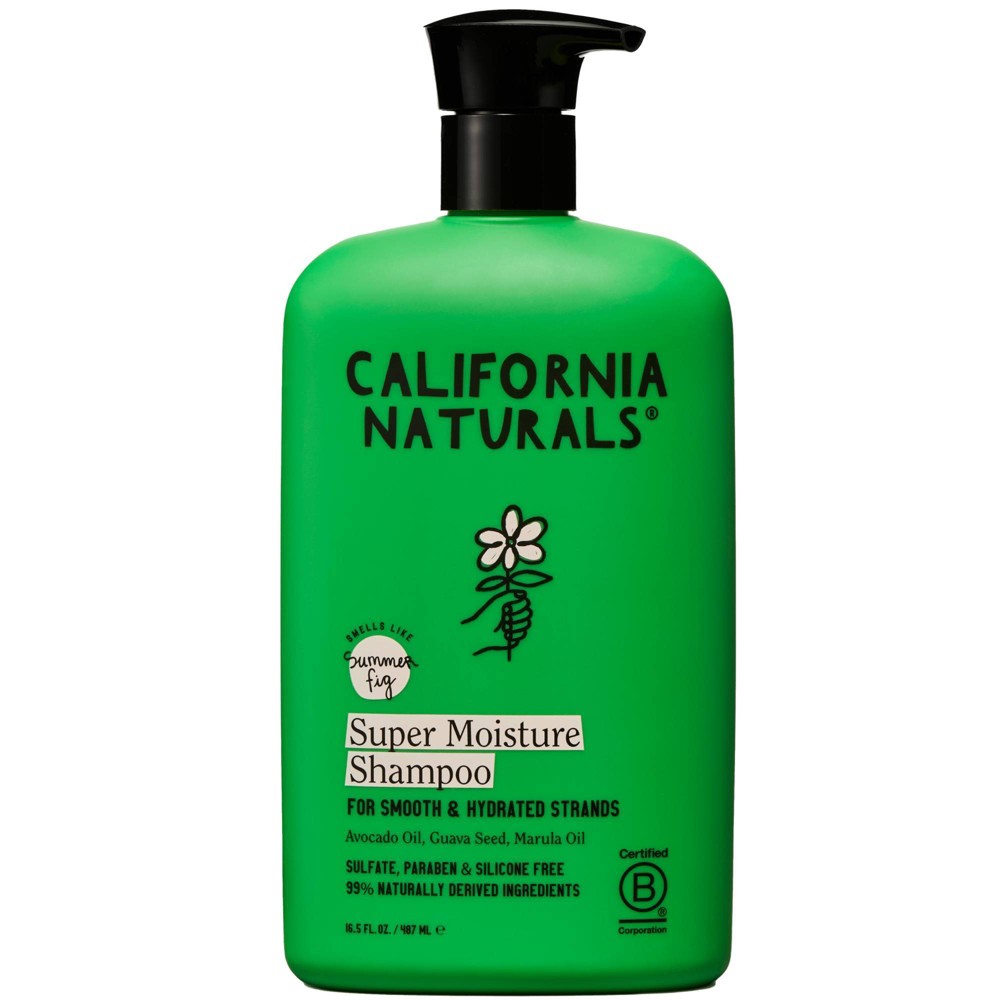
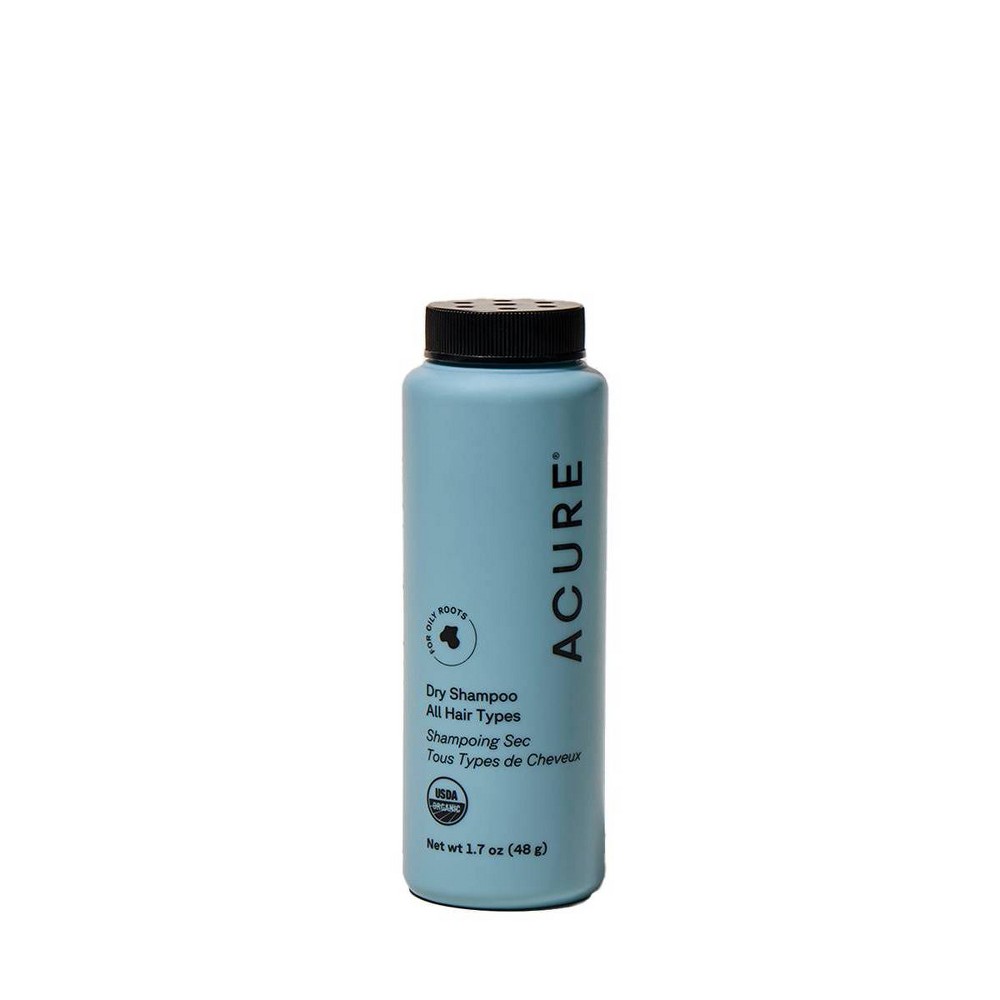
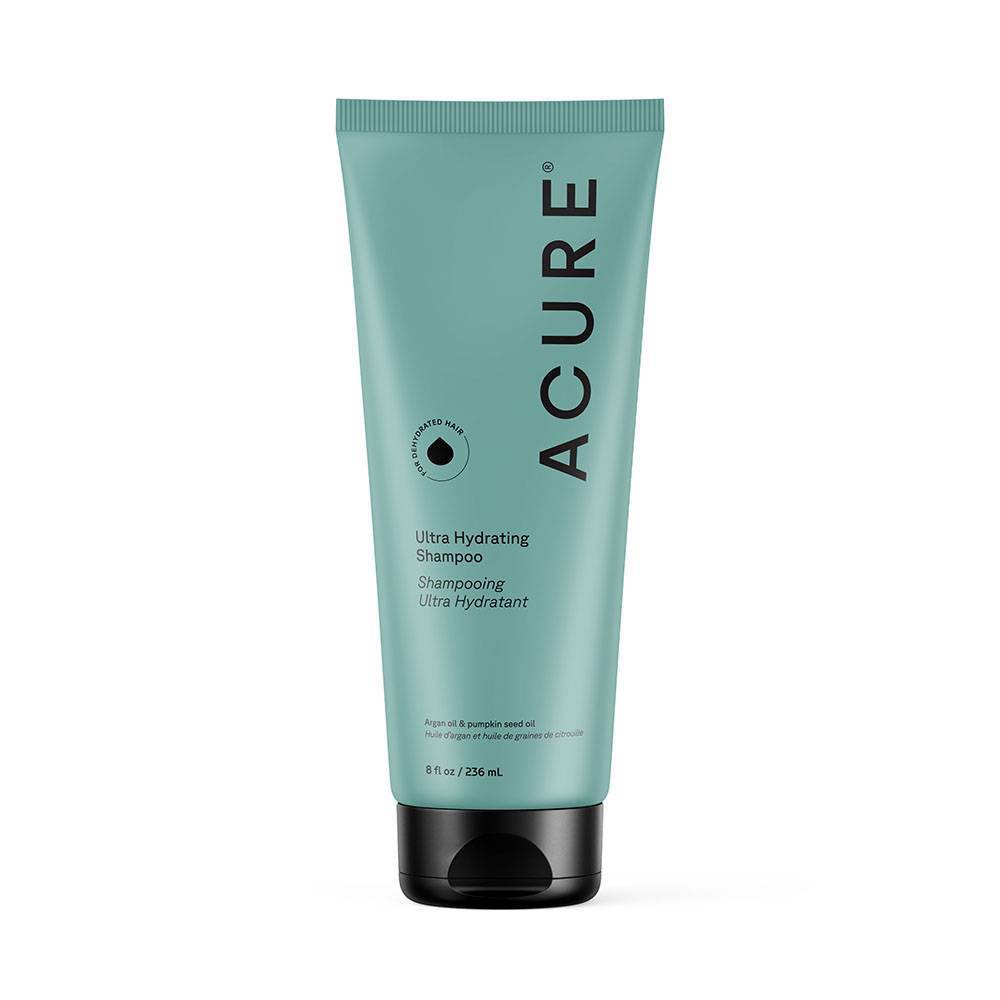

SheaMoisture Virgin Coconut Oil Shampoo Daily Hydration - 13 fl oz: Paraben-Free, Sulfate-Free, Liquid, All Hair Types
SheaMoistureAnalysis updated August 2026 · How Scout scores
At a glance
Summary
This shampoo features a sulfate-free and paraben-free formula with gentle coconut-derived surfactants, which are beneficial for maintaining hair and scalp health. It includes nourishing ingredients like coconut oil, shea butter, and aloe vera, which contribute to hydration and conditioning. However, the presence of fragrance, even as an essential oil blend, can be a potential irritant for sensitive individuals, slightly impacting its overall rating.
Key ingredients 30
Sodium Cocoyl IsethionateVery Good
Sodium Cocoyl Isethionate is a mild surfactant derived from coconut oil. It is known for its gentle cleansing properties and ability to produce a rich, creamy lather. It is suitable for sensitive skin and hair.
Risks
There are minimal risks, though it may cause mild irritation in some individuals.
Benefits
It provides effective cleansing without stripping natural oils, making it ideal for dry or sensitive hair.
Cocos Nucifera (Coconut) OilVery Good
Coconut oil is a natural oil extracted from the meat of coconuts. It is known for its moisturizing and conditioning properties, making it beneficial for hair health. It helps to reduce protein loss and improve hair strength.
Risks
There are minimal risks, though it may cause buildup if not rinsed properly.
Benefits
It deeply conditions the hair, leaving it soft and manageable.
Butyrospermum Parkii (Shea) ButterVery Good
Shea butter is a fat extracted from the nuts of the shea tree. It is known for its rich moisturizing and conditioning properties. It helps to nourish and protect the hair from environmental damage.
Risks
There are minimal risks, though it may cause buildup if used excessively.
Benefits
It deeply moisturizes and conditions the hair, improving softness and elasticity.
Argania Spinosa Kernel (Argan) OilVery Good
Argan oil is extracted from the kernels of the argan tree. It is known for its rich content of fatty acids and vitamin E, making it highly beneficial for hair health. It helps to moisturize and condition the hair, reducing frizz and improving manageability.
Risks
There are minimal risks, though it may cause buildup if used excessively.
Benefits
It deeply conditions the hair, leaving it smooth and shiny.
Decyl GlucosideGood
Decyl Glucoside is a mild, non-ionic surfactant derived from glucose and coconut oil. It is known for being gentle on the skin and hair, making it suitable for sensitive scalps. It effectively cleanses without stripping natural oils.
Risks
There are minimal risks associated with Decyl Glucoside, though some individuals may experience mild irritation.
Benefits
It provides gentle cleansing and is biodegradable, making it environmentally friendly.
Sodium Methyl Cocoyl TaurateGood
Sodium Methyl Cocoyl Taurate is a mild surfactant derived from coconut oil and taurine. It is used for its gentle cleansing properties and ability to produce a stable foam. It is considered safe and effective for use in hair care products.
Risks
There are minimal risks, though it may cause mild irritation in sensitive individuals.
Benefits
It provides gentle cleansing and helps maintain the natural moisture balance of the hair.
Glycerin (Vegetable)Good
Glycerin is a humectant derived from vegetable oils. It attracts moisture to the hair and skin, helping to keep them hydrated. It is widely used in cosmetics for its moisturizing properties.
Risks
There are minimal risks, though excessive use may lead to a sticky feel.
Benefits
It helps to maintain moisture levels in the hair, preventing dryness and frizz.
Caprylic/Capric TriglycerideGood
Caprylic/Capric Triglyceride is an emollient derived from coconut oil and glycerin. It is used to enhance the spreadability and absorption of products. It is considered safe and non-irritating.
Risks
There are minimal risks, though it may cause mild irritation in sensitive individuals.
Benefits
It provides a lightweight, non-greasy feel and helps to lock in moisture.
Aloe Barbadensis Leaf JuiceGood
Aloe vera juice is extracted from the leaves of the aloe plant. It is known for its soothing and hydrating properties, making it beneficial for both skin and hair. It helps to calm irritation and add moisture.
Risks
There are minimal risks, though some individuals may experience allergic reactions.
Benefits
It hydrates and soothes the scalp, promoting healthy hair growth.
PanthenolGood
Panthenol, also known as provitamin B5, is a humectant that attracts moisture to the hair. It is known for its ability to improve hair elasticity and strength. It is widely used in hair care products for its conditioning benefits.
Risks
There are minimal risks, though it may cause mild irritation in sensitive individuals.
Benefits
It enhances hair shine and softness, reducing breakage and split ends.
TocopherolGood
Tocopherol, also known as vitamin E, is an antioxidant that helps to protect the hair from environmental damage. It is used in cosmetic formulations for its moisturizing and protective properties. It is considered safe and beneficial for hair health.
Risks
There are minimal risks, though it may cause mild irritation in sensitive individuals.
Benefits
It helps to protect the hair from oxidative stress and improve its overall appearance.
Rosa Canina Fruit (Rosehip) OilGood
Rosehip oil is extracted from the seeds of the wild rose bush. It is rich in essential fatty acids and vitamins, making it beneficial for hair health. It is known for its moisturizing and nourishing properties.
Risks
There are minimal risks, though it may cause buildup if used excessively.
Benefits
It helps to nourish and hydrate the hair, improving its texture and shine.
Prunus Amygdalus Dulcis (Sweet Almond) OilGood
Sweet almond oil is extracted from the seeds of the almond tree. It is known for its moisturizing and nourishing properties, making it beneficial for hair health. It helps to soften and condition the hair, improving its overall appearance.
Risks
There are minimal risks, though it may cause buildup if used excessively.
Benefits
It helps to moisturize and nourish the hair, leaving it soft and manageable.
WaterNeutral
Water is a common solvent used in cosmetic formulations. It helps dissolve other ingredients and provides a base for the product. It is generally considered safe and non-reactive.
Risks
There are no significant risks associated with water in cosmetic products.
Benefits
Water helps to hydrate and distribute other ingredients evenly across the hair.
Cocamidopropyl BetaineNeutral
Standard formulation ingredient — neither beneficial nor harmful at typical use.
Risks
Some individuals may experience allergic reactions or irritation.
Benefits
It enhances foam and provides mild conditioning effects.
Sodium Lauroyl LactylateNeutral
Standard formulation ingredient — neither beneficial nor harmful at typical use.
Risks
There are minimal risks, though it may cause irritation in sensitive individuals.
Benefits
It enhances the texture and stability of the product while being gentle on the skin.
Glycol StearateNeutral
Glycol Stearate is an ester of stearic acid and ethylene glycol. It is used as an emulsifier and opacifier in cosmetic formulations. It helps to improve the texture and appearance of the product.
Risks
There are no significant risks associated with Glycol Stearate.
Benefits
It provides a pearlescent appearance and improves product consistency.
Algae ExtractNeutral
Algae extract is derived from various types of seaweed. It is used for its potential antioxidant and moisturizing properties. It is considered safe for use in cosmetic formulations.
Risks
There are minimal risks, though some individuals may experience allergic reactions.
Benefits
It may provide antioxidant benefits and help to retain moisture in the hair.
Equisetum Arvense (Horsetail) ExtractNeutral
Horsetail extract is derived from the horsetail plant and is known for its high silica content. It is used in hair care products for its potential strengthening properties. It is generally considered safe for use.
Risks
There are minimal risks, though some individuals may experience allergic reactions.
Benefits
It may help to strengthen hair and improve its overall health.
Coconut AcidNeutral
Coconut acid is derived from coconut oil and is used as a surfactant and emulsifier in cosmetic formulations. It helps to stabilize products and improve their texture. It is generally considered safe for use.
Risks
There are minimal risks, though it may cause mild irritation in sensitive individuals.
Benefits
It helps to improve the texture and stability of the product.
Acacia Senegal Gum ExtractNeutral
Acacia Senegal gum extract is derived from the sap of the acacia tree. It is used as a thickening agent and stabilizer in cosmetic formulations. It is generally considered safe for use.
Risks
There are minimal risks, though it may cause mild irritation in sensitive individuals.
Benefits
It helps to improve the texture and stability of the product.
Cocos Nucifera (Coconut) Fruit JuiceNeutral
Coconut fruit juice is derived from the liquid inside coconuts. It is used for its potential hydrating and nourishing properties. It is generally considered safe for use in cosmetic formulations.
Risks
There are minimal risks, though some individuals may experience allergic reactions.
Benefits
It may provide hydration and nourishment to the hair.
Caprylhydroxamic AcidNeutral
Caprylhydroxamic acid is a preservative used in cosmetic formulations. It is known for its ability to inhibit the growth of bacteria and fungi. It is considered safe for use in cosmetics.
Risks
There are minimal risks, though it may cause mild irritation in sensitive individuals.
Benefits
It helps to preserve the product and extend its shelf life.
Caprylyl GlycolNeutral
Caprylyl glycol is a humectant and skin conditioning agent used in cosmetic formulations. It helps to retain moisture and improve the texture of the product. It is considered safe for use in cosmetics.
Risks
There are minimal risks, though it may cause mild irritation in sensitive individuals.
Benefits
It helps to maintain moisture levels and improve the feel of the product.
Guar Hydroxypropyltrimonium ChlorideNeutral
Guar hydroxypropyltrimonium chloride is a conditioning agent derived from guar gum. It is used to improve the texture and manageability of hair. It is considered safe for use in cosmetic formulations.
Risks
There are minimal risks, though it may cause mild irritation in sensitive individuals.
Benefits
It helps to condition the hair and reduce static and frizz.
Polyquaternium-7Neutral
Polyquaternium-7 is a conditioning agent used in hair care products. It helps to improve the texture and manageability of hair. It is considered safe for use in cosmetic formulations.
Risks
There are minimal risks, though it may cause buildup if used excessively.
Benefits
It helps to condition the hair and reduce static and frizz.
Sodium PhytateNeutral
Sodium phytate is a chelating agent used in cosmetic formulations. It helps to stabilize products and improve their shelf life. It is considered safe for use in cosmetics.
Risks
There are minimal risks, though it may cause mild irritation in sensitive individuals.
Benefits
It helps to stabilize the product and improve its shelf life.
Stearamide AMPNeutral
Stearamide AMP is an emulsifier and thickening agent used in cosmetic formulations. It helps to improve the texture and stability of products. It is considered safe for use in cosmetics.
Risks
There are minimal risks, though it may cause mild irritation in sensitive individuals.
Benefits
It helps to improve the texture and stability of the product.
Sodium BenzoateBad
Synthetic preservative that can form benzene in the presence of vitamin C.
Risks
There are minimal risks, though it may cause mild irritation in sensitive individuals.
Benefits
It helps to preserve the product and extend its shelf life.
Fragrance (Essential Oil Blend)Very Bad
Fragrance in cosmetic products can be a blend of various essential oils and synthetic compounds. It is used to impart a pleasant scent to the product. However, it can cause allergic reactions and irritation in sensitive individuals.
Risks
Fragrance can cause skin irritation, allergic reactions, and may contain undisclosed synthetic chemicals.
Benefits
It provides a pleasant scent to the product, enhancing the user experience.
Processing
Processed Foods
Get the full breakdown in the Scout appTake Scout shopping
Scan any product to see lab results, healthy alternatives, and your personalized analysis.
Download on theApp Store GET IT ONGoogle PlayAmazon pricing & content
Amazon price as of . Product prices and availability are accurate as of the date/time indicated and are subject to change. Any price and availability information displayed on Amazon.com at the time of purchase will apply to the purchase of this product.
CERTAIN CONTENT THAT APPEARS ON THIS SITE COMES FROM AMAZON. THIS CONTENT IS PROVIDED “AS IS” AND IS SUBJECT TO CHANGE OR REMOVAL AT ANY TIME.