
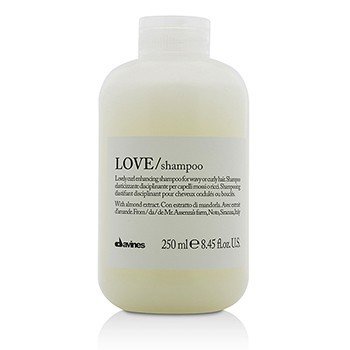

Davines LOVE Curl Shampoo | Wavy & Curly Hair Shampoo | Smooth and Moisturize Curls with Almond Extract | 8.45 fl oz
Analysis updated July 2026 · How Scout scores
At a glance
Summary
This shampoo contains several beneficial ingredients such as mild surfactants derived from coconut oil and sweet almond seed extract, which are known for their gentle cleansing and moisturizing properties. However, the presence of sodium chloride, synthetic fragrance, and benzyl alcohol, which can be drying or irritating, slightly detracts from its overall safety profile. The product is processed, which limits its potential score despite the inclusion of some high-quality ingredients.
Key ingredients 30
Prunus Amygdalus Dulcis Seed Extract/Prunus Amygdalus Dulcis (Sweet Almond) Seed ExtractVery Good
Sweet Almond Seed Extract is known for its moisturizing and nourishing properties. It is rich in vitamins and fatty acids that help to improve hair health. It is considered safe and beneficial for most hair types.
Risks
There are minimal risks, though individuals with nut allergies should exercise caution.
Benefits
Provides deep nourishment and hydration, improving hair softness and shine.
Coco-GlucosideVery Good
Coco-Glucoside is a mild, non-ionic surfactant derived from coconut oil and glucose. It is known for being very gentle and suitable for sensitive skin. It is biodegradable and considered environmentally friendly.
Risks
There are minimal risks associated with this ingredient.
Benefits
Provides gentle cleansing and is suitable for sensitive skin types.
Sodium Lauroyl Methyl IsethionateGood
This is a mild surfactant derived from coconut oil, known for its gentle cleansing properties. It helps to create a rich lather without stripping the hair of its natural oils. It is considered safe and effective for sensitive skin.
Risks
There are minimal risks associated with this ingredient, though some individuals may experience mild irritation.
Benefits
It provides gentle cleansing and is less likely to cause dryness compared to harsher surfactants.
GlycerinGood
Glycerin is a humectant that attracts moisture to the hair and skin, helping to maintain hydration. It is widely used in cosmetics for its moisturizing properties. It is considered safe and beneficial for most skin types.
Risks
There are minimal risks, though excessive use can lead to a sticky feel.
Benefits
Helps to keep hair and skin hydrated, improving softness and elasticity.
Decyl GlucosideGood
Decyl Glucoside is a non-ionic surfactant derived from glucose and coconut oil. It is known for being very gentle and suitable for sensitive skin. It is biodegradable and considered environmentally friendly.
Risks
There are minimal risks associated with this ingredient.
Benefits
Provides gentle cleansing and is suitable for sensitive skin types.
Sodium Cocoyl GlycinateGood
This is a mild surfactant derived from coconut oil and glycine, an amino acid. It is known for its gentle cleansing properties and ability to leave hair feeling soft. It is considered safe and effective for sensitive skin.
Risks
Minimal risks, though some individuals may experience mild irritation.
Benefits
Provides gentle cleansing and conditioning effects, leaving hair soft.
Aqua/Water/EauNeutral
Water is a universal solvent and is used as a base in many cosmetic products. It helps to dissolve other ingredients and provides a medium for them to function. It does not have any direct benefits or risks in the formulation.
Risks
There are no known risks associated with water in cosmetic formulations.
Benefits
Water acts as a carrier for other ingredients, allowing them to be evenly distributed.
Cocamidopropyl BetaineNeutral
Cocamidopropyl Betaine is a surfactant and foam booster derived from coconut oil. It is commonly used to enhance the texture and feel of personal care products. While generally considered safe, it can cause irritation in some individuals.
Risks
Potential for skin irritation, especially in sensitive individuals.
Benefits
Improves the lather and feel of the product, enhancing user experience.
Sodium Lauryl SulfoacetateNeutral
Sodium Lauryl Sulfoacetate is a mild surfactant used for its cleansing and foaming properties. It is often used as an alternative to harsher sulfates. It is generally considered safe for use in personal care products.
Risks
May cause mild irritation in sensitive individuals.
Benefits
Provides effective cleansing without the harshness of traditional sulfates.
Disodium CocoamphodiacetateNeutral
This is a mild surfactant derived from coconut oil, used to enhance the cleansing properties of shampoos. It is known for being gentle on the skin and hair. It is considered safe for most users.
Risks
Rarely, it may cause mild irritation.
Benefits
Enhances the cleansing ability of the product while being gentle.
Sodium ChlorideNeutral
Standard formulation ingredient — neither beneficial nor harmful at typical use.
Risks
May cause dryness and irritation, especially in sensitive individuals.
Benefits
Helps to thicken the product, improving texture and application.
Polysorbate 20Neutral
Polysorbate 20 is an emulsifier used to stabilize formulations and improve texture. It is derived from sorbitol and is generally considered safe for use in cosmetics. It helps to blend oil and water-based ingredients.
Risks
May cause mild irritation in some individuals.
Benefits
Improves product stability and texture, enhancing user experience.
Sodium Methyl 2-SulfolaurateNeutral
This ingredient is a mild surfactant used for its cleansing properties. It is considered a safer alternative to harsher sulfates. It is generally well-tolerated by most skin types.
Risks
May cause mild irritation in sensitive individuals.
Benefits
Provides effective cleansing while being gentle on the skin.
Polyquaternium-70Neutral
Polyquaternium-70 is a conditioning agent used to improve the texture and manageability of hair. It helps to reduce static and frizz. It is generally considered safe for use in hair care products.
Risks
May cause buildup on the hair with prolonged use.
Benefits
Improves hair manageability and reduces frizz, enhancing appearance.
Disodium 2-SulfolaurateNeutral
This is a mild surfactant used for its cleansing properties. It is considered a safer alternative to harsher sulfates. It is generally well-tolerated by most skin types.
Risks
May cause mild irritation in sensitive individuals.
Benefits
Provides effective cleansing while being gentle on the skin.
Polyquaternium-7Neutral
Polyquaternium-7 is a conditioning agent used to improve the texture and manageability of hair. It helps to reduce static and frizz. It is generally considered safe for use in hair care products.
Risks
May cause buildup on the hair with prolonged use.
Benefits
Improves hair manageability and reduces frizz, enhancing appearance.
Polyquaternium-10Neutral
Polyquaternium-10 is a conditioning agent that helps to improve the texture and manageability of hair. It is known for its ability to reduce static and frizz. It is generally considered safe for use in hair care products.
Risks
May cause buildup on the hair with prolonged use.
Benefits
Enhances hair manageability and reduces frizz, improving appearance.
Trisodium Ethylenediamine DisuccinateNeutral
This ingredient is a chelating agent used to improve the stability and efficacy of cosmetic formulations. It helps to bind metal ions, preventing them from affecting the product. It is generally considered safe for use in personal care products.
Risks
There are minimal risks associated with this ingredient.
Benefits
Improves product stability and efficacy by binding metal ions.
Glycol DistearateNeutral
Glycol Distearate is used as an opacifying agent and emollient in cosmetic formulations. It helps to improve the texture and appearance of the product. It is generally considered safe for use in personal care products.
Risks
May cause mild irritation in sensitive individuals.
Benefits
Enhances product texture and appearance, improving user experience.
Dipropylene GlycolNeutral
Dipropylene Glycol is used as a solvent and humectant in cosmetic formulations. It helps to improve the texture and feel of the product. It is generally considered safe for use in personal care products.
Risks
May cause mild irritation in sensitive individuals.
Benefits
Improves product texture and feel, enhancing user experience.
Tetrasodium Glutamate DiacetateNeutral
This ingredient is a chelating agent used to improve the stability and efficacy of cosmetic formulations. It helps to bind metal ions, preventing them from affecting the product. It is generally considered safe for use in personal care products.
Risks
There are minimal risks associated with this ingredient.
Benefits
Improves product stability and efficacy by binding metal ions.
Sodium HydroxideNeutral
Sodium Hydroxide is used to adjust the pH of cosmetic formulations. It is effective at ensuring the product is at the correct pH for stability and performance. It is generally considered safe when used in appropriate concentrations.
Risks
Can be irritating in high concentrations, but is typically used in very small amounts.
Benefits
Ensures the product is at the correct pH for optimal performance.
Glyceryl OleateNeutral
Glyceryl Oleate is an emulsifier and emollient used to improve the texture and feel of cosmetic products. It helps to blend oil and water-based ingredients. It is generally considered safe for use in personal care products.
Risks
May cause mild irritation in sensitive individuals.
Benefits
Improves product texture and feel, enhancing user experience.
Glyceryl StearateNeutral
Glyceryl Stearate is an emulsifier and emollient used to improve the texture and feel of cosmetic products. It helps to blend oil and water-based ingredients. It is generally considered safe for use in personal care products.
Risks
May cause mild irritation in sensitive individuals.
Benefits
Improves product texture and feel, enhancing user experience.
Citric AcidNeutral
Citric Acid is used to adjust the pH of cosmetic formulations. It is effective at ensuring the product is at the correct pH for stability and performance. It is generally considered safe when used in appropriate concentrations.
Risks
Can be irritating in high concentrations, but is typically used in very small amounts.
Benefits
Ensures the product is at the correct pH for optimal performance.
Benzyl AlcoholBad
Benzyl Alcohol is used as a preservative and solvent in cosmetics. While it is effective at preventing microbial growth, it can be drying and irritating to the skin. It is considered a potential allergen for sensitive individuals.
Risks
Can cause skin irritation and dryness, especially in sensitive individuals.
Benefits
Acts as a preservative, extending the shelf life of the product.
Acrylates/C10-30 Alkyl Acrylate CrosspolymerBad
Processed additive flagged under Scout's ingredient doctrine.
Risks
May cause mild irritation in sensitive individuals.
Benefits
Enhances product texture and stability, improving application.
Sodium BenzoateBad
Synthetic preservative that can form benzene in the presence of vitamin C.
Risks
May cause irritation in sensitive individuals, especially in high concentrations.
Benefits
Prevents microbial growth, ensuring product safety and longevity.
LimoneneBad
Processed additive flagged under Scout's ingredient doctrine.
Risks
Potential for skin irritation, especially in sensitive individuals.
Benefits
Provides a fresh, citrus scent, enhancing the sensory experience of the product.
Parfum/FragranceVery Bad
Synthetic fragrances are often used to impart a pleasant scent to products. However, they can contain a mix of undisclosed chemicals that may cause irritation or allergic reactions. They are considered a common cause of contact dermatitis.
Risks
Potential for allergic reactions and skin irritation.
Benefits
Provides a pleasant scent, enhancing the sensory experience of the product.
Get the full breakdown in the Scout appTake Scout shopping
Scan any product to see lab results, healthy alternatives, and your personalized analysis.
Download on theApp Store GET IT ONGoogle Play