

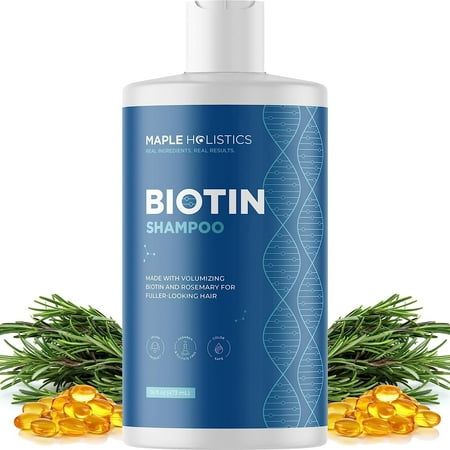

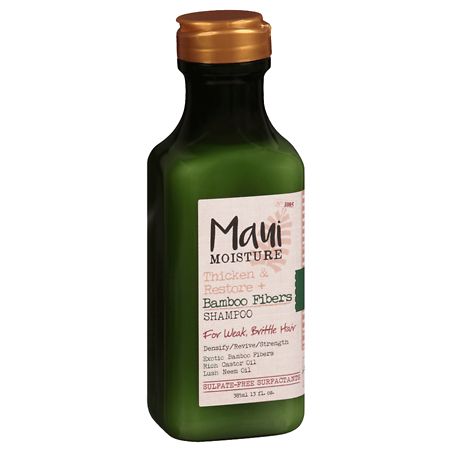
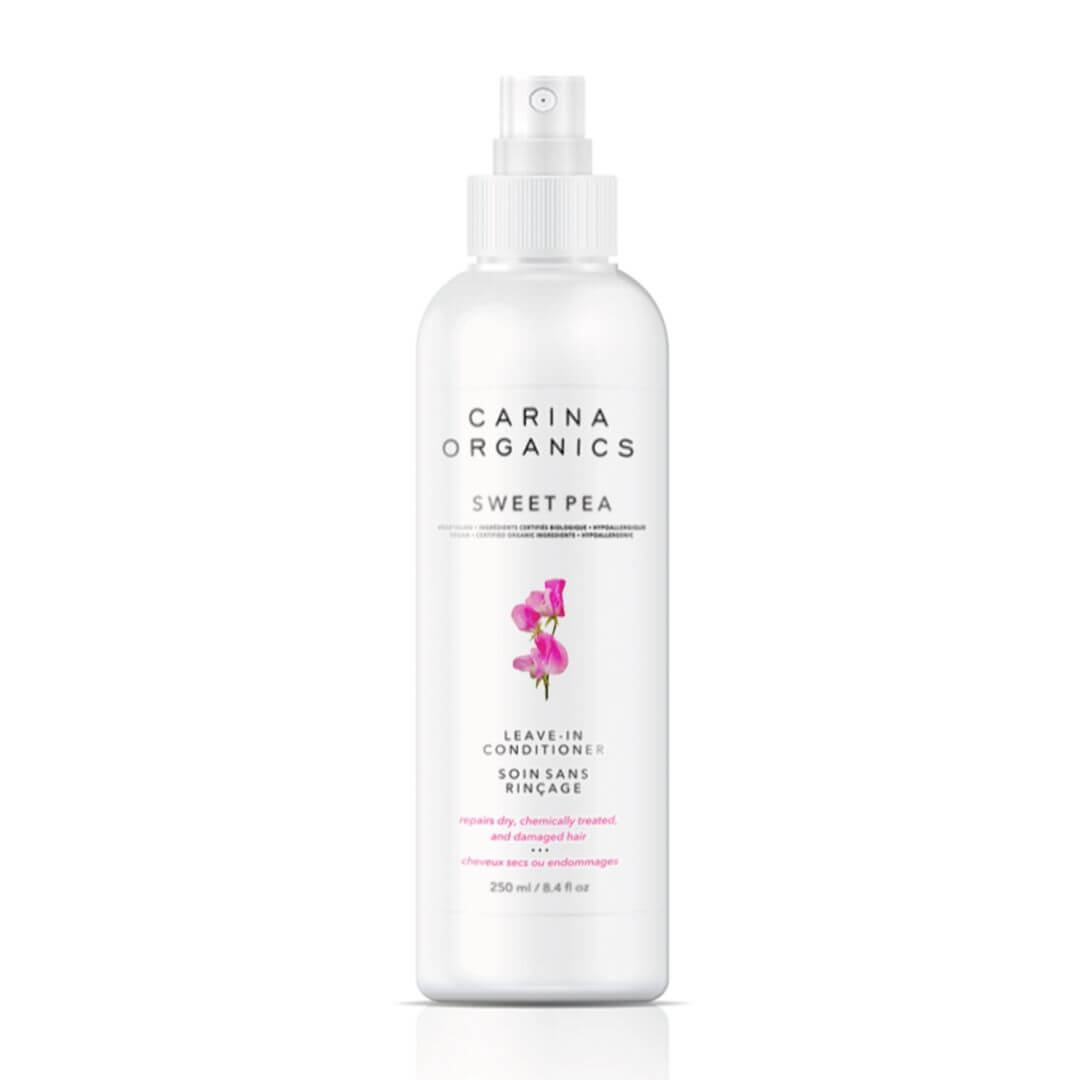
Vegamour GRO+ Advanced Balancing Shampoo for Severe Signs of Thinning, Size: 8 FL Oz, None
Analysis updated August 2026 · How Scout scores
At a glance
Summary
This shampoo contains several beneficial ingredients such as Decyl Glucoside and Cocamidopropyl Hydroxysultaine, which are gentle surfactants derived from coconut oil, providing a mild cleansing action. However, the presence of Sodium C14-16 Olefin Sulfonate, which can be harsh and strip natural oils, and Sodium Chloride, which may cause dryness, slightly detracts from its overall safety and effectiveness. The product is moderately processed, which also influences its rating.
Key ingredients 34
Lauryl GlucosideVery Good
Lauryl Glucoside is a mild, non-ionic surfactant derived from glucose and coconut oil. It is gentle on the skin and hair, making it suitable for sensitive scalps. It effectively cleanses without stripping natural oils.
Risks
Generally considered safe with minimal risk of irritation.
Benefits
Provides gentle cleansing and is biodegradable, making it environmentally friendly.
Coco-GlucosideVery Good
Coco-Glucoside is a mild, non-ionic surfactant derived from coconut oil and glucose. It is gentle on the skin and hair, making it suitable for sensitive scalps. It effectively cleanses without stripping natural oils.
Risks
Generally considered safe with minimal risk of irritation.
Benefits
Provides gentle cleansing and is biodegradable, making it environmentally friendly.
Sclerocarya Birrea Seed OilVery Good
Sclerocarya Birrea Seed Oil, also known as Marula Oil, is rich in antioxidants and fatty acids. It helps to nourish and moisturize the hair and scalp. It is often used in hair care products for its conditioning benefits.
Risks
Generally considered safe with minimal risk.
Benefits
Nourishes and moisturizes the hair and scalp.
Decyl GlucosideGood
Decyl Glucoside is a mild, non-ionic surfactant derived from glucose and coconut oil. It is gentle on the skin and hair, making it suitable for sensitive scalps. It effectively cleanses without stripping natural oils.
Risks
Generally considered safe with minimal risk of irritation.
Benefits
Provides gentle cleansing and is biodegradable, making it environmentally friendly.
Cocamidopropyl HydroxysultaineGood
Cocamidopropyl Hydroxysultaine is a mild surfactant derived from coconut oil. It helps to create a rich lather and is less irritating than traditional sulfates. It is often used in formulations for sensitive skin.
Risks
Low risk of irritation compared to harsher surfactants.
Benefits
Provides gentle cleansing and conditioning properties.
Lauramidopropyl BetaineGood
Lauramidopropyl Betaine is a mild surfactant that helps to stabilize foam and improve the texture of the product. It is derived from coconut oil and is considered gentle on the skin and hair. It enhances the cleansing ability of the formulation.
Risks
Minimal risk of irritation.
Benefits
Improves product texture and provides mild cleansing.
GlycerinGood
Glycerin is a humectant that attracts moisture to the hair and scalp. It helps to maintain hydration and prevent dryness. It is widely used in hair care products for its moisturizing properties.
Risks
Generally safe with low risk of irritation.
Benefits
Helps to keep hair and scalp hydrated and soft.
Disodium Cocoyl GlutamateGood
Disodium Cocoyl Glutamate is a mild surfactant derived from coconut oil and glutamic acid. It is gentle on the skin and hair and helps to cleanse without stripping natural oils. It is suitable for sensitive skin.
Risks
Low risk of irritation.
Benefits
Provides gentle cleansing and is biodegradable.
Rheum Rhaponticum Root ExtractGood
Rheum Rhaponticum Root Extract is known for its antioxidant properties. It helps to protect the hair and scalp from environmental damage. It is often used in hair care products for its conditioning benefits.
Risks
Generally considered safe with minimal risk.
Benefits
Provides antioxidant protection and conditioning benefits.
Chlorella Vulgaris ExtractGood
Chlorella Vulgaris Extract is rich in vitamins and minerals that nourish the hair and scalp. It is known for its antioxidant properties and helps to protect against environmental damage. It is often used in hair care products for its conditioning benefits.
Risks
Low risk of irritation.
Benefits
Nourishes and protects the hair and scalp.
Callicarpa Japonica Fruit ExtractGood
Callicarpa Japonica Fruit Extract is known for its antioxidant properties. It helps to protect the hair and scalp from environmental damage. It is often used in hair care products for its conditioning benefits.
Risks
Generally considered safe with minimal risk.
Benefits
Provides antioxidant protection and conditioning benefits.
Epilobium Angustifolium Flower/Leaf/Stem ExtractGood
Epilobium Angustifolium Extract is known for its soothing and anti-inflammatory properties. It helps to calm the scalp and reduce irritation. It is often used in hair care products for its conditioning benefits.
Risks
Low risk of irritation.
Benefits
Soothes the scalp and reduces irritation.
BiotinGood
Biotin is a vitamin that supports hair health and growth. It is often included in hair care products to strengthen hair and improve its appearance. It is considered beneficial for maintaining healthy hair.
Risks
Generally safe with low risk of irritation.
Benefits
Supports hair health and growth.
PanthenolGood
Panthenol, also known as Provitamin B5, is a moisturizing agent that helps to improve hair elasticity and hydration. It is widely used in hair care products for its conditioning benefits. It helps to strengthen and protect the hair.
Risks
Generally safe with low risk of irritation.
Benefits
Improves hair elasticity and hydration.
NiacinamideGood
Niacinamide is a form of Vitamin B3 that supports scalp health and improves hair texture. It is known for its anti-inflammatory properties and helps to soothe the scalp. It is often used in hair care products for its conditioning benefits.
Risks
Generally considered safe with minimal risk.
Benefits
Supports scalp health and improves hair texture.
Water/Aqua/EauNeutral
Water is a common solvent used in cosmetic formulations. It helps dissolve other ingredients and provides a base for the product. It does not have any direct benefits or risks.
Benefits
Provides a medium for other ingredients to be delivered effectively.
Propanediol CaprylateNeutral
Propanediol Caprylate is used as a solvent and skin-conditioning agent. It helps to improve the texture of the product and enhance the delivery of active ingredients. It is generally considered safe for use in cosmetics.
Risks
Low risk of irritation.
Benefits
Improves product texture and enhances ingredient delivery.
Sodium Methyl 2-Sulfolaurate and Disodium 2-SulfolaurateNeutral
These are mild surfactants used for their cleansing properties. They are considered less irritating than traditional sulfates. They help to create a rich lather and improve the texture of the product.
Risks
Low risk of irritation compared to harsher surfactants.
Benefits
Provide mild cleansing and improve product texture.
Guar Hydroxypropyltrimonium ChlorideNeutral
Guar Hydroxypropyltrimonium Chloride is a conditioning agent derived from guar gum. It helps to improve the texture of the hair and reduce static. It is commonly used in hair care products for its conditioning properties.
Risks
Low risk of irritation.
Benefits
Improves hair texture and reduces static.
Sodium Lauryl SulfoacetateNeutral
Sodium Lauryl Sulfoacetate is a mild surfactant used for its cleansing properties. It is considered less irritating than traditional sulfates. It helps to create a rich lather and improve the texture of the product.
Risks
Low risk of irritation compared to harsher surfactants.
Benefits
Provides mild cleansing and improves product texture.
Polyquaternium-73Neutral
Polyquaternium-73 is a conditioning agent used to improve the texture of the hair. It helps to reduce static and enhance the feel of the hair. It is commonly used in hair care products for its conditioning properties.
Risks
Low risk of irritation.
Benefits
Improves hair texture and reduces static.
Butylene GlycolNeutral
Butylene Glycol is a solvent and conditioning agent used in cosmetics. It helps to improve the texture of the product and enhance the delivery of active ingredients. It is generally considered safe for use in cosmetics.
Risks
Low risk of irritation.
Benefits
Improves product texture and enhances ingredient delivery.
Sodium ChlorideNeutral
Standard formulation ingredient — neither beneficial nor harmful at typical use.
Risks
Potential to cause dryness and irritation to the scalp.
Benefits
Helps to thicken the product and improve texture.
CaffeineNeutral
Standard formulation ingredient — neither beneficial nor harmful at typical use.
Risks
Generally safe with low risk of irritation.
Benefits
Promotes hair growth and strengthens hair follicles.
Sodium SulfateNeutral
Sodium Sulfate is used as a filler and thickening agent in shampoos. It helps to improve the texture of the product. It is generally considered safe for use in cosmetics.
Risks
Low risk of irritation.
Benefits
Improves product texture.
C10-16 AlcoholsNeutral
C10-16 Alcohols are fatty alcohols used as emollients and thickening agents in cosmetics. They help to improve the texture of the product and provide conditioning benefits. They are generally considered safe for use in cosmetics.
Risks
Low risk of irritation.
Benefits
Provide conditioning benefits and improve product texture.
Hydroxypropyl CyclodextrinNeutral
Hydroxypropyl Cyclodextrin is used as a stabilizer and solubilizer in cosmetics. It helps to improve the texture of the product and enhance the delivery of active ingredients. It is generally considered safe for use in cosmetics.
Risks
Low risk of irritation.
Benefits
Improves product texture and enhances ingredient delivery.
PropanediolNeutral
Propanediol is used as a solvent and skin-conditioning agent. It helps to improve the texture of the product and enhance the delivery of active ingredients. It is generally considered safe for use in cosmetics.
Risks
Low risk of irritation.
Benefits
Improves product texture and enhances ingredient delivery.
Tetrasodium Glutamate DiacetateNeutral
Tetrasodium Glutamate Diacetate is a chelating agent used to improve the stability of cosmetic formulations. It helps to enhance the effectiveness of preservatives. It is generally considered safe for use in cosmetics.
Risks
Low risk of irritation.
Benefits
Improves product stability and enhances preservative effectiveness.
Polyquaternium-7Neutral
Polyquaternium-7 is a conditioning agent used to improve the texture of the hair. It helps to reduce static and enhance the feel of the hair. It is commonly used in hair care products for its conditioning properties.
Risks
Low risk of irritation.
Benefits
Improves hair texture and reduces static.
Sodium Starch OctenylsuccinateNeutral
Sodium Starch Octenylsuccinate is used as a thickening agent in cosmetics. It helps to improve the texture of the product. It is generally considered safe for use in cosmetics.
Risks
Low risk of irritation.
Benefits
Improves product texture.
Lactic AcidNeutral
Lactic Acid is an alpha hydroxy acid used to adjust the pH of cosmetic formulations. It helps to exfoliate the scalp and improve the texture of the hair. It is generally considered safe for use in cosmetics.
Risks
Low risk of irritation when used in appropriate concentrations.
Benefits
Exfoliates the scalp and improves hair texture.
Citric AcidNeutral
Citric Acid is used to adjust the pH of cosmetic formulations. It helps to improve the stability of the product. It is generally considered safe for use in cosmetics.
Risks
Low risk of irritation when used in appropriate concentrations.
Benefits
Improves product stability.
Sodium C14-16 Olefin SulfonateBad
Sodium C14-16 Olefin Sulfonate is a surfactant used for its cleansing properties. It can be harsh and may strip natural oils from the hair and scalp. It is often used as a substitute for sulfates but can still cause dryness.
Risks
Potential to cause dryness and irritation to the scalp.
Benefits
Effective at removing dirt and oil from the hair.
Get the full breakdown in the Scout appTake Scout shopping
Scan any product to see lab results, healthy alternatives, and your personalized analysis.
Download on theApp Store GET IT ONGoogle PlayAmazon pricing & content
Amazon price as of . Product prices and availability are accurate as of the date/time indicated and are subject to change. Any price and availability information displayed on Amazon.com at the time of purchase will apply to the purchase of this product.
CERTAIN CONTENT THAT APPEARS ON THIS SITE COMES FROM AMAZON. THIS CONTENT IS PROVIDED “AS IS” AND IS SUBJECT TO CHANGE OR REMOVAL AT ANY TIME.