

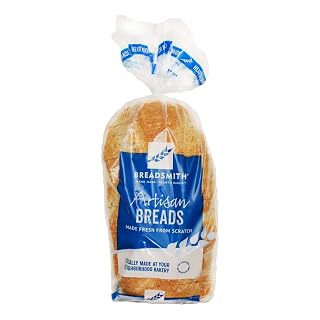


At a glance
Summary
The French Loaf is made with enriched flour, which is a processed ingredient, and contains a moderate amount of salt. While it lacks harmful additives like high-fructose corn syrup or artificial dyes, its processing level and use of refined flour limit its health benefits compared to more wholesome bread options. The ingredient list is relatively clean, but the presence of enriched flour and the processing level prevent it from scoring higher.
Key ingredients 6
WaterNeutral
Water is a neutral ingredient used as a solvent and to provide moisture in the dough. It does not contribute any calories or nutrients. It is essential for the dough formation and yeast activation.
See more about Water →Sour cultureNeutral
Sour culture is used to ferment the dough, contributing to the flavor and texture of the bread. It can enhance the bread's digestibility and shelf life. The fermentation process may also increase the availability of certain nutrients.
Benefits
May improve digestibility and nutrient availability through fermentation.
SaltNeutral
Salt is used to enhance flavor and control yeast activity in bread making. It is a common ingredient in processed foods. Excessive consumption can lead to health issues such as hypertension.
Risks
High sodium intake can contribute to hypertension and cardiovascular issues.
Benefits
Enhances flavor and helps control yeast fermentation in bread.
YeastNeutral
Yeast is a microorganism used to leaven bread, creating a light and airy texture. It ferments sugars in the dough, producing carbon dioxide and alcohol. Yeast is a natural ingredient with no significant health concerns.
Benefits
Essential for leavening bread and contributing to its texture and flavor.
SemolinaNeutral
Semolina is a coarse flour made from durum wheat, often used in pasta and bread. It provides a distinct texture and flavor to baked goods. While it is less refined than white flour, it is still not as nutrient-dense as whole grains.
Risks
May contribute to blood sugar spikes similar to other refined grains.
Benefits
Adds texture and flavor to bread, with slightly more nutrients than highly refined flours.
Unbleached enriched flourBad
Processed additive flagged under Scout's ingredient doctrine.
Risks
May contribute to blood sugar spikes and lacks the fiber content of whole grains.
Benefits
Provides essential vitamins and minerals such as niacin, iron, and folic acid due to enrichment.
Processing
Processed Foods
Get the full breakdown in the Scout appTake Scout shopping
Scan any product to see lab results, healthy alternatives, and your personalized analysis.
Download on theApp Store GET IT ONGoogle Play