



At a glance
Summary
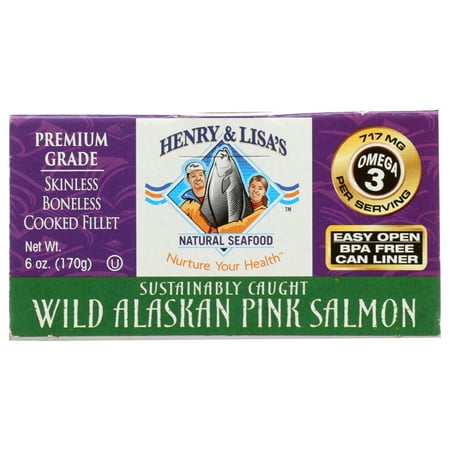
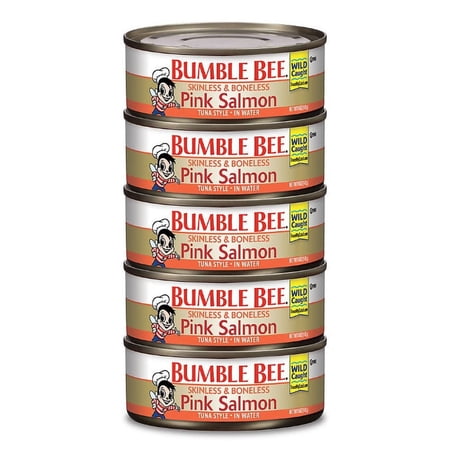
This product contains wild pink salmon, which is a high-quality source of protein and omega-3 fatty acids, beneficial for heart and brain health. However, the inclusion of sodium tripolyphosphates as a preservative introduces a synthetic additive that can increase sodium intake and pose potential health concerns. The processing level limits the score, despite the presence of beneficial nutrients.
Key ingredients 2
SalmonGood
Salmon is a high-quality source of protein and omega-3 fatty acids, which are beneficial for heart and brain health. It is a whole food with minimal processing, providing essential nutrients like vitamin D and selenium. Wild-caught salmon is generally considered superior due to its natural diet and lower contaminant levels.
Risks
Potential risks include exposure to environmental contaminants like mercury, though wild-caught varieties typically have lower levels.
Benefits
Rich in omega-3 fatty acids, which support cardiovascular health and reduce inflammation. Provides high-quality protein and essential nutrients such as vitamin D and selenium.
Sodium TripolyphosphatesBad
Sodium tripolyphosphates are used as preservatives to retain moisture and improve texture in seafood products. They are synthetic additives that can lead to increased sodium intake and potential health concerns. Overconsumption of phosphates may affect kidney function and bone health.
Risks
Excessive intake of phosphates can lead to imbalances in calcium and phosphorus, potentially affecting bone health and kidney function.
Processing
Processed Foods
Get the full breakdown in the Scout appTake Scout shopping
Scan any product to see lab results, healthy alternatives, and your personalized analysis.
Download on theApp Store GET IT ONGoogle Play