
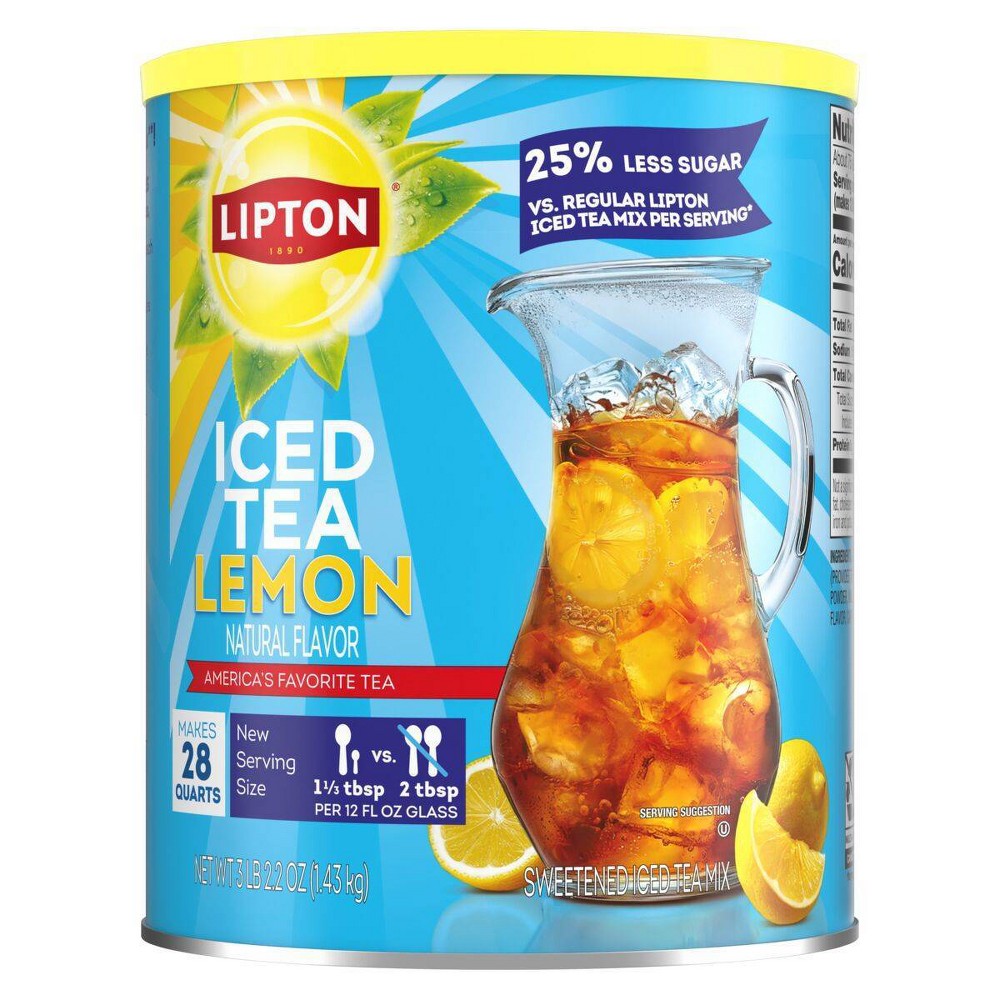

Lipton Reduced Sugar Lemon Iced Tea Mix - 50.2oz: Caffeinated
Analysis updated September 2026 · How Scout scores
At a glance
Summary
This iced tea mix contains a high amount of added sugar, which significantly impacts its nutritional quality and healthfulness. The presence of maltodextrin and natural flavors contributes to its processed nature, reducing its overall score. While it includes instant tea powder, which offers some antioxidants, the high sugar content and processed ingredients overshadow these benefits.
Key ingredients 6
Instant Tea PowderGood
Instant tea powder is derived from tea leaves and retains some of the beneficial antioxidants found in tea. It provides a convenient way to enjoy tea's health benefits, such as polyphenols that support heart health. However, the processing may reduce some of the natural compounds compared to freshly brewed tea.
Benefits
Contains antioxidants that may help reduce the risk of chronic diseases and support cardiovascular health.
Citric AcidNeutral
Citric acid is a natural acid found in citrus fruits, used to provide tartness and preserve freshness. It is generally recognized as safe and is commonly used in food products. While it enhances flavor, it does not contribute significant nutritional value.
Risks
Excessive consumption may cause dental erosion due to its acidic nature.
Carrot JuiceNeutral
Carrot juice is used for natural coloring and provides a source of beta-carotene, a precursor to vitamin A. However, in small quantities used for coloring, it does not significantly contribute to nutritional intake. It is a better alternative to artificial dyes.
Benefits
Provides natural coloring and a source of beta-carotene, though in minimal amounts.
Cane SugarBad
Cane sugar is a refined sugar that contributes to high caloric intake without providing essential nutrients. Excessive consumption of added sugars is linked to various health issues, including obesity and metabolic syndrome. In this product, it significantly increases the sugar content, which is a concern for overall health.
Risks
High intake of added sugars can lead to weight gain, increased risk of heart disease, and type 2 diabetes.
MaltodextrinBad
Maltodextrin is a highly processed carbohydrate used as a thickener or filler in food products. It has a high glycemic index, which can cause spikes in blood sugar levels. Its presence in processed foods is often associated with reduced nutritional quality.
Risks
May cause rapid blood sugar spikes and is often used in processed foods with low nutritional value.
Natural FlavorBad
Natural flavors are additives used to enhance taste, but they are often vague and can include a variety of chemical compounds. The lack of transparency in their composition raises concerns about potential allergens and synthetic chemicals. They contribute to the ultra-processed nature of the product.
Risks
Potential allergens and synthetic chemicals may be present, with unknown long-term health effects.
Processing
Processed Foods
Get the full breakdown in the Scout appTake Scout shopping
Scan any product to see lab results, healthy alternatives, and your personalized analysis.
Download on theApp Store GET IT ONGoogle Play