


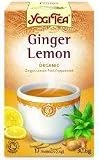
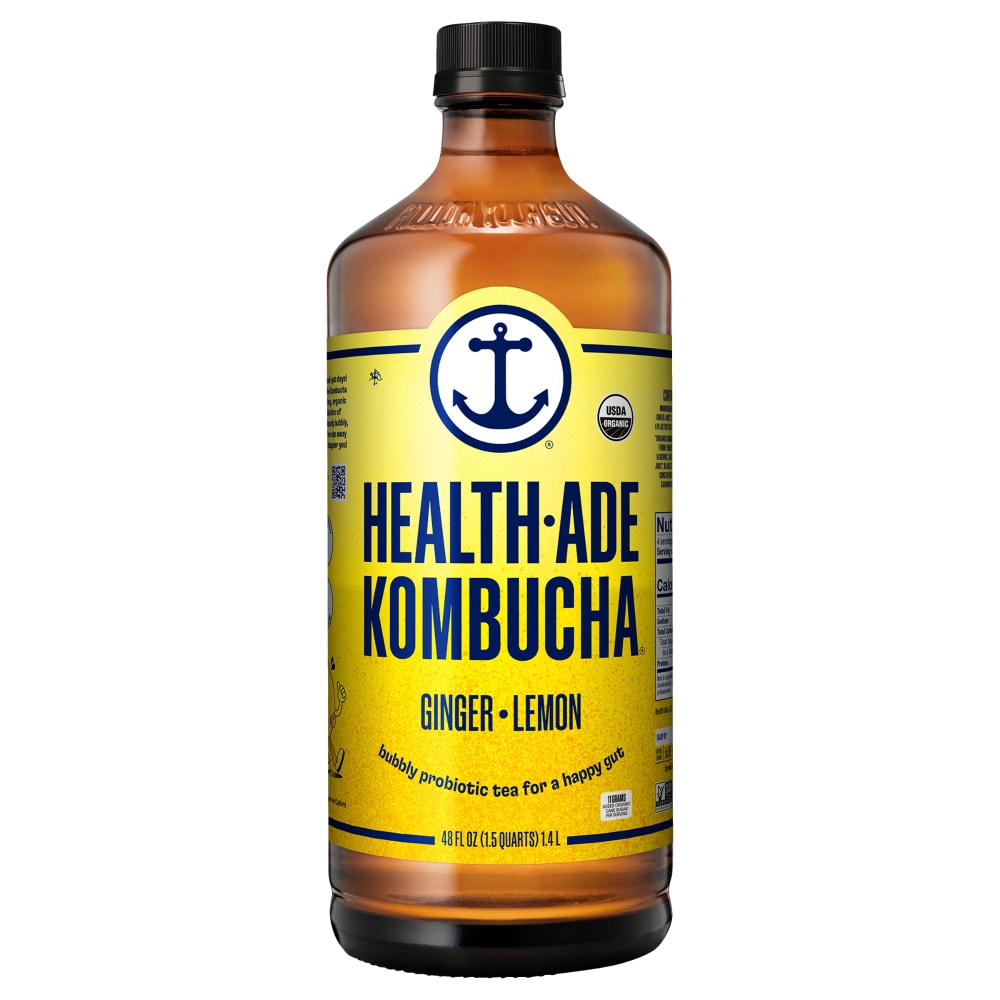

At a glance
Summary
This tea contains beneficial ingredients like ginger and honey, which offer anti-inflammatory and antioxidant properties. However, it is heavily sweetened with sugar, contributing to high caloric content and potential metabolic issues. The presence of carrageenan and natural lemon flavoring raises concerns about digestive health and ingredient transparency, impacting the overall healthiness of the product.
Key ingredients 12
Ginger SugaringGood
Ginger sugaring is considered good due to the presence of ginger, which has anti-inflammatory and antioxidant properties. The sugaring process may add sugar content, but the health benefits of ginger are significant. Ginger is known to aid digestion and reduce nausea.
Risks
The added sugar content may pose a risk if consumed in excess.
Benefits
Ginger provides anti-inflammatory and digestive benefits.
Lemon ConcentrateGood
Lemon concentrate is good due to its vitamin C content and antioxidant properties. It is a concentrated form of lemon juice, providing a tangy flavor and nutritional benefits. It supports immune function and skin health.
Benefits
Rich in vitamin C and antioxidants, supporting immune health.
HoneyGood
Honey is considered good due to its natural sweetness and antioxidant properties. It contains trace amounts of vitamins and minerals and has been used for its soothing effects on the throat. It is a natural alternative to refined sugars.
Risks
High in calories and sugars, which can contribute to weight gain if consumed in excess.
Benefits
Provides antioxidants and has soothing properties.
Oleoresin GingerGood
Oleoresin ginger is good due to its concentrated ginger compounds, providing anti-inflammatory and antioxidant benefits. It is a potent extract used for flavor and health benefits. It supports digestion and may reduce nausea.
Benefits
Provides concentrated anti-inflammatory and digestive benefits.
Purified WaterNeutral
Purified water is neutral as it serves as a solvent and carrier for other ingredients without adding nutritional value. It is free from contaminants and impurities. It is essential for hydration but does not contribute additional nutrients.
See more about Purified Water →OligosaccharideNeutral
Oligosaccharides are neutral as they are prebiotic fibers that support gut health. They are not digested by the human body but serve as food for beneficial gut bacteria. They do not significantly impact blood sugar levels.
Risks
Excessive consumption may cause digestive discomfort in some individuals.
Benefits
Supports gut health by promoting beneficial bacteria growth.
Sodium CarboxymethylcelluloseNeutral
Sodium carboxymethylcellulose is neutral as it is used as a thickening agent and stabilizer. It is a chemically modified cellulose that does not provide nutritional benefits. It is generally recognized as safe when used in food products.
Citric AcidNeutral
Citric acid is neutral as it is used as a preservative and flavor enhancer. It is naturally found in citrus fruits and is widely used in food processing. It does not provide significant nutritional benefits.
Risks
Excessive consumption may cause dental erosion.
Trisodium CitrateNeutral
Trisodium citrate is neutral as it is used as an acidity regulator and preservative. It is a salt of citric acid and does not provide nutritional benefits. It is generally recognized as safe in food products.
See more about Trisodium Citrate →SugarBad
Sugar is classified as bad due to its high caloric content and contribution to obesity and metabolic disorders. It is a refined carbohydrate that can lead to spikes in blood sugar levels. Excessive consumption is linked to various health issues including diabetes and heart disease.
Risks
High sugar intake is associated with increased risk of obesity, type 2 diabetes, and heart disease.
CarrageenanBad
Carrageenan is classified as bad due to concerns about its potential to cause digestive inflammation. It is a thickening agent derived from seaweed but has been linked to gastrointestinal issues in some studies. Its safety in food products is debated.
Risks
May cause digestive inflammation and discomfort in sensitive individuals.
Natural Lemon FlavoringBad
Natural lemon flavoring is classified as bad due to the lack of transparency in its composition and potential for synthetic additives. It is often used to enhance flavor without providing nutritional benefits. The term 'natural' can be misleading in terms of ingredient quality.
Risks
Potential for synthetic additives and lack of transparency in composition.
Processing
Processed Foods
Get the full breakdown in the Scout appTake Scout shopping
Scan any product to see lab results, healthy alternatives, and your personalized analysis.
Download on theApp Store GET IT ONGoogle Play