
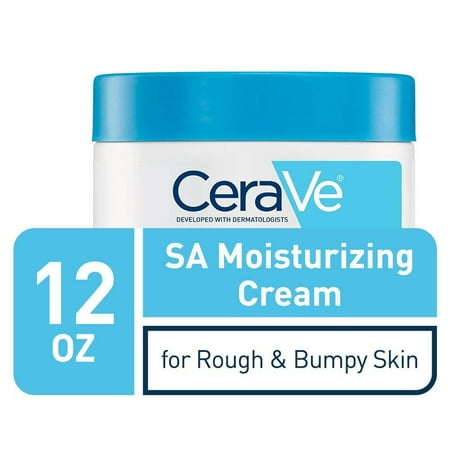

CeraVe Renewing SA Cream 12 oz Salicylic Acid Body
Summary
This product contains beneficial ingredients like salicylic acid, lactic acid, and hyaluronic acid, which are known for their exfoliating and hydrating properties. However, it also includes preservatives such as sodium benzoate and phenoxyethanol, which can cause skin irritation and allergic reactions. The presence of these preservatives, along with the product's processed nature, impacts its overall rating.
At a glance
Key ingredients 20
AquaNeutral
Aqua is primarily used as a solvent in skincare products. It is generally considered neutral as it serves as a base for other ingredients. The quality of water can vary, but no significant health impacts are associated with its use in this context.
See more about Aqua →Salicylic AcidGood
Salicylic Acid is a beta hydroxy acid known for its exfoliating properties. It helps in removing dead skin cells and unclogging pores, which can improve skin texture. It is often used in acne treatments due to its ability to penetrate oily skin and reduce inflammation.
Risks
May cause skin irritation or dryness, especially in sensitive skin types.
Benefits
Effective in treating acne and improving skin texture by exfoliating and unclogging pores.
Lactic AcidGood
Lactic Acid is an alpha hydroxy acid that helps in exfoliating the skin. It is derived from milk and is known for its ability to improve skin hydration and texture. It is often used in anti-aging products for its gentle exfoliating properties.
Risks
May cause irritation or sensitivity in some individuals, particularly with overuse.
Benefits
Improves skin hydration and texture, and is beneficial in anti-aging treatments.
Hyaluronic AcidVery Good
Hyaluronic Acid is a powerful humectant that attracts and retains moisture in the skin. It is naturally occurring in the body and is known for its ability to hydrate and plump the skin. It is highly valued in skincare for its ability to improve skin elasticity and reduce the appearance of fine lines.
Benefits
Excellent for hydrating and plumping the skin, improving elasticity and reducing fine lines.
NiacinamideVery Good
Niacinamide is a form of Vitamin B3 that is beneficial for improving skin tone and texture. It is known for its anti-inflammatory properties and ability to reduce redness and blotchiness. It also helps in strengthening the skin barrier and improving moisture retention.
Benefits
Improves skin tone and texture, reduces redness, and strengthens the skin barrier.
Ceramide NPGood
Ceramide NP is a lipid molecule that helps to restore the skin barrier. It is essential for maintaining skin hydration and protecting against environmental damage. Ceramides are naturally found in the skin and are crucial for healthy skin function.
Benefits
Restores the skin barrier and maintains hydration, protecting against environmental damage.
Ceramide APGood
Ceramide AP is another type of ceramide that supports the skin's natural barrier. It helps in retaining moisture and preventing transepidermal water loss. Ceramides are vital for skin health and are often used in formulations for dry or sensitive skin.
Benefits
Supports the skin's natural barrier and helps retain moisture, preventing water loss.
Ceramide EOPGood
Ceramide EOP is a ceramide that plays a key role in maintaining the skin's barrier function. It helps in protecting the skin from environmental stressors and maintaining hydration. Ceramides are integral to skin health and are beneficial in formulations for compromised skin barriers.
Benefits
Maintains the skin's barrier function and protects against environmental stressors.
GlycerinGood
Glycerin is a humectant that attracts moisture to the skin. It is widely used in skincare for its ability to hydrate and soften the skin. Glycerin is derived from natural sources and is considered safe and effective for all skin types.
Benefits
Hydrates and softens the skin, making it suitable for all skin types.
CarbomerNeutral
Carbomer is a synthetic polymer used to thicken and stabilize formulations. It is considered neutral as it does not provide direct skin benefits but enhances product texture. It is widely used in cosmetics for its ability to create a smooth and consistent product.
See more about Carbomer →Calcium GluconateNeutral
Calcium Gluconate is used as a skin-conditioning agent. It is considered neutral as it does not have significant direct benefits or risks. It is often included in formulations to support skin health.
See more about Calcium Gluconate →Sodium ChlorideNeutral
Sodium Chloride is commonly used as a thickening agent in skincare products. It is considered neutral as it primarily affects the texture and viscosity of the product. It is generally safe and does not have significant health impacts in topical applications.
See more about Sodium Chloride →Sodium BenzoateBad
Sodium Benzoate is a preservative used to prevent microbial growth in products. It is considered bad due to potential skin irritation and its reaction with ascorbic acid to form benzene, a carcinogen. It is generally used in low concentrations to minimize risks.
Risks
Potential skin irritation and formation of benzene when combined with ascorbic acid.
PhenoxyethanolBad
Phenoxyethanol is a preservative used to prevent bacterial growth. It is considered bad due to potential skin irritation and allergic reactions. It is often used as an alternative to parabens but still poses some risks.
Risks
Potential skin irritation and allergic reactions, especially in sensitive individuals.
Disodium EDTANeutral
Disodium EDTA is a chelating agent used to improve product stability. It is considered neutral as it does not provide direct skin benefits but helps maintain product integrity. It binds to metal ions, preventing them from affecting the product's performance.
See more about Disodium EDTA →Tetrasodium EDTANeutral
Tetrasodium EDTA is a chelating agent that enhances product stability. It is considered neutral as it does not have direct skin benefits but prevents metal ions from destabilizing the formulation. It is widely used in cosmetics for its stabilizing properties.
See more about Tetrasodium EDTA →Hydrolyzed Hyaluronic AcidVery Good
Hydrolyzed Hyaluronic Acid is a smaller molecule form of hyaluronic acid that penetrates deeper into the skin. It is highly effective in hydrating and plumping the skin, improving elasticity and reducing fine lines. It is valued for its enhanced absorption and moisturizing properties.
Benefits
Deeply hydrates and plumps the skin, improving elasticity and reducing fine lines.
PhytosphingosineGood
Phytosphingosine is a lipid that helps maintain the skin barrier and has antimicrobial properties. It is beneficial for reducing inflammation and supporting skin health. It is often used in formulations for acne-prone or sensitive skin.
Benefits
Supports skin barrier function and has antimicrobial properties, reducing inflammation.
Xanthan GumNeutral
Xanthan Gum is a thickening agent used to stabilize and improve the texture of formulations. It is considered neutral as it does not provide direct skin benefits but enhances product consistency. It is derived from natural sources and is generally safe for use.
See more about Xanthan Gum →EthylhexylglycerinNeutral
Ethylhexylglycerin is used as a skin-conditioning agent and preservative enhancer. It is considered neutral as it does not have significant direct benefits or risks. It is often used to improve the efficacy of preservatives in formulations.
See more about Ethylhexylglycerin →Processing
Processed Foods
Get the full breakdown in the Scout app
Scan any product to see lab results, healthy alternatives, and your personalized analysis.
Download on theApp Store