


At a glance
Summary
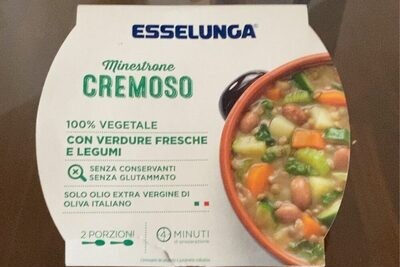
This product contains a high percentage of fresh vegetables and legumes, which are rich in vitamins, minerals, and fiber, contributing to its nutritional value. The use of extra virgin olive oil is a positive aspect, as it is a healthy fat. Despite being processed, the ingredient list is clean and free from harmful additives, allowing it to achieve a high score within its processing category.
Key ingredients 13
ZucchiniVery Good
Zucchini is a low-calorie vegetable rich in vitamins and minerals. It provides dietary fiber which aids in digestion. Its high water content helps in hydration and weight management.
Benefits
Rich in vitamins A and C, which support immune function and skin health.
CarrotsVery Good
Carrots are rich in beta-carotene, which the body converts to vitamin A. They support eye health and boost the immune system. Their natural sweetness makes them a popular ingredient in many dishes.
Benefits
High in antioxidants that may reduce the risk of chronic diseases.
SpinachVery Good
Spinach is a leafy green vegetable high in iron and calcium. It supports bone health and oxygen transport in the blood. Its high antioxidant content helps reduce oxidative stress.
Risks
May contain oxalates, which can affect calcium absorption in sensitive individuals.
Benefits
Rich in vitamins A, C, and K, supporting vision, skin, and bone health.
LentilsVery Good
Lentils are rich in protein and fiber, making them a staple in vegetarian diets. They provide essential nutrients like folate and iron. Their low fat content and high nutrient density make them a healthy choice.
Risks
May cause digestive discomfort in some individuals due to fiber content.
Benefits
Supports heart health and aids in weight management.
Extra virgin olive oilVery Good
Extra virgin olive oil is a high-quality monounsaturated fat with anti-inflammatory properties. It contains antioxidants that support heart health. Cold-pressed extraction preserves beneficial compounds.
Benefits
Rich in monounsaturated fats that support heart health and provide anti-inflammatory properties.
PotatoesGood
Potatoes are a good source of carbohydrates and provide essential nutrients like vitamin C and potassium. They are versatile and can be prepared in various healthy ways. When consumed with the skin, they offer additional fiber.
Risks
Excessive consumption can lead to weight gain due to high carbohydrate content.
Benefits
Provides energy and supports heart health due to potassium content.
CeleryGood
Celery is low in calories and high in water content, making it a hydrating vegetable. It contains antioxidants and beneficial enzymes. Its crunchy texture adds variety to meals.
Benefits
May help reduce inflammation and support digestion.
Savoy cabbageGood
Savoy cabbage is a nutrient-dense vegetable rich in vitamins C and K. It supports immune function and bone health. Its fiber content aids in digestion.
Benefits
Contains antioxidants that may protect against certain cancers.
LeeksGood
Leeks are part of the allium family and provide a mild onion-like flavor. They are rich in vitamins A and K. Their prebiotic fiber supports gut health.
Benefits
May help lower cholesterol levels and support heart health.
OnionsGood
Onions are a staple in many cuisines and provide flavor and nutrients. They contain antioxidants and compounds that may reduce inflammation. Their sulfur compounds have been linked to heart health benefits.
Risks
May cause digestive discomfort in some individuals.
Benefits
Supports heart health and may improve immune function.
Borlotti beansGood
Borlotti beans are a good source of plant-based protein and fiber. They support digestive health and provide essential nutrients like iron and magnesium. Their low glycemic index helps in blood sugar management.
Risks
May cause digestive discomfort in some individuals due to fiber content.
Benefits
Supports heart health and provides sustained energy.
WaterNeutral
Water is essential for hydration and is a key component in many foods. It helps in the cooking process and maintains the consistency of soups. It does not provide calories or nutrients.
Benefits
Essential for hydration and maintaining bodily functions.
SaltNeutral
Salt is used to enhance flavor and preserve food. It is essential for maintaining fluid balance and nerve function. Excessive intake can lead to health issues like hypertension.
Risks
High sodium intake can increase the risk of hypertension and cardiovascular diseases.
Benefits
Essential for maintaining fluid balance and nerve function.
Processing
Processed Foods
Get the full breakdown in the Scout appTake Scout shopping
Scan any product to see lab results, healthy alternatives, and your personalized analysis.
Download on theApp Store GET IT ONGoogle Play