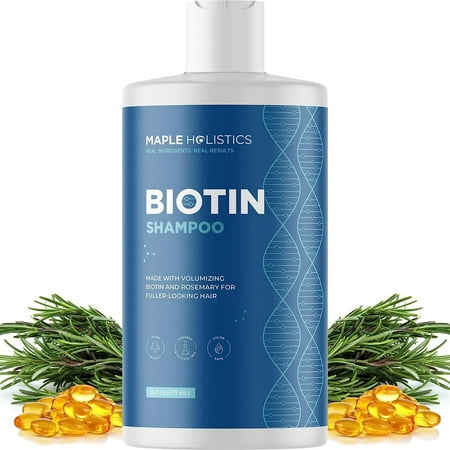
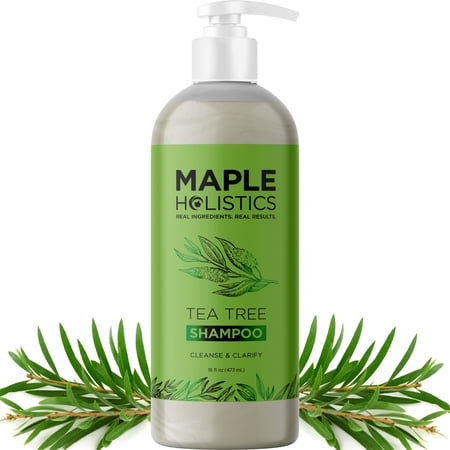
Tea Tree Oil Shampoo Sulfate Free Shampoo - Maple Holistics Tea Tree Oil Dry Scalp Shampoo For Oily Hair with Rosemary - Scalp Care Hydrating Shampoo for Women & Men with Natural Essential Oils
At a glance
Summary
This shampoo features a sulfate-free formula with gentle, coconut-derived surfactants like sodium cocoyl isethionate and coco-glucoside, which are known for their mild cleansing properties. It includes beneficial natural oils such as argan and tea tree oil, which nourish and hydrate the scalp. The absence of harmful ingredients like SLS, parabens, and silicones contributes to its high rating, making it a strong choice for those seeking a clean and effective hair care product. Its plastic packaging can shed microplastics into the product and lowers its score.
Key ingredients 21
Sodium Cocoyl IsethionateVery Good
Sodium Cocoyl Isethionate is a gentle surfactant derived from coconut oil. It is known for its mildness and ability to produce a rich, creamy lather. It is suitable for sensitive skin and helps to cleanse without causing dryness.
Risks
There are minimal risks associated with this ingredient as it is considered safe for use in personal care products.
Benefits
It effectively cleanses while maintaining the hair's natural moisture, making it ideal for dry or sensitive scalps.
Coco-GlucosideVery Good
Coco-Glucoside is a mild, non-ionic surfactant derived from coconut oil and glucose. It is known for its gentle cleansing properties and is suitable for sensitive skin. It is often used in natural and organic formulations.
Risks
There are no significant risks associated with this ingredient.
Benefits
It provides gentle cleansing and is environmentally friendly, making it a preferred choice in eco-conscious formulations.
Argania Spinosa (Argan) Kernel OilVery Good
Argan Oil is rich in essential fatty acids and vitamin E, providing deep nourishment and conditioning to the hair. It helps to improve hair elasticity and shine. It is highly valued for its moisturizing and restorative properties.
Risks
There are minimal risks, though it may cause allergic reactions in rare cases.
Benefits
It deeply conditions and nourishes the hair, enhancing its softness and shine.
Melaleuca Alternifolia (Tea Tree) Leaf OilVery Good
Tea Tree Oil is known for its antimicrobial and anti-inflammatory properties. It helps to soothe the scalp and reduce dandruff. It is often used in hair care products for its ability to promote a healthy scalp environment.
Risks
In rare cases, it may cause irritation or allergic reactions.
Benefits
It promotes scalp health and helps to reduce dandruff and itchiness.
Simmondsia Chinensis (Jojoba) Seed OilVery Good
Jojoba Oil is a natural emollient that closely resembles the skin's natural sebum. It helps to moisturize and condition the hair and scalp. It is often used in hair care products for its nourishing and balancing properties.
Risks
There are minimal risks, though it may cause allergic reactions in rare cases.
Benefits
It deeply conditions and balances the scalp, enhancing hair softness and shine.
Cocamidopropyl HydroxysultaineGood
Cocamidopropyl Hydroxysultaine is a mild surfactant and foam booster derived from coconut oil. It enhances the cleansing and foaming properties of shampoos. It is considered gentle and suitable for sensitive skin.
Risks
It may cause mild irritation in some individuals, but this is uncommon.
Benefits
It improves the texture and feel of the shampoo, providing a rich lather and enhancing cleansing efficacy.
Lauryl GlucosideGood
Lauryl Glucoside is a non-ionic surfactant derived from glucose and coconut oil. It is known for its mildness and biodegradability. It is often used in natural and organic formulations for its gentle cleansing properties.
Risks
There are no significant risks associated with this ingredient.
Benefits
It provides gentle cleansing and is environmentally friendly, making it a preferred choice in eco-conscious formulations.
Glyceryl CaprylateGood
Glyceryl Caprylate is an emollient and co-emulsifier derived from glycerin and caprylic acid. It helps to moisturize and condition the hair and scalp. It is often used in natural formulations for its skin-friendly properties.
Risks
There are minimal risks associated with this ingredient.
Benefits
It provides moisturizing benefits and helps to maintain the integrity of the hair and scalp barrier.
GlycerinGood
Glycerin is a humectant that attracts moisture to the hair and scalp. It helps to hydrate and soften the hair, improving its overall texture and appearance. It is widely used in hair care products for its moisturizing properties.
Risks
There are no significant risks associated with glycerin.
Benefits
It enhances moisture retention, leaving the hair feeling soft and hydrated.
Rosmarinus Officinalis (Rosemary) Leaf OilGood
Rosemary Oil is known for its stimulating and antioxidant properties. It helps to improve circulation to the scalp and promote hair growth. It is often used in hair care products for its invigorating scent and benefits.
Risks
There are minimal risks, though it may cause irritation in sensitive individuals.
Benefits
It stimulates the scalp and promotes healthy hair growth.
Lavandula Officinalis (Lavender) Flower OilGood
Lavender Oil is known for its calming and soothing properties. It helps to reduce scalp irritation and promote relaxation. It is often used in hair care products for its pleasant scent and benefits.
Risks
There are minimal risks, though it may cause irritation in sensitive individuals.
Benefits
It soothes the scalp and provides a calming aroma.
Sodium PCAGood
Sodium PCA is a humectant that helps to attract and retain moisture in the hair and scalp. It is derived from amino acids and is known for its excellent moisturizing properties. It is often used in hair care products to improve hydration.
Risks
There are no significant risks associated with this ingredient.
Benefits
It enhances moisture retention, leaving the hair feeling soft and hydrated.
PanthenolGood
Panthenol, also known as provitamin B5, is a moisturizing agent that helps to improve hair elasticity and shine. It penetrates the hair shaft to provide deep hydration. It is widely used in hair care products for its conditioning benefits.
Risks
There are no significant risks associated with panthenol.
Benefits
It enhances hair moisture and shine, improving overall hair health.
Water (Aqua)Neutral
Water is a common solvent used in cosmetic formulations. It helps to dissolve other ingredients and provides a base for the product. It is generally considered safe and non-reactive.
Risks
There are no significant risks associated with water in cosmetic products.
Benefits
Water helps to hydrate and provide a medium for other beneficial ingredients to be delivered to the hair and scalp.
Cocamidopropyl BetaineNeutral
Standard formulation ingredient — neither beneficial nor harmful at typical use.
Risks
In rare cases, it may cause skin irritation or allergic reactions.
Benefits
It provides gentle cleansing and helps to maintain the natural moisture balance of the hair and scalp.
Glycol DistearateNeutral
Glycol Distearate is an emollient and opacifying agent used to give shampoos a pearlescent appearance. It helps to improve the texture and feel of the product. It is considered safe for use in cosmetics.
Risks
There are no significant risks associated with this ingredient.
Benefits
It enhances the visual appeal and texture of the shampoo, providing a luxurious feel.
Caprylhydroxamic AcidNeutral
Caprylhydroxamic Acid is a preservative used to prevent microbial growth in cosmetic products. It is considered a safer alternative to traditional preservatives. It is effective in maintaining product stability.
Risks
There are minimal risks, though it may cause irritation in sensitive individuals.
Benefits
It helps to preserve the product, ensuring its safety and efficacy over time.
2-Amino-2-methyl-1-propanolNeutral
2-Amino-2-methyl-1-propanol is used as a pH adjuster in cosmetic formulations. It helps to maintain the stability and efficacy of the product. It is considered safe for use in cosmetics.
Risks
There are minimal risks, though it may cause irritation in sensitive individuals.
Benefits
It helps to maintain the product's pH balance, ensuring its stability and performance.
2-methylamino-2-methyl-1-propanolNeutral
2-methylamino-2-methyl-1-propanol is used as a pH adjuster in cosmetic formulations. It helps to maintain the stability and efficacy of the product. It is considered safe for use in cosmetics.
Risks
There are minimal risks, though it may cause irritation in sensitive individuals.
Benefits
It helps to maintain the product's pH balance, ensuring its stability and performance.
Sodium Citrate (Dihydrate)Neutral
Sodium Citrate is used as a buffering agent to control the pH of cosmetic products. It helps to maintain the stability and efficacy of the formulation. It is considered safe for use in cosmetics.
Risks
There are minimal risks associated with this ingredient.
Benefits
It helps to maintain the product's pH balance, ensuring its stability and performance.
Acrylates CopolymerBad
Processed additive flagged under Scout's ingredient doctrine.
Risks
There are minimal risks, though it may cause build-up if not rinsed thoroughly.
Benefits
It enhances the texture and performance of the shampoo, providing a smooth application.
Get the full breakdown in the Scout appTake Scout shopping
Scan any product to see lab results, healthy alternatives, and your personalized analysis.
Are you Maple Holistics? Fix an error Get the badge Get tested
Amazon pricing & content
Amazon price as of . Product prices and availability are accurate as of the date/time indicated and are subject to change. Any price and availability information displayed on Amazon.com at the time of purchase will apply to the purchase of this product.
CERTAIN CONTENT THAT APPEARS ON THIS SITE COMES FROM AMAZON. THIS CONTENT IS PROVIDED “AS IS” AND IS SUBJECT TO CHANGE OR REMOVAL AT ANY TIME.