

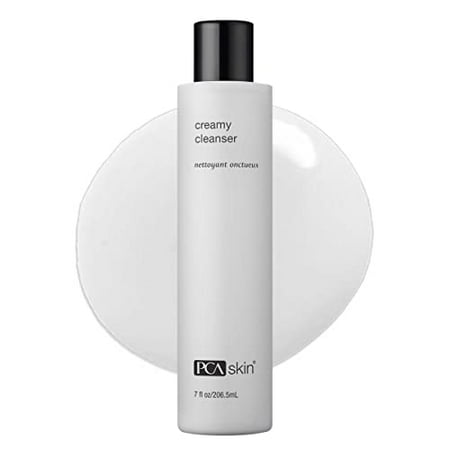
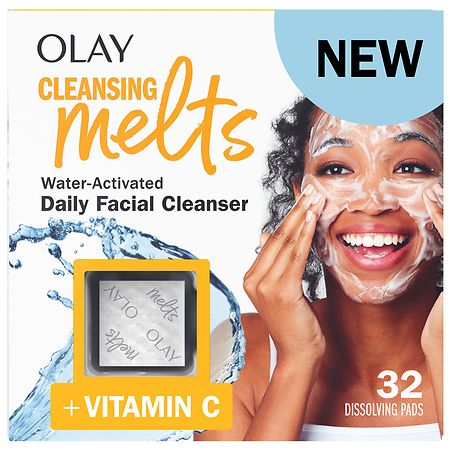
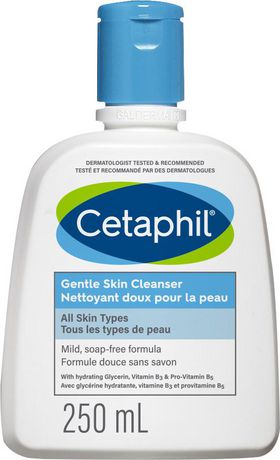
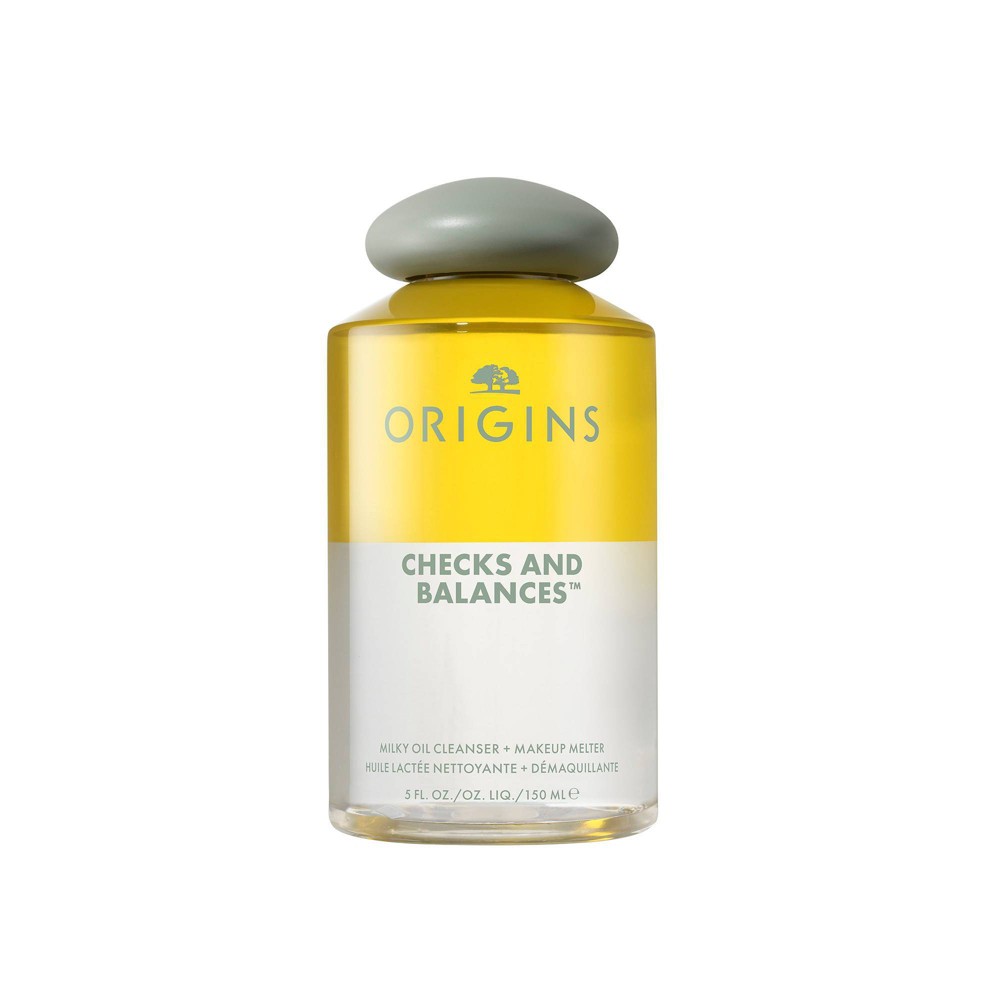
Fresh Soy Face Cleanser 150ml/5.1oz
Analysis updated August 2026 · How Scout scores
At a glance
Summary
This face cleanser features a blend of natural and beneficial ingredients such as glycerin, sunflower seed oil, and cucumber extract, which provide moisturizing and soothing properties. The formulation avoids harsh surfactants and synthetic fragrances, contributing to its safety and effectiveness. The presence of mild preservatives like sodium benzoate and potassium sorbate is balanced by the overall clean ingredient list, resulting in a product that is both gentle and effective for skin care.
Key ingredients 28
Cucumis Sativus (Cucumber) Fruit ExtractVery Good
Cucumber Extract is known for its cooling and soothing properties. It helps reduce puffiness and refreshes the skin. It is safe and beneficial for all skin types.
Risks
There are no significant risks associated with cucumber extract.
Benefits
It provides hydration and soothes irritated skin.
Helianthus Annuus (Sunflower) Seed OilVery Good
Sunflower Seed Oil is rich in essential fatty acids and vitamin E. It helps nourish and moisturize the skin. It is safe and beneficial for all skin types.
Risks
There are no significant risks associated with sunflower seed oil.
Benefits
It provides nourishment and helps maintain skin barrier function.
Borago Officinalis Seed OilVery Good
Borage Seed Oil is high in gamma-linolenic acid, which helps reduce inflammation. It is known for its skin-soothing and moisturizing properties. It is safe and beneficial for dry and sensitive skin.
Risks
There are no significant risks associated with borage seed oil.
Benefits
It helps soothe and moisturize dry, irritated skin.
Rosa Damascena ExtractVery Good
Rosa Damascena Extract is known for its soothing and anti-inflammatory properties. It helps calm irritated skin and provides a pleasant fragrance. It is safe and beneficial for sensitive skin.
Risks
There are minimal risks, though very sensitive skin may experience mild irritation.
Benefits
It helps soothe and calm the skin while providing a natural fragrance.
Rosa Damascena Flower WaterVery Good
Rosa Damascena Flower Water is known for its hydrating and soothing properties. It helps refresh and tone the skin. It is safe and beneficial for all skin types.
Risks
There are no significant risks associated with rose flower water.
Benefits
It provides hydration and soothes irritated skin.
Aloe Barbadensis Leaf JuiceVery Good
Aloe Vera is renowned for its soothing and healing properties. It helps calm irritated skin and provides hydration. It is safe and beneficial for all skin types.
Risks
There are no significant risks associated with aloe vera.
Benefits
It helps soothe and hydrate the skin, promoting healing.
Rosa Damascena Flower OilVery Good
Rose Flower Oil is known for its soothing and anti-inflammatory properties. It helps calm irritated skin and provides a pleasant fragrance. It is safe and beneficial for sensitive skin.
Risks
There are minimal risks, though very sensitive skin may experience mild irritation.
Benefits
It helps soothe and calm the skin while providing a natural fragrance.
TocopherolVery Good
Tocopherol, or Vitamin E, is a powerful antioxidant that helps protect the skin from free radical damage. It is known for its moisturizing and healing properties. It is safe and beneficial for all skin types.
Risks
There are no significant risks associated with tocopherol.
Benefits
It helps protect the skin and improve its overall health.
Coco-GlucosideGood
Coco-Glucoside is a mild surfactant derived from coconut oil and glucose. It is used to gently cleanse the skin without stripping natural oils. It is considered safe and non-irritating.
Risks
There are minimal risks, though very sensitive skin may experience mild irritation.
Benefits
It provides gentle cleansing and is suitable for sensitive skin types.
GlycerinGood
Glycerin is a humectant that attracts moisture to the skin, keeping it hydrated. It is a well-known ingredient for its moisturizing properties. It is safe and beneficial for all skin types.
Risks
There are no significant risks associated with glycerin.
Benefits
It helps maintain skin hydration and improves skin barrier function.
Polyglyceryl-10 LaurateGood
Polyglyceryl-10 Laurate is an emulsifier derived from natural sources. It helps blend oil and water-based ingredients in formulations. It is considered safe and non-irritating.
Risks
There are minimal risks associated with this ingredient.
Benefits
It improves the stability and texture of cosmetic products.
Centaurea Cyanus Flower WaterGood
Centaurea Cyanus Flower Water is known for its soothing and anti-inflammatory properties. It is often used in cosmetics for its calming effects on the skin. It is safe and beneficial for sensitive skin.
Risks
There are minimal risks, though very sensitive skin may experience mild irritation.
Benefits
It helps soothe and calm irritated skin.
Hydrolyzed Soy ProteinGood
Hydrolyzed Soy Protein helps improve skin texture and elasticity. It is known for its moisturizing and conditioning properties. It is safe and beneficial for all skin types.
Risks
There are minimal risks, though very sensitive skin may experience mild irritation.
Benefits
It helps improve skin texture and provides hydration.
Panax Ginseng Root ExtractGood
Ginseng Extract is known for its revitalizing and anti-aging properties. It helps improve skin elasticity and reduce the appearance of fine lines. It is safe and beneficial for mature skin.
Risks
There are minimal risks, though very sensitive skin may experience mild irritation.
Benefits
It helps revitalize the skin and improve its appearance.
Malva Sylvestris (Mallow) Flower ExtractGood
Mallow Flower Extract is known for its soothing and anti-inflammatory properties. It helps calm irritated skin and provides hydration. It is safe and beneficial for sensitive skin.
Risks
There are minimal risks, though very sensitive skin may experience mild irritation.
Benefits
It helps soothe and hydrate the skin.
Caprylic/Capric TriglycerideGood
Caprylic/Capric Triglyceride is an emollient derived from coconut oil and glycerin. It helps moisturize and soften the skin. It is safe and beneficial for all skin types.
Risks
There are no significant risks associated with this ingredient.
Benefits
It provides lightweight hydration and improves skin texture.
Aqua (Water)Neutral
Water is a universal solvent and is used as a base in many cosmetic formulations. It helps dissolve other ingredients and provides hydration. It is generally safe and non-irritating.
Risks
There are no significant risks associated with water in cosmetics.
Benefits
Water helps in hydrating the skin and acts as a carrier for other beneficial ingredients.
Butylene GlycolNeutral
Butylene Glycol is a common solvent and conditioning agent in cosmetics. It helps improve the texture and spreadability of products. It is generally considered safe for use in cosmetics.
Risks
In rare cases, it may cause irritation or allergic reactions in sensitive individuals.
Benefits
It helps in moisturizing the skin and enhances the penetration of other ingredients.
PropanediolNeutral
Propanediol is used as a solvent and skin-conditioning agent. It enhances the absorption of other ingredients and improves product texture. It is generally considered safe for use in cosmetics.
Risks
May cause mild irritation in very sensitive skin.
Benefits
It helps in moisturizing the skin and improves the texture of formulations.
Xanthan GumNeutral
Xanthan Gum is a natural thickening agent used to stabilize cosmetic formulations. It helps improve the texture and consistency of products. It is safe and non-irritating for most skin types.
Risks
There are minimal risks, though it may cause mild irritation in very sensitive individuals.
Benefits
It provides stability to formulations and enhances product texture.
1,2-HexanediolNeutral
1,2-Hexanediol is a synthetic preservative and moisture-binding agent. It helps prevent microbial growth in cosmetic products. It is generally considered safe for use in cosmetics.
Risks
May cause mild irritation in sensitive skin.
Benefits
It helps in preserving the product and maintaining its efficacy.
Caprylyl GlycolNeutral
Caprylyl Glycol is a skin-conditioning agent and preservative. It helps improve the texture of formulations and provides antimicrobial properties. It is generally considered safe for use in cosmetics.
Risks
May cause mild irritation in sensitive skin.
Benefits
It helps preserve the product and maintain its efficacy.
SilicaNeutral
Silica is used as an absorbent and anti-caking agent in cosmetics. It helps improve the texture and feel of products. It is generally considered safe for use in cosmetics.
Risks
Inhalation of silica dust can be harmful, but this is not a concern in liquid formulations.
Benefits
It helps improve the texture and stability of cosmetic products.
Citric AcidNeutral
Citric Acid is used to adjust the pH of cosmetic formulations. It helps maintain the stability and efficacy of products. It is generally considered safe for use in cosmetics.
Risks
May cause mild irritation in sensitive skin.
Benefits
It helps maintain the stability and effectiveness of formulations.
Pentylene GlycolNeutral
Pentylene Glycol is a humectant and solvent used in cosmetics. It helps improve the texture and spreadability of products. It is generally considered safe for use in cosmetics.
Risks
May cause mild irritation in sensitive skin.
Benefits
It helps in moisturizing the skin and enhances the penetration of other ingredients.
CaramelBad
Processed additive flagged under Scout's ingredient doctrine.
Risks
There are minimal risks associated with caramel in cosmetics.
Benefits
It provides natural coloration to cosmetic products.
Sodium BenzoateBad
Synthetic preservative that can form benzene in the presence of vitamin C.
Risks
May cause mild irritation in sensitive skin.
Benefits
It helps preserve the product and maintain its efficacy.
Potassium SorbateBad
Synthetic preservative — flagged in daily-use products.
Risks
May cause mild irritation in sensitive skin.
Benefits
It helps preserve the product and maintain its efficacy.
Get the full breakdown in the Scout appTake Scout shopping
Scan any product to see lab results, healthy alternatives, and your personalized analysis.
Download on theApp Store GET IT ONGoogle PlayAmazon pricing & content
Amazon price as of . Product prices and availability are accurate as of the date/time indicated and are subject to change. Any price and availability information displayed on Amazon.com at the time of purchase will apply to the purchase of this product.
CERTAIN CONTENT THAT APPEARS ON THIS SITE COMES FROM AMAZON. THIS CONTENT IS PROVIDED “AS IS” AND IS SUBJECT TO CHANGE OR REMOVAL AT ANY TIME.