
Saie Slip Tint Lightweight Tinted Moisturizer with Mineral Zinc SPF 35 and Hyaluronic Acid, Size: 1.35Oz, 8
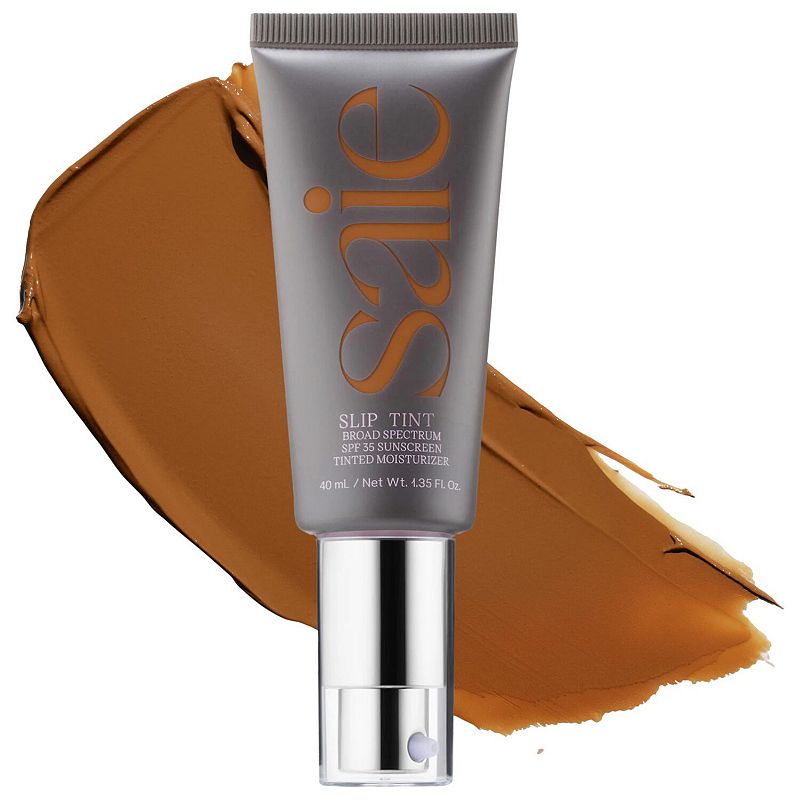
At a glance
Summary
This tinted moisturizer features a clean formulation with beneficial ingredients such as zinc oxide for sun protection, hyaluronic acid for hydration, and natural oils like argan and grape seed oil for nourishment. The product avoids harsh chemicals and synthetic additives, making it suitable for sensitive skin. Its use of natural emollients and antioxidants contributes to a high score, reflecting its minimal processing and focus on skin health. Its plastic packaging can shed microplastics into the product and lowers its score.
Key ingredients 24
Vitis Vinifera (Grape) Seed OilVery Good
Grape Seed Oil is rich in antioxidants and essential fatty acids. It is known for its anti-inflammatory and moisturizing properties. It is beneficial for maintaining skin elasticity and reducing signs of aging.
Risks
There are minimal risks, though it may cause allergic reactions in rare cases.
Benefits
It provides nourishment and protection to the skin, helping to maintain a youthful appearance.
Argania Spinosa Kernel OilVery Good
Argan Oil is rich in essential fatty acids and vitamin E. It is known for its moisturizing and nourishing properties. It helps to improve skin elasticity and reduce the appearance of fine lines.
Risks
There are minimal risks, though it may cause allergic reactions in rare cases.
Benefits
It provides deep hydration and nourishment, promoting healthy and radiant skin.
Sodium Hyaluronate CrosspolymerVery Good
Sodium Hyaluronate Crosspolymer is a form of hyaluronic acid that provides long-lasting hydration. It helps to retain moisture in the skin, improving its texture and elasticity. It is highly regarded for its ability to plump and hydrate the skin.
Risks
There are minimal risks associated with its use in cosmetics.
Benefits
It provides intense hydration and helps to reduce the appearance of fine lines and wrinkles.
Jojoba EstersVery Good
Jojoba Esters are derived from jojoba oil and are used as emollients. They help to moisturize and soften the skin. They are considered safe and beneficial for all skin types.
Risks
There are minimal risks, though it may cause mild irritation in very sensitive individuals.
Benefits
They provide a smooth and non-greasy feel, enhancing the moisturizing properties of the product.
BeeswaxVery Good
Beeswax is a natural wax produced by honeybees. It is used as an emollient and thickening agent in cosmetics. It helps to lock in moisture and protect the skin from environmental damage.
Risks
There are minimal risks, though it may cause allergic reactions in individuals with bee allergies.
Benefits
It provides a protective barrier on the skin, helping to retain moisture and improve skin texture.
Aloe Barbadensis Leaf ExtractVery Good
Aloe Vera Extract is known for its soothing and hydrating properties. It helps to calm irritated skin and provide moisture. It is widely used in cosmetics for its skin-healing benefits.
Risks
There are minimal risks, though it may cause allergic reactions in rare cases.
Benefits
It provides soothing and calming effects, helping to reduce redness and irritation.
Zinc OxideGood
Zinc Oxide is a mineral sunscreen agent that provides broad-spectrum UV protection. It is considered safe and effective for sensitive skin. It is often used in creams and lotions for its protective properties.
Risks
There are minimal risks associated with Zinc Oxide, though it may cause slight whitening on the skin.
Benefits
It offers excellent protection against UVA and UVB rays, making it a preferred choice for sun protection.
Coco-caprylate/caprateGood
Coco-caprylate/caprate is an emollient derived from coconut oil and caprylic acid. It is used to improve skin feel and provide a silky texture. It is considered safe and non-irritating.
Risks
There are minimal risks, though it may cause mild irritation in very sensitive individuals.
Benefits
It enhances skin softness and smoothness, improving the overall texture of the product.
Tocopheryl AcetateGood
Tocopheryl Acetate is a form of Vitamin E, a powerful antioxidant. It helps to protect the skin from free radical damage. It is commonly used in cosmetics for its skin-conditioning properties.
Risks
There are minimal risks, though it may cause mild irritation in sensitive individuals.
Benefits
It helps to maintain skin health and improve the appearance of the skin.
Leuconostoc/radish Root Ferment FiltrateGood
Leuconostoc/radish Root Ferment Filtrate is a natural preservative derived from fermented radish root. It helps to inhibit the growth of harmful bacteria in cosmetic products. It is considered safe and effective as a natural preservative.
Risks
There are minimal risks associated with its use in cosmetics.
Benefits
It provides antimicrobial protection, helping to extend the shelf life of the product.
GlycerinGood
Glycerin is a humectant that attracts moisture to the skin. It helps to hydrate and soften the skin, improving its texture. It is widely used in cosmetics for its moisturizing properties.
Risks
There are minimal risks, though it may cause mild irritation in very sensitive individuals.
Benefits
It provides long-lasting hydration, helping to maintain a healthy and supple skin appearance.
LactobacillusGood
Lactobacillus is a probiotic ingredient used in cosmetics for its skin-conditioning properties. It helps to balance the skin's microbiome and improve its overall health. It is considered safe and beneficial for skin care.
Risks
There are minimal risks associated with its use in cosmetics.
Benefits
It helps to support a healthy skin barrier and improve skin resilience.
Viola Tricolor Extract (Pansy Flower)Good
Viola Tricolor Extract is a botanical extract known for its soothing and anti-inflammatory properties. It helps to calm and hydrate the skin, improving its overall appearance. It is considered safe and beneficial for sensitive skin.
Risks
There are minimal risks, though it may cause allergic reactions in rare cases.
Benefits
It provides soothing and calming effects, helping to reduce redness and irritation.
BisabololGood
Bisabolol is a natural compound derived from chamomile. It is known for its soothing and anti-inflammatory properties. It helps to calm and protect the skin, making it suitable for sensitive skin types.
Risks
There are minimal risks, though it may cause allergic reactions in individuals sensitive to chamomile.
Benefits
It provides soothing and calming effects, helping to reduce redness and irritation.
Glycyrrhiza Glabra (Licorice) Root ExtractGood
Licorice Root Extract is known for its skin-brightening and anti-inflammatory properties. It helps to reduce hyperpigmentation and soothe irritated skin. It is considered safe and beneficial for improving skin tone and texture.
Risks
There are minimal risks, though it may cause allergic reactions in rare cases.
Benefits
It helps to brighten the skin and reduce the appearance of dark spots, promoting an even skin tone.
Sodium HyaluronateGood
Sodium Hyaluronate is a form of hyaluronic acid that provides deep hydration to the skin. It helps to retain moisture and improve skin elasticity. It is highly regarded for its ability to plump and hydrate the skin.
Risks
There are minimal risks associated with its use in cosmetics.
Benefits
It provides intense hydration and helps to reduce the appearance of fine lines and wrinkles.
Cocos Nucifera (Coconut) Fruit ExtractGood
Coconut Fruit Extract is known for its moisturizing and nourishing properties. It helps to hydrate and soften the skin, improving its texture. It is considered safe and beneficial for all skin types.
Risks
There are minimal risks, though it may cause allergic reactions in individuals with coconut allergies.
Benefits
It provides deep hydration and nourishment, promoting healthy and radiant skin.
WaterNeutral
Water is a common solvent used in cosmetic formulations. It helps dissolve other ingredients and provides a base for the product. It is essential for hydration but does not provide active benefits on its own.
Risks
There are no significant risks associated with water in cosmetics.
Benefits
It helps in hydrating the skin and acts as a carrier for other beneficial ingredients.
C15-19 AlkaneNeutral
C15-19 Alkane is a hydrocarbon used as an emollient and solvent in cosmetics. It helps to improve the spreadability of the product. It is considered safe for use in cosmetics.
Risks
There are minimal risks associated with its use in cosmetics.
Benefits
It helps in providing a smooth application and enhances the texture of the product.
Isocetyl Stearoyl StearateNeutral
Isocetyl Stearoyl Stearate is an ester used as an emollient and thickening agent. It helps to improve the texture and feel of the product. It is generally considered safe for use in cosmetics.
Risks
There are minimal risks, though it may cause mild irritation in sensitive individuals.
Benefits
It provides a smooth and creamy texture, enhancing the sensory experience of the product.
TribeheninNeutral
Tribehenin is an emollient and thickening agent used in cosmetics. It helps to improve the texture and stability of the product. It is considered safe for use in cosmetics.
Risks
There are minimal risks associated with its use in cosmetics.
Benefits
It helps to provide a smooth and creamy texture, enhancing the application experience.
Glyceryl StearateNeutral
Glyceryl Stearate is an emulsifier used to stabilize cosmetic formulations. It helps to blend oil and water-based ingredients. It is considered safe for use in cosmetics.
Risks
There are minimal risks associated with its use in cosmetics.
Benefits
It helps to improve the texture and consistency of the product, enhancing its application.
Acacia Senegal GumNeutral
Acacia Senegal Gum is a natural gum used as a thickening and stabilizing agent in cosmetics. It helps to improve the texture and consistency of the product. It is considered safe for use in cosmetics.
Risks
There are minimal risks associated with its use in cosmetics.
Benefits
It helps to provide a smooth and stable formulation, enhancing the application experience.
Xanthan GumNeutral
Xanthan Gum is a natural thickening agent used in cosmetics. It helps to stabilize and thicken formulations, improving their texture. It is considered safe for use in cosmetics.
Risks
There are minimal risks associated with its use in cosmetics.
Benefits
It helps to provide a smooth and consistent texture, enhancing the application experience.
Get the full breakdown in the Scout appTake Scout shopping
Scan any product to see lab results, healthy alternatives, and your personalized analysis.
Are you Saie? Fix an error Get the badge Get tested


