
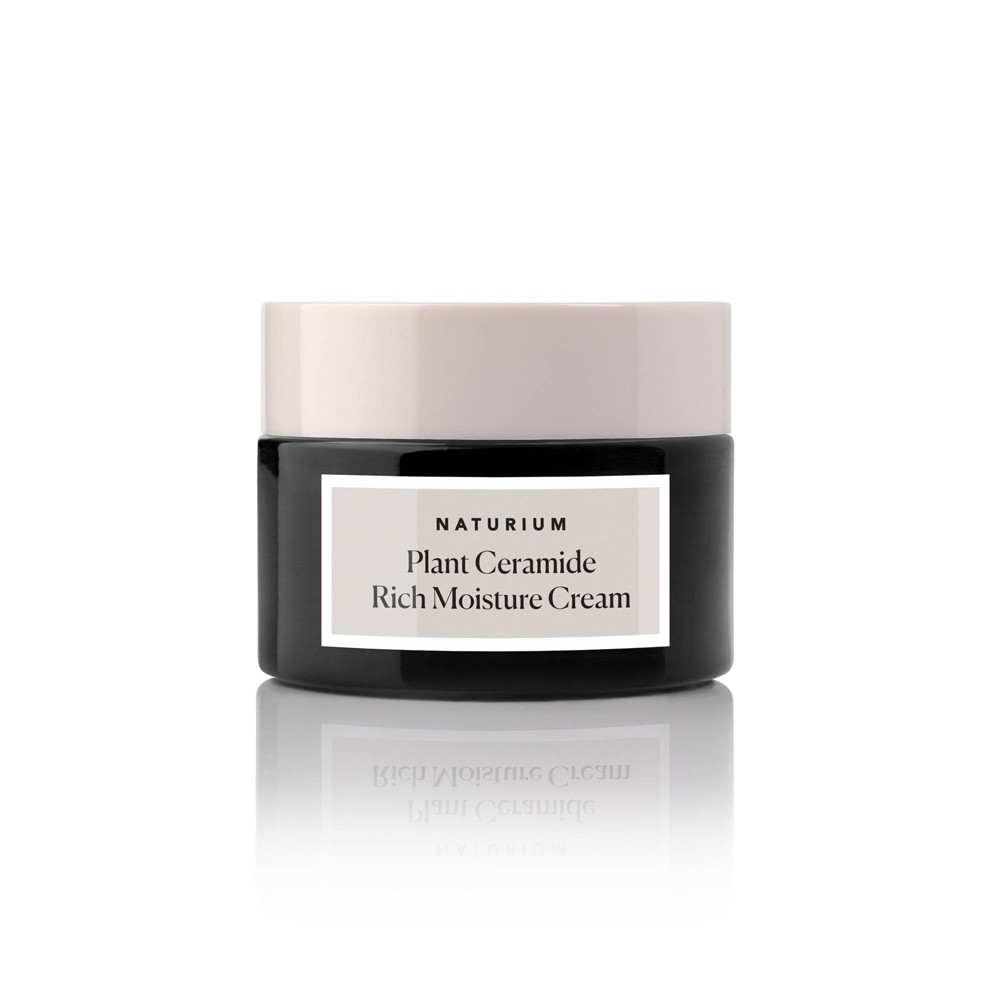

Naturium Plant Ceramide Rich Moisture Cream - 1.7 oz: No Fragrance Added, Paraben-Free, Vegan, Normal to Dry Skin
Analysis updated July 2026 · How Scout scores
At a glance
Summary
This moisturizer features a blend of natural oils and butters like shea butter and squalane, which are beneficial for skin hydration. It is free from parabens and synthetic fragrances, reducing potential irritation risks. However, the presence of phenoxyethanol as a preservative and its processed nature slightly lower its score, despite the overall clean ingredient profile.
Key ingredients 9
GlycerinGood
Glycerin is a humectant that attracts moisture to the skin, helping to keep it hydrated. It is commonly used in skincare products due to its ability to improve skin barrier function. It is considered safe and effective for most skin types.
Risks
There are minimal risks associated with glycerin, though it may cause irritation in very sensitive skin.
Benefits
Glycerin helps maintain skin hydration and can improve the skin's natural barrier.
Butyrospermum Parkii (Shea) ButterGood
Shea butter is a natural fat extracted from the nuts of the shea tree, known for its moisturizing properties. It is rich in vitamins and fatty acids, making it an excellent emollient for dry skin. Shea butter is widely used in cosmetics for its ability to soften and condition the skin.
Risks
Rarely, shea butter can cause allergic reactions in individuals with nut allergies.
Benefits
Shea butter deeply moisturizes and nourishes the skin, improving elasticity and smoothness.
SqualaneGood
Squalane is a stable, saturated hydrocarbon that mimics the skin's natural oils, providing lightweight moisture. It is non-comedogenic and suitable for all skin types, including sensitive skin. Squalane is praised for its ability to hydrate and protect the skin without leaving a greasy residue.
Risks
Squalane is generally considered safe with minimal risk of irritation or allergic reaction.
Benefits
Squalane helps to lock in moisture and improve skin texture, making it soft and supple.
Sodium HyaluronateGood
Sodium hyaluronate is a salt form of hyaluronic acid, known for its ability to retain moisture in the skin. It penetrates deeper into the skin compared to hyaluronic acid, providing intense hydration. This ingredient is beneficial for reducing the appearance of fine lines and improving skin elasticity.
Risks
There are minimal risks associated with sodium hyaluronate, though it may cause irritation in very sensitive skin.
Benefits
Sodium hyaluronate provides deep hydration and helps maintain skin's youthful appearance.
TocopherolGood
Tocopherol, also known as Vitamin E, is a powerful antioxidant that helps protect the skin from free radical damage. It is commonly used in skincare for its moisturizing and healing properties. Tocopherol can also enhance the stability of other ingredients in the formulation.
Risks
In rare cases, tocopherol can cause skin irritation or allergic reactions.
Benefits
Tocopherol helps to protect and repair the skin, improving its overall health and appearance.
Helianthus Annuus (Sunflower) ExtractGood
Sunflower extract is derived from sunflower seeds and is rich in nutrients and antioxidants. It is known for its emollient properties, helping to retain moisture in the skin. Sunflower extract is gentle and suitable for all skin types.
Risks
There are minimal risks associated with sunflower extract, though it may cause irritation in very sensitive skin.
Benefits
Sunflower extract helps to moisturize and protect the skin, enhancing its natural barrier.
Rosmarinus Officinalis (Rosemary) Leaf ExtractGood
Rosemary leaf extract is a natural antioxidant that helps protect the skin from environmental stressors. It has antimicrobial properties and can improve circulation, promoting healthier skin. Rosemary extract is often used in skincare for its refreshing and toning effects.
Risks
In rare cases, rosemary extract can cause skin irritation or allergic reactions.
Benefits
Rosemary extract helps to protect and rejuvenate the skin, improving its tone and texture.
Oryza Sativa (Rice) Bran ExtractGood
Rice bran extract is rich in antioxidants, vitamins, and minerals, providing nourishment to the skin. It is known for its soothing and anti-inflammatory properties, making it suitable for sensitive skin. Rice bran extract can help improve skin texture and tone.
Risks
There are minimal risks associated with rice bran extract, though it may cause irritation in very sensitive skin.
Benefits
Rice bran extract helps to soothe and nourish the skin, enhancing its overall appearance.
PhenoxyethanolBad
Phenoxyethanol is a preservative used to prevent the growth of bacteria and mold in cosmetic products. While it is considered safe in low concentrations, it can cause irritation in some individuals. Phenoxyethanol is often used as an alternative to parabens.
Risks
Phenoxyethanol can cause skin irritation and allergic reactions, particularly in sensitive individuals.
Benefits
It helps to preserve the product, extending its shelf life and maintaining its efficacy.
Get the full breakdown in the Scout appTake Scout shopping
Scan any product to see lab results, healthy alternatives, and your personalized analysis.
Download on theApp Store GET IT ONGoogle PlayAmazon pricing & content
Amazon price as of . Product prices and availability are accurate as of the date/time indicated and are subject to change. Any price and availability information displayed on Amazon.com at the time of purchase will apply to the purchase of this product.
CERTAIN CONTENT THAT APPEARS ON THIS SITE COMES FROM AMAZON. THIS CONTENT IS PROVIDED “AS IS” AND IS SUBJECT TO CHANGE OR REMOVAL AT ANY TIME.