


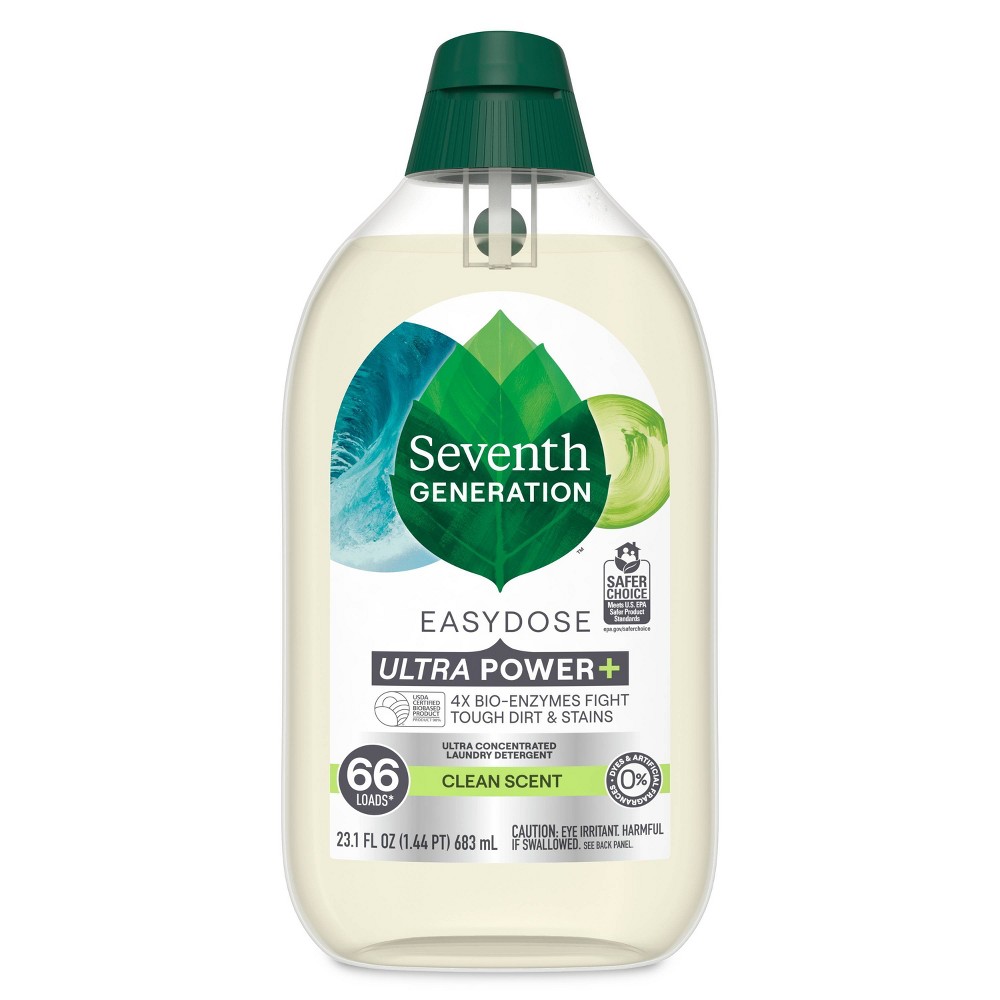

Cleancult Laundry Detergent Sheets Fresh Linen Scent 60 Count
Analysis updated August 2026 · How Scout scores
At a glance
Summary
This product contains beneficial plant-derived ingredients like decyl glucoside and saponins, which are gentle and biodegradable. However, the presence of Laureth-7, a synthetic surfactant with contamination risks, and synthetic fragrance, which can cause allergic reactions, lowers its safety and environmental impact. The product is moderately processed, which also affects its overall rating.
Key ingredients 12
Decyl GlucosideGood
Decyl glucoside is a mild, plant-derived surfactant. It is known for being gentle on the skin and biodegradable. It is often used in eco-friendly cleaning products.
Risks
There are minimal risks associated with decyl glucoside, though some individuals may experience mild irritation.
Benefits
It is effective in cleaning while being gentle and environmentally friendly.
SaponinsGood
Saponins are natural surfactants derived from plants. They are known for their ability to create foam and clean effectively. They are biodegradable and considered safe for the environment.
Risks
Saponins can cause mild irritation in some individuals.
Benefits
They are effective natural cleaners and are environmentally friendly.
Potassium CocoateGood
Potassium cocoate is a natural soap derived from coconut oil. It is used for its gentle cleansing properties. It is biodegradable and considered safe for the environment.
Risks
It may cause mild irritation in sensitive individuals.
Benefits
It is an effective natural cleaner and is environmentally friendly.
WaterNeutral
Water is used as a solvent and carrier for other ingredients. It helps to dissolve and distribute the active components. It is a neutral ingredient in terms of cleaning efficacy.
Risks
There are no significant risks associated with water in cleaning products.
Benefits
Water aids in the application and effectiveness of the cleaning agents.
Sodium CarbonateNeutral
Sodium carbonate, also known as washing soda, is used to soften water and enhance cleaning. It is a common ingredient in laundry detergents. It helps to remove stains and dirt.
Risks
It can cause skin irritation if not handled properly.
Benefits
It enhances the cleaning power of detergents and helps in stain removal.
Sodium Fatty Acid Methyl Ester SulfonateNeutral
This ingredient is a surfactant used for its cleaning properties. It is derived from natural fats and oils. It is considered a milder alternative to harsher surfactants.
Risks
There is a potential for mild skin irritation.
Benefits
It provides effective cleaning while being less harsh than traditional surfactants.
GlycerinNeutral
Standard formulation ingredient — neither beneficial nor harmful at typical use.
Risks
There are minimal risks associated with glycerin.
Benefits
It helps to keep skin moisturized and is environmentally friendly.
Sodium CitrateNeutral
Sodium citrate is used as a water softener and pH adjuster. It helps to enhance the cleaning power of detergents. It is a common ingredient in eco-friendly cleaning products.
Risks
There are minimal risks associated with sodium citrate.
Benefits
It helps to improve cleaning efficiency and is environmentally friendly.
Sodium Coco-SulfateNeutral
Sodium coco-sulfate is a surfactant derived from coconut oil. It is used for its foaming and cleaning properties. It is considered milder than SLS but can still cause irritation.
Risks
Potential for skin irritation, especially in sensitive individuals.
Benefits
Provides effective cleaning and foaming properties.
Polyvinyl AlcoholNeutral
Polyvinyl alcohol is used as a film-forming agent in cleaning products. It helps to encapsulate and release active ingredients. It is generally considered safe for use in cleaning applications.
Risks
There are minimal risks associated with polyvinyl alcohol.
Benefits
It aids in the controlled release of cleaning agents.
Laureth-7Bad
Laureth-7 is a synthetic surfactant that can be contaminated with 1,4-dioxane, a potential carcinogen. It is milder than SLS but still poses irritation risks. It is used for its ability to create foam and clean effectively.
Risks
Potential contamination with 1,4-dioxane and skin irritation are concerns.
Benefits
It provides effective cleaning and foaming properties.
FragranceVery Bad
Fragrance in cleaning products often contains synthetic chemicals. These can cause allergic reactions and skin irritation. The exact composition is usually undisclosed, raising concerns about safety.
Risks
Potential for allergic reactions and skin irritation.
Benefits
Provides a pleasant scent to the product.
Processing
Processed Foods
Get the full breakdown in the Scout appTake Scout shopping
Scan any product to see lab results, healthy alternatives, and your personalized analysis.
Download on theApp Store GET IT ONGoogle PlayAmazon pricing & content
Amazon price as of . Product prices and availability are accurate as of the date/time indicated and are subject to change. Any price and availability information displayed on Amazon.com at the time of purchase will apply to the purchase of this product.
CERTAIN CONTENT THAT APPEARS ON THIS SITE COMES FROM AMAZON. THIS CONTENT IS PROVIDED “AS IS” AND IS SUBJECT TO CHANGE OR REMOVAL AT ANY TIME.