



At a glance
Summary
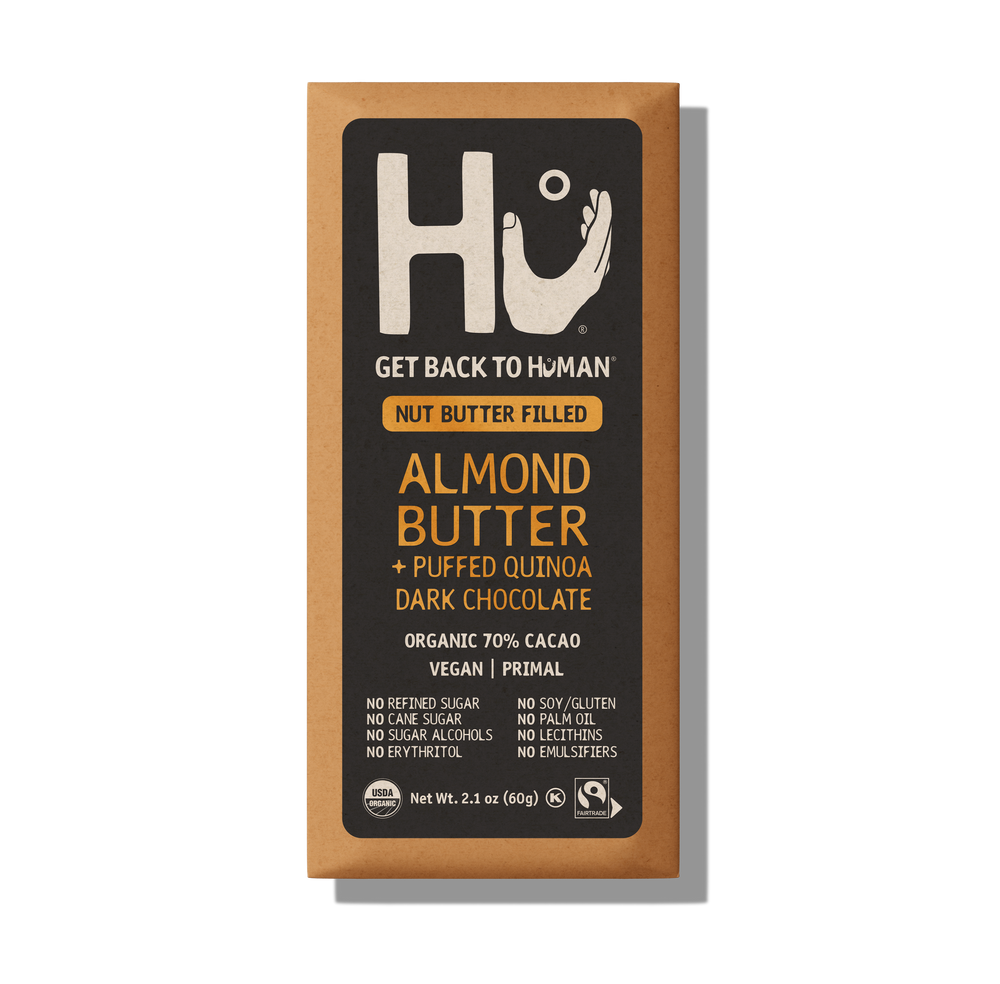
This product contains beneficial ingredients like cacao beans, quinoa, and cocoa butter, which provide antioxidants and healthy fats. However, the presence of refined sugar and sunflower lecithin, along with its processed nature, limits its health benefits. The sugar content and processing level contribute to a moderate score, despite the inclusion of some nutritious components.
Key ingredients 7
Cacao BeansVery Good
Cacao beans are rich in antioxidants, particularly flavonoids, which have been linked to numerous health benefits. They support cardiovascular health and may improve cognitive function. The natural compounds in cacao beans can also enhance mood and provide anti-inflammatory effects.
Benefits
Rich in antioxidants and flavonoids, supporting heart health and cognitive function.
QuinoaVery Good
Quinoa is a nutrient-dense grain that is high in protein and contains all nine essential amino acids. It is also rich in fiber, vitamins, and minerals, making it a highly nutritious addition to the diet. Its low glycemic index helps in maintaining stable blood sugar levels.
Benefits
High in protein and fiber, supporting muscle health and digestive function.
Full Cream MilkGood
Full cream milk is a source of high-quality protein and essential nutrients like calcium and vitamin D. It supports bone health and provides a rich source of energy. The fat content in full cream milk can aid in the absorption of fat-soluble vitamins.
Risks
May cause lactose intolerance symptoms in sensitive individuals.
Benefits
Rich in calcium and vitamin D, supporting bone health and providing essential nutrients.
Cocoa ButterGood
Cocoa butter is a natural fat extracted from cacao beans, known for its rich flavor and smooth texture. It contains healthy fats that can support heart health when consumed in moderation. Its antioxidant content may provide additional health benefits.
Risks
Excessive consumption can contribute to high caloric intake and weight gain.
Benefits
Contains healthy fats and antioxidants that may support heart health and reduce oxidative stress.
Vanilla BeansGood
Vanilla beans are a natural source of flavor and contain antioxidants that may provide health benefits. They are minimally processed and add a rich aroma to foods. The use of real vanilla beans is preferable to artificial vanilla flavoring.
Benefits
Contains antioxidants and provides natural flavor without artificial additives.
Pure Cane SugarBad
Refined sugar contributes to high caloric intake without providing essential nutrients. It is associated with increased risk of obesity, type 2 diabetes, and heart disease. Its presence in processed foods is often linked to overconsumption.
Risks
High consumption of refined sugar can lead to weight gain, insulin resistance, and increased risk of chronic diseases.
Sunflower LecithinBad
Sunflower lecithin is used as an emulsifier in processed foods, helping to blend ingredients. While it is less processed than soy lecithin, it still represents an additive that may not provide nutritional benefits. Its use is primarily functional rather than nutritional.
Risks
May cause digestive issues in sensitive individuals.
Processing
Processed Foods
Get the full breakdown in the Scout appTake Scout shopping
Scan any product to see lab results, healthy alternatives, and your personalized analysis.
Download on theApp Store GET IT ONGoogle Play