
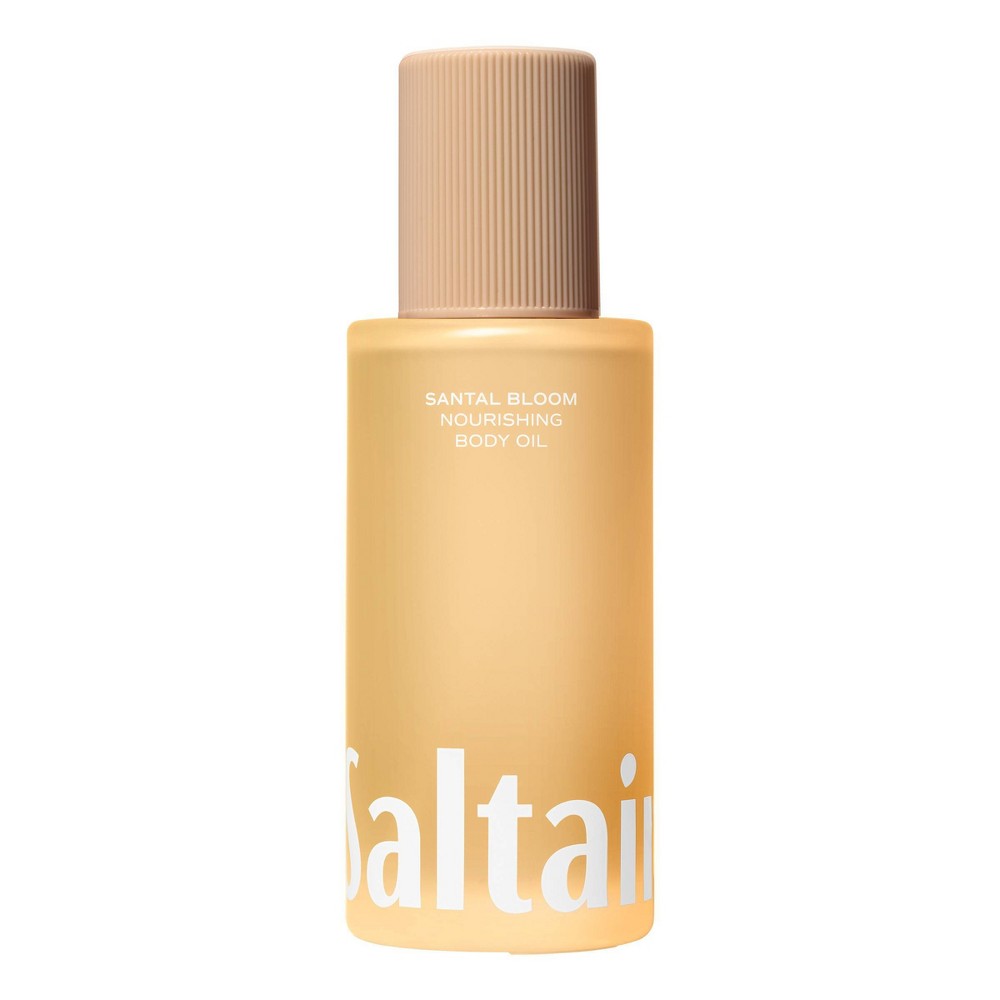
Saltair Nourishing Body Oil for Dewy and Glowing Skin - Santal Bloom - 4 fl oz: Glass Bottle, Recommended for Normal, Combination, Dry Skin
Analysis updated July 2026 · How Scout scores
At a glance
Summary
This body oil contains a mix of natural oils such as castor, olive, and safflower, which are beneficial for skin nourishment. However, the presence of synthetic fragrance detracts from its overall safety profile due to potential skin irritation and endocrine disruption concerns. The product also includes squalane and astaxanthin, which are positive for skin health, but the inclusion of fragrance prevents it from achieving a higher score.
Key ingredients 28
Carthamus Tinctorius (Safflower) Seed OilVery Good
Safflower seed oil is rich in linoleic acid, which helps to maintain the skin's barrier and reduce inflammation. It is a lightweight oil that is easily absorbed, making it suitable for all skin types.
Risks
There is a minimal risk of allergic reactions, although it is rare.
Benefits
It provides moisturizing and anti-inflammatory benefits, helping to keep the skin soft and smooth.
Ricinus Communis (Castor) Seed OilVery Good
Castor oil is known for its moisturizing properties and ability to soothe irritated skin. It contains ricinoleic acid, which has anti-inflammatory effects.
Risks
Some individuals may experience allergic reactions or skin irritation.
Benefits
It deeply moisturizes the skin and can help reduce inflammation and irritation.
Caryodendron Orinocense Seed OilVery Good
Also known as cacay oil, it is rich in vitamins and essential fatty acids, promoting skin regeneration and hydration. It is known for its anti-aging properties.
Risks
Rare risk of allergic reactions.
Benefits
Improves skin elasticity and reduces the appearance of fine lines and wrinkles.
Aleurites Moluccanus Seed OilVery Good
Commonly known as kukui nut oil, it is rich in essential fatty acids and vitamins, providing deep hydration and soothing irritated skin. It is traditionally used for its healing properties.
Risks
Minimal risk of allergic reactions.
Benefits
Helps to soothe and moisturize dry, damaged skin.
SqualaneVery Good
Squalane is a highly effective emollient and natural antioxidant. It mimics the skin's natural oils, making it an excellent moisturizer.
Risks
Generally considered safe with a low risk of irritation.
Benefits
Provides deep hydration and helps to maintain the skin's moisture barrier.
Limnanthes Alba (Meadowfoam) Seed OilVery Good
Meadowfoam seed oil is known for its stability and moisturizing properties. It forms a protective barrier to lock in moisture.
Risks
Low risk of irritation or allergic reactions.
Benefits
Enhances skin hydration and provides a smooth, non-greasy feel.
Haematococcus Pluvialis ExtractVery Good
This extract is a rich source of astaxanthin, a powerful antioxidant that helps protect the skin from oxidative stress. It is known for its anti-aging benefits.
Risks
Generally safe with low risk of irritation.
Benefits
Provides strong antioxidant protection and helps to reduce signs of aging.
AstaxanthinVery Good
Astaxanthin is a potent antioxidant that helps to protect the skin from free radical damage. It is known for its anti-inflammatory and anti-aging properties.
Risks
Low risk of irritation or allergic reactions.
Benefits
Helps to improve skin elasticity and reduce the appearance of fine lines and wrinkles.
Apricot Kernel OilVery Good
Apricot kernel oil is rich in vitamins A and E, providing nourishing and moisturizing benefits. It is easily absorbed and suitable for sensitive skin.
Risks
Minimal risk of allergic reactions.
Benefits
Moisturizes and nourishes the skin, leaving it soft and supple.
Olive Fruit OilVery Good
Olive oil is rich in antioxidants and essential fatty acids, providing deep hydration and nourishment. It is known for its anti-inflammatory properties.
Risks
May cause breakouts in acne-prone skin due to its heavy nature.
Benefits
Deeply moisturizes and nourishes the skin, helping to improve its texture and appearance.
Sunflower Seed OilVery Good
Sunflower seed oil is high in vitamin E and essential fatty acids, providing moisturizing and protective benefits. It is lightweight and non-comedogenic.
Risks
Low risk of irritation or allergic reactions.
Benefits
Helps to maintain the skin's natural barrier and improve hydration.
Sweet Almond OilVery Good
Sweet almond oil is rich in vitamins A and E, providing nourishing and moisturizing benefits. It is suitable for all skin types and helps to soothe irritated skin.
Risks
Minimal risk of allergic reactions, particularly in those with nut allergies.
Benefits
Moisturizes and nourishes the skin, leaving it soft and smooth.
Tetrahexyldecyl AscorbateVery Good
This is a stable form of vitamin C that penetrates the skin effectively. It is known for its antioxidant and brightening properties.
Risks
Generally considered safe with low risk of irritation.
Benefits
Helps to brighten the skin and reduce the appearance of fine lines and wrinkles.
Linoleic AcidVery Good
Linoleic acid is an essential fatty acid that helps to maintain the skin's barrier function. It is known for its moisturizing and anti-inflammatory properties.
Risks
Low risk of irritation or allergic reactions.
Benefits
Improves skin hydration and helps to reduce inflammation.
TocopherolVery Good
Tocopherol, also known as vitamin E, is a powerful antioxidant that helps to protect the skin from oxidative stress. It is known for its moisturizing and anti-inflammatory properties.
Risks
Generally considered safe with low risk of irritation.
Benefits
Provides antioxidant protection and helps to moisturize and soothe the skin.
Caprylic/Capric TriglycerideGood
This ingredient is derived from coconut oil and glycerin, providing a lightweight and non-greasy emollient effect. It helps to improve the spreadability of products.
Risks
Generally considered safe with low risk of irritation.
Benefits
It enhances skin hydration and provides a silky feel without clogging pores.
Pongamia Glabra Seed OilGood
Also known as karanja oil, it has natural UV protection properties and is rich in flavonoids. It is used for its skin conditioning benefits.
Risks
Potential for mild skin irritation in sensitive individuals.
Benefits
Offers natural sun protection and helps to condition and nourish the skin.
Saururus Chinensis ExtractGood
This extract is known for its skin brightening and anti-inflammatory properties. It helps to even out skin tone and reduce redness.
Risks
Potential for mild irritation in sensitive skin.
Benefits
Helps to brighten the skin and reduce the appearance of dark spots.
Plumeria Acutifolia Flower ExtractGood
Plumeria flower extract is known for its soothing and moisturizing properties. It provides a pleasant fragrance and helps to calm irritated skin.
Risks
Low risk of irritation or allergic reactions.
Benefits
Soothes and moisturizes the skin, providing a calming effect.
Phytosteryl Canola GlyceridesGood
This ingredient is derived from canola oil and provides moisturizing and skin conditioning benefits. It helps to improve the skin's barrier function.
Risks
Low risk of irritation or allergic reactions.
Benefits
Enhances skin hydration and helps to maintain the skin's natural barrier.
Oleic AcidGood
Oleic acid is a monounsaturated fatty acid that provides moisturizing and anti-inflammatory benefits. It helps to improve the skin's texture and appearance.
Risks
May cause breakouts in acne-prone skin due to its heavy nature.
Benefits
Deeply moisturizes the skin and helps to reduce inflammation.
Palmitic AcidNeutral
Palmitic acid is a fatty acid that acts as an emollient and surfactant in cosmetic formulations. It helps to improve the texture and spreadability of products.
Risks
Generally considered safe with low risk of irritation.
Benefits
Provides emollient properties and helps to stabilize formulations.
Stearic AcidNeutral
Stearic acid is a fatty acid used as an emulsifier and thickening agent in cosmetics. It helps to stabilize formulations and improve texture.
Risks
Generally considered safe with low risk of irritation.
Benefits
Improves product stability and texture.
TrioleinNeutral
Triolein is a triglyceride that acts as an emollient and skin conditioning agent. It helps to improve the texture and spreadability of products.
Risks
Generally considered safe with low risk of irritation.
Benefits
Provides emollient properties and helps to condition the skin.
WaterNeutral
Water is used as a solvent in cosmetic formulations, helping to dissolve other ingredients and improve texture. It is a common component in many skincare products.
Benefits
Acts as a solvent and helps to improve the texture and spreadability of products.
Benzotriazolyl Dodecyl P-CresolNeutral
This ingredient is used as a UV absorber and stabilizer in cosmetic formulations. It helps to protect products from degradation due to UV exposure.
Risks
Generally considered safe with low risk of irritation.
Benefits
Helps to stabilize formulations and protect them from UV degradation.
LecithinBad
Processed additive flagged under Scout's ingredient doctrine.
Risks
Generally considered safe with low risk of irritation.
Benefits
Helps to improve skin hydration and texture.
Fragrance (Parfum)Very Bad
Fragrance is often a mixture of various chemicals and can cause skin irritation or allergic reactions. It is a common sensitizer in cosmetic products.
Risks
Potential for allergic reactions and skin irritation, especially in sensitive individuals.
Benefits
Provides a pleasant scent to the product, enhancing user experience.
Get the full breakdown in the Scout appTake Scout shopping
Scan any product to see lab results, healthy alternatives, and your personalized analysis.
Download on theApp Store GET IT ONGoogle PlayAmazon pricing & content
Amazon price as of . Product prices and availability are accurate as of the date/time indicated and are subject to change. Any price and availability information displayed on Amazon.com at the time of purchase will apply to the purchase of this product.
CERTAIN CONTENT THAT APPEARS ON THIS SITE COMES FROM AMAZON. THIS CONTENT IS PROVIDED “AS IS” AND IS SUBJECT TO CHANGE OR REMOVAL AT ANY TIME.