


At a glance
Summary
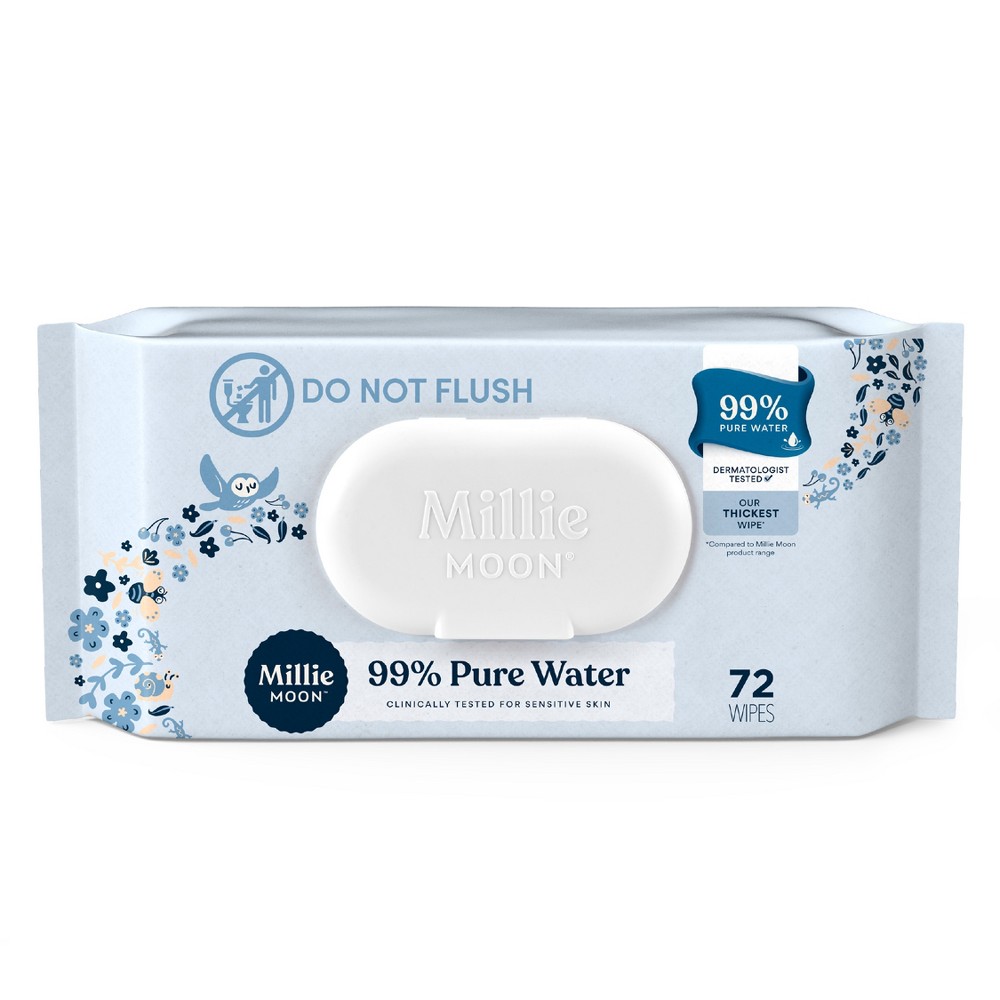
This product features a clean ingredient list with beneficial components like cucumber extract, decyl glucoside, and glycerin, which are known for their soothing and hydrating properties. The absence of harsh chemicals, synthetic fragrances, and known irritants contributes positively to its safety profile. However, as a processed product, it cannot achieve the highest score despite its clean formulation.
Key ingredients 9
Cucumis Sativus (Cucumber) Fruit ExtractVery Good
Cucumber extract is known for its soothing and hydrating properties. It contains antioxidants and vitamins that can help reduce swelling and irritation. It is often used in skincare for its cooling effect.
Risks
There are minimal risks associated with cucumber extract, though rare allergic reactions can occur.
Benefits
Cucumber extract provides hydration and has anti-inflammatory properties, making it beneficial for sensitive skin.
Decyl GlucosideGood
Decyl glucoside is a mild, non-ionic surfactant derived from glucose and coconut oil. It is gentle on the skin and suitable for sensitive skin types. It is often used in baby products due to its low irritation potential.
Risks
There are no significant risks associated with decyl glucoside.
Benefits
Decyl glucoside is a gentle cleanser that helps to remove dirt and oil without stripping the skin's natural moisture.
GlycerinGood
Glycerin is a humectant that attracts moisture to the skin. It is widely used in skincare for its hydrating properties. It helps to maintain the skin's moisture barrier.
Risks
There are no significant risks associated with glycerin.
Benefits
Glycerin provides deep hydration and helps to keep the skin soft and supple.
Aqua (Water)Neutral
Water is a universal solvent and is used as a base in many cosmetic products. It helps dissolve other ingredients and provides hydration. It is generally considered safe and non-irritating.
Risks
There are no significant risks associated with water in cosmetics.
Benefits
Water helps to hydrate the skin and acts as a carrier for other beneficial ingredients.
Trisodium Ethylenediamine DisuccinateNeutral
This ingredient is a chelating agent that helps to stabilize formulations by binding metal ions. It enhances the effectiveness of preservatives. It is considered safe for use in cosmetics.
Risks
There are no significant risks associated with this ingredient.
Benefits
It helps to improve the stability and shelf-life of cosmetic products.
Citric AcidNeutral
Citric acid is used to adjust the pH of cosmetic products. It can also act as a mild exfoliant. It is generally safe when used in appropriate concentrations.
Risks
In high concentrations, citric acid can cause skin irritation.
Benefits
It helps to maintain the pH balance of the product and can gently exfoliate the skin.
Caprylyl GlycolNeutral
Caprylyl glycol is a skin conditioning agent and preservative. It helps to improve the texture of formulations and provides antimicrobial properties. It is generally considered safe for use in cosmetics.
Risks
There are no significant risks associated with caprylyl glycol.
Benefits
It helps to condition the skin and extend the shelf-life of products.
EthylhexylglycerinNeutral
Ethylhexylglycerin is used as a preservative and skin conditioning agent. It enhances the efficacy of other preservatives and provides mild antimicrobial effects. It is considered safe for use in cosmetics.
Risks
There are no significant risks associated with ethylhexylglycerin.
Benefits
It helps to preserve the product and condition the skin.
Sodium BenzoateBad
Synthetic preservative that can form benzene in the presence of vitamin C.
Risks
In rare cases, it can cause skin irritation or allergic reactions.
Benefits
It effectively preserves the product by inhibiting the growth of bacteria and fungi.
Processing
Unprocessed or Minimally Processed Foods
Get the full breakdown in the Scout appTake Scout shopping
Scan any product to see lab results, healthy alternatives, and your personalized analysis.
Download on theApp Store GET IT ONGoogle Play