


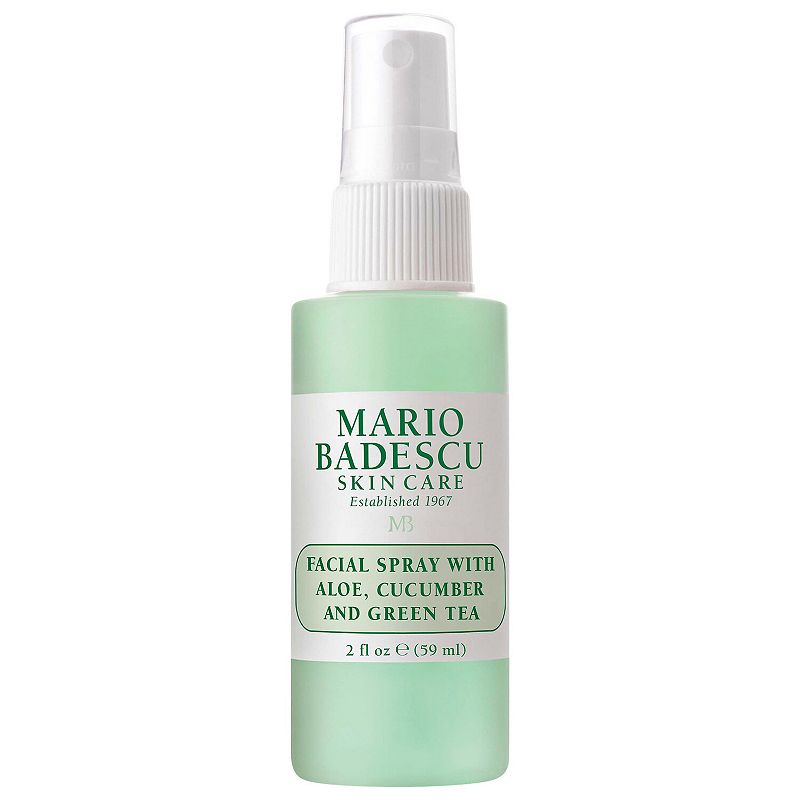
Aloe Vera
Analysis updated August 2026 · How Scout scores
At a glance
Summary
This product contains beneficial ingredients like Aloe Vera Gel, Ascorbic Acid, and Panthenol, which offer soothing, hydrating, and antioxidant benefits. However, the presence of Phenoxyethanol and Limonene, which can cause skin irritation and sensitization, slightly lowers its safety profile. The inclusion of synthetic polymers and preservatives indicates a moderate level of processing, impacting the overall score.
Key ingredients 16
Aloe Vera GelVery Good
Aloe Vera Gel is known for its soothing and moisturizing properties, making it beneficial for skin care. It contains vitamins, enzymes, and amino acids that help in skin healing and hydration.
Risks
There are minimal risks associated with Aloe Vera Gel, though some individuals may experience allergic reactions.
Benefits
It provides excellent hydration and has anti-inflammatory properties that can help soothe irritated skin.
Aloe Barbadensis (Aloe Vera) Leaf Juice (Organic)Very Good
Organic Aloe Vera Leaf Juice is rich in vitamins and minerals, offering soothing and hydrating benefits for the skin. It is known for its healing properties.
Risks
Minimal risk of allergic reactions in sensitive individuals.
Benefits
Provides deep hydration and has anti-inflammatory effects, making it ideal for soothing irritated skin.
Ascorbic AcidGood
Ascorbic Acid, or Vitamin C, is a powerful antioxidant that helps protect the skin from free radical damage. It also aids in collagen production, improving skin elasticity.
Risks
High concentrations can cause skin irritation or redness in sensitive individuals.
Benefits
It brightens the skin and reduces signs of aging by promoting collagen synthesis.
PanthenolGood
Panthenol, also known as Provitamin B5, is a moisturizing agent that helps improve skin hydration and elasticity. It is well-tolerated by most skin types.
Risks
Rarely causes skin irritation or allergic reactions.
Benefits
Promotes skin healing and improves moisture retention, leading to softer, smoother skin.
Seaweed extractGood
Seaweed extract is rich in vitamins, minerals, and antioxidants, offering nourishing and hydrating benefits for the skin. It is known for its anti-inflammatory properties.
Risks
Minimal risk of allergic reactions, though rare.
Benefits
Helps soothe and hydrate the skin, improving its overall appearance and health.
SorbitolNeutral
Sorbitol is a sugar alcohol used as a humectant in cosmetics to help retain moisture. It is generally considered safe and non-irritating for most skin types.
Risks
In rare cases, sorbitol can cause skin irritation or allergic reactions.
Benefits
It helps in maintaining skin moisture, which can improve skin texture and appearance.
Citric AcidNeutral
Citric Acid is used to adjust the pH of cosmetic products and can also act as a mild exfoliant. It is generally safe in low concentrations.
Risks
In higher concentrations, it can cause skin irritation or sensitivity.
Benefits
It helps in maintaining the stability and effectiveness of the product by balancing pH levels.
Xanthan GumNeutral
Xanthan Gum is used as a thickening agent in cosmetics, providing a smooth texture. It is derived from natural sources and is generally considered safe.
Risks
Rarely, it may cause skin irritation or allergic reactions.
Benefits
Improves the texture and consistency of cosmetic products.
Sodium HydroxideNeutral
Sodium Hydroxide is used to adjust the pH of cosmetic products. It is effective in small amounts and is generally considered safe when used appropriately.
Risks
Can cause skin irritation or burns if used in high concentrations.
Benefits
Helps maintain the desired pH level of cosmetic products, ensuring their effectiveness and safety.
Benzoic AcidNeutral
Benzoic Acid is used as a preservative in cosmetics to inhibit microbial growth. It is generally recognized as safe in low concentrations.
Risks
May cause skin irritation or allergic reactions in sensitive individuals.
Benefits
Helps maintain product integrity by preventing spoilage and microbial contamination.
Potassium SorbateBad
Synthetic preservative — flagged in daily-use products.
Risks
May cause mild skin irritation in sensitive individuals.
Benefits
Extends the shelf life of products by preventing microbial growth.
Sodium BenzoateBad
Synthetic preservative that can form benzene in the presence of vitamin C.
Risks
Can cause skin irritation in some people, especially in high concentrations.
Benefits
Helps maintain product integrity by preventing spoilage.
Acrylates/C10-30 Alkyl Acrylate CrosspolymerBad
Processed additive flagged under Scout's ingredient doctrine.
Risks
May cause skin irritation in some individuals, particularly those with sensitive skin.
Benefits
Enhances the texture and stability of cosmetic formulations.
Disodium EDTABad
Processed additive flagged under Scout's ingredient doctrine.
Risks
May cause skin irritation in sensitive individuals.
Benefits
Enhances the stability and shelf life of cosmetic formulations.
PhenoxyethanolBad
Phenoxyethanol is a preservative used in cosmetics to prevent microbial growth. It is effective but can cause skin irritation in some individuals.
Risks
Potential for skin irritation and allergic reactions, especially in sensitive skin.
Benefits
Prevents the growth of bacteria and fungi, extending the product's shelf life.
LimoneneBad
Limonene is a fragrance component that can cause skin irritation and sensitization. It is a known allergen and can oxidize to form skin-irritating compounds.
Risks
High potential for causing allergic reactions and skin irritation, especially in sensitive individuals.
Benefits
Provides a pleasant citrus scent to cosmetic products.
Get the full breakdown in the Scout appTake Scout shopping
Scan any product to see lab results, healthy alternatives, and your personalized analysis.
Download on theApp Store GET IT ONGoogle PlayAmazon pricing & content
Amazon price as of . Product prices and availability are accurate as of the date/time indicated and are subject to change. Any price and availability information displayed on Amazon.com at the time of purchase will apply to the purchase of this product.
CERTAIN CONTENT THAT APPEARS ON THIS SITE COMES FROM AMAZON. THIS CONTENT IS PROVIDED “AS IS” AND IS SUBJECT TO CHANGE OR REMOVAL AT ANY TIME.