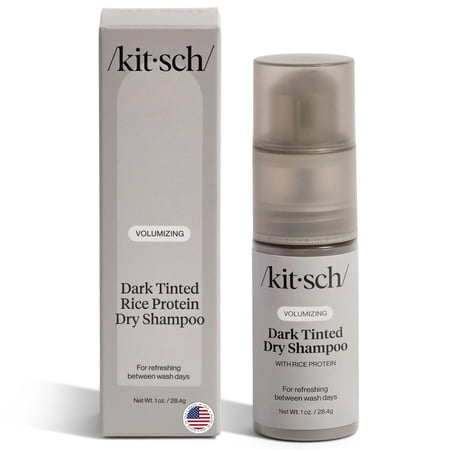
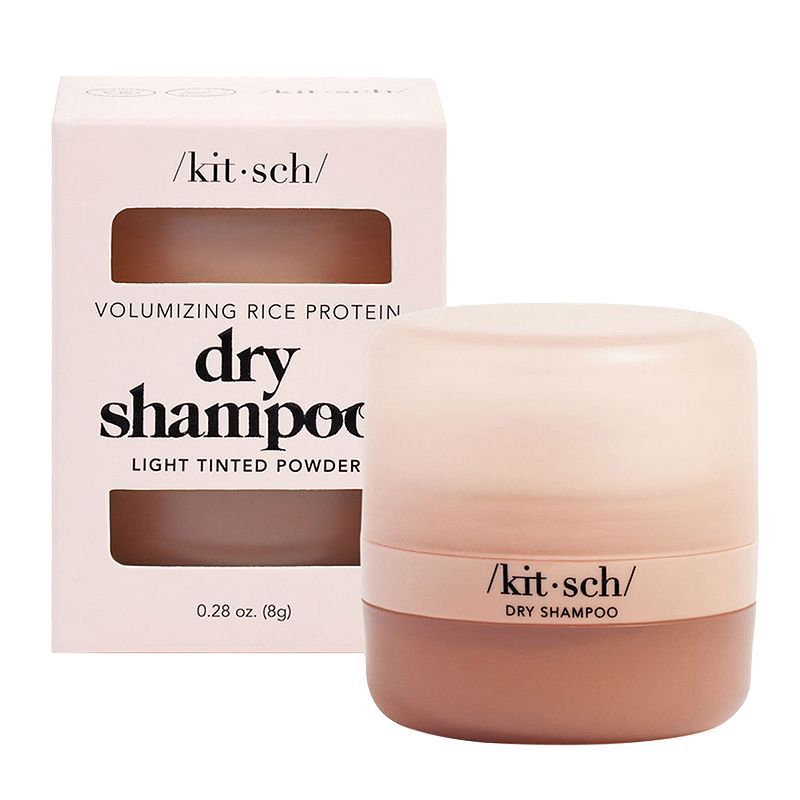
Volumizing Rice Protein Dry Shampoo
At a glance
Summary
This dry shampoo contains several beneficial ingredients like hydrolyzed rice protein, niacinamide, and glycerin, which support hair health and hydration. However, the presence of benzyl alcohol, a drying alcohol, may cause scalp irritation and dryness, which slightly detracts from its overall safety profile. The product is free from sulfates, silicones, and parabens, contributing to a generally clean formulation with minor concerns. Its plastic packaging can shed microplastics into the product and lowers its score.
Key ingredients 21
Maranta Arundinacea Root ExtractGood
Maranta Arundinacea Root Extract, also known as arrowroot, is a natural absorbent. It helps to absorb oils and impurities from the scalp. It is gentle and suitable for sensitive skin.
Risks
There are no significant risks associated with this ingredient.
Benefits
It provides a natural alternative to synthetic absorbents, enhancing the product's natural profile.
MicaGood
Beneficial ingredient — whole-food or functional value in this product class.
Risks
There are minimal risks, though inhalation of fine particles should be avoided.
Benefits
It enhances the aesthetic appeal of the product by adding a subtle shine.
Saccharomyces FermentGood
Saccharomyces Ferment is a probiotic ingredient that can help balance the scalp's microbiome. It may improve scalp health and reduce irritation. It is derived from yeast fermentation.
Risks
There are minimal risks associated with this ingredient.
Benefits
It supports a healthy scalp environment, potentially reducing dandruff and irritation.
NiacinamideGood
Niacinamide is a form of Vitamin B3 that supports scalp health. It can improve the appearance of hair by enhancing its strength and shine. It is known for its anti-inflammatory properties.
Risks
There are minimal risks, though overuse may cause irritation.
Benefits
It promotes a healthy scalp and can improve hair texture and appearance.
Hydrolyzed Rice ProteinGood
Hydrolyzed Rice Protein is used to strengthen and volumize hair. It helps to repair and protect hair from damage. It is a plant-derived protein, making it suitable for natural formulations.
Risks
There are minimal risks associated with this ingredient.
Benefits
It enhances hair strength and volume, providing a fuller appearance.
GlycerinGood
Glycerin is a humectant that attracts moisture to the hair and scalp. It helps to maintain hydration and prevent dryness. It is a common ingredient in moisturizing formulations.
Risks
There are minimal risks, though excessive use may lead to buildup.
Benefits
It helps to keep hair hydrated and reduces frizz.
Magnolia Officinalis Bark ExtractGood
Magnolia Officinalis Bark Extract is known for its anti-inflammatory and antioxidant properties. It can soothe the scalp and protect against environmental damage. It is derived from the bark of the magnolia tree.
Risks
There are minimal risks associated with this ingredient.
Benefits
It helps to calm and protect the scalp, promoting overall scalp health.
Withania Somnifera Root ExtractGood
Withania Somnifera Root Extract, also known as Ashwagandha, is known for its adaptogenic properties. It can help reduce stress-related hair loss and improve scalp health. It is a traditional herb used in Ayurvedic medicine.
Risks
There are minimal risks, though it may cause irritation in sensitive individuals.
Benefits
It supports scalp health and may reduce hair loss due to stress.
Zea Mays (Corn) StarchNeutral
Zea Mays (Corn) Starch is commonly used as an absorbent in dry shampoos. It helps to soak up excess oil from the scalp, providing a refreshed look. However, it does not offer any conditioning benefits.
Risks
There are minimal risks associated with corn starch, though it may cause buildup if not washed out properly.
Benefits
It effectively absorbs oil and adds volume to hair without the need for water.
Sodium CarbonateNeutral
Sodium Carbonate is used to adjust the pH of cosmetic products. It helps maintain the stability and effectiveness of the formula. It does not directly benefit hair health.
Risks
Excessive use can lead to scalp dryness or irritation.
Benefits
It ensures the product remains effective and stable over time.
Silica SilylateNeutral
Silica Silylate is used to provide texture and volume to hair products. It helps in absorbing oil and adding a matte finish. It does not offer conditioning benefits.
Risks
Inhalation of silica particles can be harmful, though this risk is minimal in topical applications.
Benefits
It effectively adds volume and texture to hair, making it appear fuller.
PropanediolNeutral
Propanediol is used as a solvent and humectant in cosmetic formulations. It helps to improve the texture and spreadability of the product. It is generally considered safe for use in cosmetics.
Risks
There are minimal risks, though it may cause irritation in sensitive individuals.
Benefits
It enhances the product's texture and helps retain moisture in the hair.
HydroxyacetophenoneNeutral
Hydroxyacetophenone is an antioxidant and preservative booster. It helps to stabilize the product and extend its shelf life. It does not directly benefit hair health.
Risks
There are minimal risks associated with this ingredient.
Benefits
It enhances the stability and longevity of the product.
WaterNeutral
Water is a common solvent in cosmetic products. It helps to dissolve other ingredients and create a uniform mixture. It does not provide direct benefits to hair in dry shampoo formulations.
Risks
There are no significant risks associated with water.
Benefits
It acts as a carrier for other ingredients, ensuring even distribution.
Lauroyl LysineNeutral
Lauroyl Lysine is used to improve the texture and feel of cosmetic products. It provides a silky feel and enhances spreadability. It does not offer direct benefits to hair health.
Risks
There are minimal risks associated with this ingredient.
Benefits
It improves the sensory experience of using the product.
Iron Oxide Ci 77499Neutral
Iron Oxide Ci 77499 is used as a colorant in cosmetic products. It provides pigmentation without affecting hair health. It is inert and does not react with other ingredients.
Risks
There are minimal risks associated with this ingredient.
Benefits
It adds color to the product, enhancing its visual appeal.
Iron Oxide Ci 77491Neutral
Iron Oxide Ci 77491 is used as a colorant in cosmetic products. It provides pigmentation without affecting hair health. It is inert and does not react with other ingredients.
Risks
There are minimal risks associated with this ingredient.
Benefits
It adds color to the product, enhancing its visual appeal.
Titanium Dioxide Ci 77891Neutral
Titanium Dioxide Ci 77891 is used as a colorant and UV filter in cosmetic products. It provides opacity and sun protection. It is inert and does not react with other ingredients.
Risks
There are minimal risks, though inhalation of fine particles should be avoided.
Benefits
It adds color and provides some UV protection to the product.
Benzyl AlcoholBad
Benzyl Alcohol is used as a preservative and solvent in cosmetic products. It can be drying to the scalp and may cause irritation. It is considered a drying alcohol in hair care formulations.
Risks
It may cause dryness and irritation, especially in sensitive individuals.
Benefits
It helps to preserve the product and prevent microbial growth.
Potassium SorbateBad
Synthetic preservative — flagged in daily-use products.
Risks
There are minimal risks, though it may cause irritation in sensitive individuals.
Benefits
It effectively preserves the product, ensuring safety and longevity.
Sodium BenzoateBad
Synthetic preservative that can form benzene in the presence of vitamin C.
Risks
There are minimal risks, though it may cause irritation in sensitive individuals.
Benefits
It ensures the product remains safe and effective over time.
Processing
Processed Foods
Get the full breakdown in the Scout appTake Scout shopping
Scan any product to see lab results, healthy alternatives, and your personalized analysis.
Amazon pricing & content
Amazon price as of . Product prices and availability are accurate as of the date/time indicated and are subject to change. Any price and availability information displayed on Amazon.com at the time of purchase will apply to the purchase of this product.
CERTAIN CONTENT THAT APPEARS ON THIS SITE COMES FROM AMAZON. THIS CONTENT IS PROVIDED “AS IS” AND IS SUBJECT TO CHANGE OR REMOVAL AT ANY TIME.