




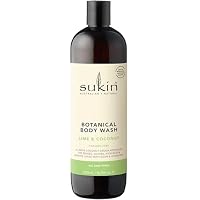
Sukin Natural Balance Shampoo - 16.9 fl oz
Analysis updated August 2026 · How Scout scores
At a glance
Summary
This shampoo features several beneficial ingredients such as aloe vera, baobab seed oil, and nettle leaf extract, which provide hydration, nourishment, and scalp health benefits. However, the presence of sodium chloride, phenoxyethanol, and benzyl alcohol, which can cause dryness and irritation, slightly detracts from its overall safety profile. The product is mostly clean with a few minor concerns, making it a good choice for those seeking a gentle hair care option.
Key ingredients 22
sodium seed oil (baobab)Very Good
Baobab seed oil is rich in vitamins and antioxidants, providing nourishment and hydration to the hair. It helps to strengthen and condition the hair, making it a valuable ingredient in hair care.
Risks
There are minimal risks, though some individuals may experience allergic reactions.
Benefits
Baobab oil nourishes and strengthens hair, improving its overall health and appearance.
aloe barbadensis leaf juiceGood
Aloe vera is known for its hydrating and soothing properties. It helps to moisturize the scalp and hair, reducing dryness and irritation. It is a beneficial ingredient in hair care products.
Risks
There are minimal risks associated with aloe vera, though some individuals may experience allergic reactions.
Benefits
Aloe vera provides hydration and can soothe an irritated scalp.
equisetum arvense extract (horsetail)Good
Horsetail extract is known for its high silica content, which can strengthen hair and promote growth. It also has antioxidant properties that protect hair from damage.
Risks
Excessive use may lead to skin irritation in sensitive individuals.
Benefits
It strengthens hair and promotes healthy growth.
arctium lappa root extract (burdock)Good
Burdock root extract is traditionally used for its soothing and anti-inflammatory properties. It helps to calm the scalp and reduce irritation.
Risks
There are minimal risks, though allergic reactions are possible.
Benefits
It soothes the scalp and reduces inflammation.
lauroyl methyl isethionateGood
Lauroyl methyl isethionate is a mild surfactant that provides gentle cleansing. It is derived from coconut oil and is suitable for sensitive skin.
Risks
There are minimal risks associated with this ingredient.
Benefits
It offers gentle cleansing without stripping natural oils.
adansonia digitata urtica dioica (nettle) leaf extractGood
Nettle leaf extract is rich in vitamins and minerals that promote healthy hair growth. It also helps to reduce dandruff and improve scalp health.
Risks
There are minimal risks, though allergic reactions are possible.
Benefits
It promotes hair growth and improves scalp health.
citrus tangerina (tangerine) peel oilGood
Tangerine peel oil provides a refreshing scent and has antioxidant properties. It helps to invigorate the scalp and improve hair shine.
Risks
May cause skin irritation in sensitive individuals.
Benefits
It invigorates the scalp and enhances hair shine.
citrus nobilis (mandarin orange) peel oilGood
Mandarin orange peel oil offers a pleasant fragrance and has antioxidant benefits. It helps to refresh the scalp and add shine to the hair.
Risks
May cause skin irritation in sensitive individuals.
Benefits
It refreshes the scalp and adds shine to the hair.
lavandula angustifolia (lavender) oilGood
Lavender oil is known for its calming and soothing properties. It helps to relax the scalp and reduce stress-related hair issues.
Risks
May cause skin irritation or allergic reactions in some individuals.
Benefits
It calms the scalp and reduces stress-related hair issues.
tocopherol (vitamin e)Good
Vitamin E is an antioxidant that helps to protect hair from damage caused by free radicals. It also provides moisture and improves hair elasticity.
Risks
There are minimal risks associated with topical use of vitamin E.
Benefits
It protects hair from damage and improves moisture retention.
glycerinGood
Glycerin is a humectant that attracts moisture to the hair and scalp. It helps to keep hair hydrated and prevent dryness.
Risks
There are minimal risks, though excessive use may lead to a sticky residue.
Benefits
It hydrates the hair and prevents dryness.
water (aqua)Neutral
Water is a common solvent used in cosmetic formulations. It helps dissolve other ingredients and provides a base for the product. It does not have any direct benefits or risks in the context of shampoo.
Risks
There are no significant risks associated with water in cosmetic products.
Benefits
Water acts as a carrier for other ingredients, allowing them to be evenly distributed.
cocamidopropyl betaineNeutral
Standard formulation ingredient — neither beneficial nor harmful at typical use.
Risks
In rare cases, it may cause skin irritation or allergic reactions.
Benefits
It provides gentle cleansing and helps maintain the natural moisture balance of the hair.
polyquaternium-10Neutral
Polyquaternium-10 is a conditioning agent that helps to improve hair texture and manageability. It does not have significant risks or benefits beyond its conditioning properties.
Risks
There are minimal risks associated with this ingredient.
Benefits
It improves hair texture and manageability.
sodium chlorideNeutral
Standard formulation ingredient — neither beneficial nor harmful at typical use.
Risks
It can dry out the scalp and cause irritation.
Benefits
It helps to thicken the shampoo formula.
tetrasodium glutamate diacetateNeutral
Tetrasodium glutamate diacetate is a chelating agent that helps to stabilize the product and enhance its effectiveness. It does not have direct benefits or risks for hair health.
Risks
There are minimal risks associated with this ingredient.
Benefits
It stabilizes the product and enhances its effectiveness.
citric acidNeutral
Citric acid is used to adjust the pH of cosmetic products. It helps to maintain the stability and effectiveness of the formula.
Risks
There are minimal risks, though it may cause irritation in sensitive individuals.
Benefits
It helps to maintain the stability and effectiveness of the product.
vanillinBad
Processed additive flagged under Scout's ingredient doctrine.
Risks
There are minimal risks, though some individuals may experience allergic reactions.
Benefits
It provides a pleasant fragrance to the product.
phenoxyethanolBad
Phenoxyethanol is a preservative used to prevent microbial growth in cosmetic products. It can cause skin irritation and allergic reactions in some individuals.
Risks
It may cause skin irritation and allergic reactions.
Benefits
It helps to preserve the product by preventing microbial growth.
benzyl alcoholBad
Benzyl alcohol is used as a preservative and solvent in cosmetic products. It can be drying to the scalp and may cause irritation in sensitive individuals.
Risks
It can dry out the scalp and cause irritation.
Benefits
It acts as a preservative and solvent in the product.
limoneneBad
Processed additive flagged under Scout's ingredient doctrine.
Risks
May cause skin irritation or allergic reactions in some individuals.
Benefits
It provides a citrus fragrance to the product.
linaloolBad
Processed additive flagged under Scout's ingredient doctrine.
Risks
May cause skin irritation or allergic reactions in some individuals.
Benefits
It provides a pleasant floral fragrance to the product.
Processing
Processed Foods
Get the full breakdown in the Scout appTake Scout shopping
Scan any product to see lab results, healthy alternatives, and your personalized analysis.
Download on theApp Store GET IT ONGoogle PlayAmazon pricing & content
Amazon price as of . Product prices and availability are accurate as of the date/time indicated and are subject to change. Any price and availability information displayed on Amazon.com at the time of purchase will apply to the purchase of this product.
CERTAIN CONTENT THAT APPEARS ON THIS SITE COMES FROM AMAZON. THIS CONTENT IS PROVIDED “AS IS” AND IS SUBJECT TO CHANGE OR REMOVAL AT ANY TIME.