

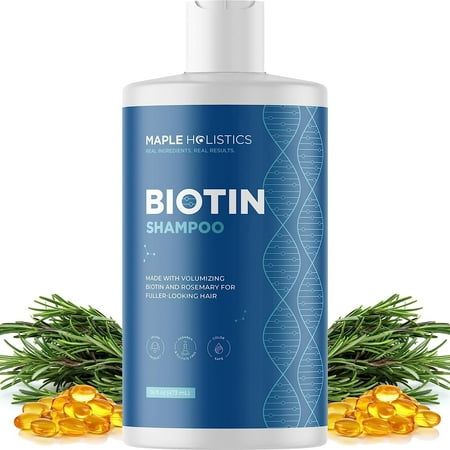

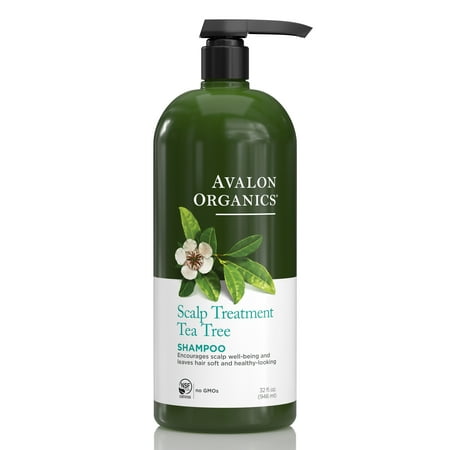
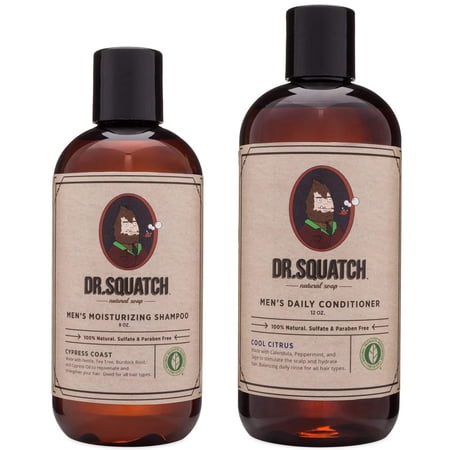
Tea Tree & Lemon Sage Shampoo 24 fl oz (710 ml) Renpure
Analysis updated August 2026 · How Scout scores
At a glance
Summary
This shampoo contains a mix of beneficial and concerning ingredients. It features gentle surfactants like cocamidopropyl betaine and lauryl glucoside, which are mild and derived from natural sources, along with tea tree oil and sage extract for scalp health. However, the presence of phenoxyethanol and synthetic fragrance, which can cause irritation, slightly detracts from its overall safety profile. The product is processed, which limits its maximum potential score.
Key ingredients 21
Lauryl GlucosideVery Good
Lauryl glucoside is a non-ionic surfactant derived from glucose and coconut oil. It is known for its mildness and is suitable for sensitive skin. It helps in cleansing the hair without causing dryness or irritation.
Risks
There are no significant risks associated with lauryl glucoside.
Benefits
It provides a gentle cleansing action and helps in maintaining the hair's natural moisture.
Melaleuca Alternifolia (Tea Tree) Leaf OilVery Good
Tea tree oil is known for its antimicrobial and anti-inflammatory properties. It helps in soothing the scalp and reducing dandruff. It is a natural ingredient that provides a refreshing sensation.
Risks
In some cases, tea tree oil may cause irritation or allergic reactions.
Benefits
It promotes a healthy scalp environment and can help in reducing scalp-related issues.
Decyl GlucosideGood
Decyl glucoside is a mild, non-ionic surfactant derived from natural sources like corn glucose and coconut oil. It is known for its gentle cleansing properties and is suitable for sensitive skin. It effectively removes impurities without stripping the hair of its natural oils.
Risks
There are no known significant risks associated with decyl glucoside.
Benefits
It helps in maintaining the hair's natural moisture balance and provides a soft, smooth feel.
Melissa Officinalis Leaf ExtractGood
Melissa officinalis, also known as lemon balm, is known for its soothing and calming properties. It helps in reducing scalp irritation and provides a pleasant fragrance. It is a natural ingredient that is generally well-tolerated.
Risks
There are minimal risks associated with this ingredient.
Benefits
It helps in calming the scalp and provides a refreshing scent.
Salvia Officinalis (Sage) Leaf ExtractGood
Sage leaf extract is known for its antioxidant and antimicrobial properties. It helps in promoting a healthy scalp and reducing dandruff. It is a natural ingredient that provides a pleasant herbal scent.
Risks
There are minimal risks associated with this ingredient.
Benefits
It supports scalp health and provides a natural fragrance.
GlycerinGood
Glycerin is a well-known humectant that attracts moisture to the hair and scalp. It helps in maintaining hydration levels and preventing dryness. It is a safe and effective ingredient used in many hair care products.
Risks
There are minimal risks associated with glycerin.
Benefits
It provides moisture and improves the overall texture and feel of the hair.
Purified WaterNeutral
Purified water is used as a solvent to dissolve other ingredients in the shampoo. It is a neutral component that does not directly affect the hair or scalp. It serves as a base for the formulation.
Risks
There are no known risks associated with purified water.
Benefits
It helps in evenly distributing the active ingredients across the hair and scalp.
Cocamidopropyl BetaineNeutral
Standard formulation ingredient — neither beneficial nor harmful at typical use.
Risks
In rare cases, it may cause skin irritation or allergic reactions.
Benefits
It provides a rich lather and helps in conditioning the hair, making it feel soft and manageable.
Sodium Lauroyl LactylateNeutral
Standard formulation ingredient — neither beneficial nor harmful at typical use.
Risks
There are minimal risks, though it may cause mild irritation in sensitive individuals.
Benefits
It improves the texture and feel of the hair, making it soft and manageable.
PEG-120 Methyl Glucose DioleateNeutral
PEG-120 methyl glucose dioleate is a thickening agent and emulsifier used in shampoos. It helps in stabilizing the formulation and improving its texture. It is generally considered safe for use in cosmetics.
Risks
There are concerns about PEG compounds potentially being contaminated with harmful impurities.
Benefits
It enhances the viscosity of the shampoo, providing a better user experience.
Methyl Gluceth-10Neutral
Methyl gluceth-10 is a humectant and emollient derived from glucose. It helps in retaining moisture in the hair and scalp. It is generally considered safe and non-irritating.
Risks
There are minimal risks associated with this ingredient.
Benefits
It provides hydration to the hair and scalp, improving overall moisture levels.
Silicone Quaternium-17Neutral
Silicone quaternium-17 is a conditioning agent that helps in smoothing the hair and reducing frizz. It is a water-soluble silicone, which means it is less likely to cause buildup. It provides a silky feel to the hair.
Risks
There are minimal risks, though some individuals may prefer to avoid silicones due to potential buildup concerns.
Benefits
It enhances the manageability and shine of the hair.
Polyquaternium-10Neutral
Polyquaternium-10 is a conditioning polymer that helps in improving the texture and feel of the hair. It provides a protective film that reduces static and enhances shine. It is commonly used in hair care products for its conditioning benefits.
Risks
There are minimal risks associated with this ingredient.
Benefits
It improves the manageability and appearance of the hair.
Polysorbate 20Neutral
Polysorbate 20 is an emulsifier that helps in stabilizing the formulation and ensuring even distribution of ingredients. It is derived from sorbitol and is generally considered safe for use in cosmetics. It helps in improving the texture of the product.
Risks
There are minimal risks, though it may cause mild irritation in sensitive individuals.
Benefits
It enhances the stability and consistency of the shampoo.
Citric AcidNeutral
Citric acid is used to adjust the pH of the shampoo, ensuring it is suitable for hair and scalp. It is a natural ingredient derived from citrus fruits. It helps in maintaining the stability and effectiveness of the formulation.
Risks
There are minimal risks, though it may cause mild irritation in sensitive individuals.
Benefits
It helps in balancing the pH and improving the overall performance of the shampoo.
Phenethyl AlcoholNeutral
Phenethyl alcohol is used as a fragrance ingredient and preservative in cosmetics. It provides a pleasant floral scent and helps in preserving the product. It is generally considered safe for use in cosmetics.
Risks
There are minimal risks, though it may cause mild irritation in sensitive individuals.
Benefits
It enhances the fragrance and shelf life of the shampoo.
Caprylyl GlycolNeutral
Caprylyl glycol is a skin conditioning agent and preservative. It helps in maintaining the moisture balance of the hair and scalp. It is generally considered safe for use in cosmetics.
Risks
There are minimal risks associated with this ingredient.
Benefits
It provides hydration and helps in preserving the product.
EthylhexylglycerinNeutral
Ethylhexylglycerin is a conditioning agent and preservative enhancer. It helps in improving the texture and feel of the hair. It is generally considered safe for use in cosmetics.
Risks
There are minimal risks associated with this ingredient.
Benefits
It enhances the conditioning properties and preservation of the shampoo.
Sodium Lauroyl SarcosinateBad
Processed additive flagged under Scout's ingredient doctrine.
Risks
There are minimal risks associated with this ingredient, though it may cause mild irritation in sensitive individuals.
Benefits
It enhances the texture of the hair, leaving it smooth and shiny.
PhenoxyethanolBad
Phenoxyethanol is a preservative used to prevent microbial growth in cosmetics. It is effective in low concentrations but has been associated with skin irritation. It is a synthetic compound that is commonly used in personal care products.
Risks
It may cause skin irritation or allergic reactions in sensitive individuals.
Benefits
It helps in preserving the product and extending its shelf life.
FragranceVery Bad
Fragrance is used to provide a pleasant scent to the product. However, it is a broad term that can include a variety of synthetic compounds, some of which may cause irritation or allergic reactions. It is often criticized for its lack of transparency.
Risks
It may cause skin irritation or allergic reactions in sensitive individuals.
Benefits
It provides a pleasant scent to the shampoo.
Get the full breakdown in the Scout appTake Scout shopping
Scan any product to see lab results, healthy alternatives, and your personalized analysis.
Download on theApp Store GET IT ONGoogle PlayAmazon pricing & content
Amazon price as of . Product prices and availability are accurate as of the date/time indicated and are subject to change. Any price and availability information displayed on Amazon.com at the time of purchase will apply to the purchase of this product.
CERTAIN CONTENT THAT APPEARS ON THIS SITE COMES FROM AMAZON. THIS CONTENT IS PROVIDED “AS IS” AND IS SUBJECT TO CHANGE OR REMOVAL AT ANY TIME.