

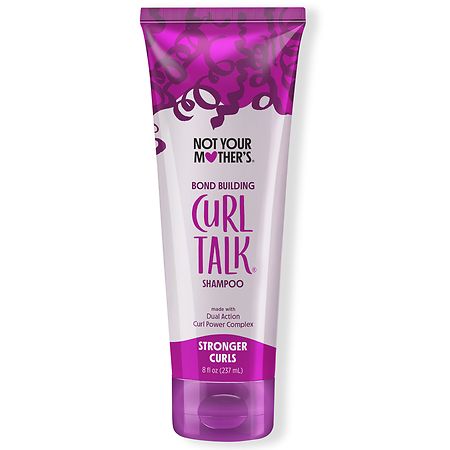
Not Your Mother s Curl Talk Curl Care Shampoo with Rice Curl Complex 12 fl oz
Analysis updated August 2026 · How Scout scores
At a glance
Summary
This shampoo contains several beneficial ingredients such as coconut-derived surfactants, jojoba oil, and rice extract, which are known for their gentle cleansing and conditioning properties. However, the presence of synthetic fragrance and PEG compounds introduces potential concerns regarding skin irritation and chemical exposure. The product is moderately processed, which affects its overall rating despite the inclusion of natural and beneficial components.
Key ingredients 19
Sodium Cocoyl IsethionateVery Good
Sodium Cocoyl Isethionate is a gentle surfactant derived from coconut oil. It is known for its mildness and ability to cleanse without causing dryness. It is often used in formulations for sensitive skin and hair.
Risks
There are minimal risks associated with this ingredient, though it may cause mild irritation in very sensitive individuals.
Benefits
It provides a gentle cleansing action that helps maintain the hair's natural moisture balance.
Simmondsia Chinensis (Jojoba) Seed OilVery Good
Jojoba oil is a natural oil that closely resembles the sebum produced by human skin. It is known for its moisturizing and conditioning properties, making it beneficial for hair care. It helps to nourish and protect the hair without leaving a greasy residue.
Risks
There are minimal risks associated with jojoba oil, though it may cause mild irritation in very sensitive individuals.
Benefits
It deeply conditions the hair, adds shine, and helps to prevent dryness and breakage.
Sodium Lauroyl Methyl IsethionateGood
Sodium Lauroyl Methyl Isethionate is a mild surfactant derived from coconut oil. It is known for its gentle cleansing properties and ability to produce a creamy lather. It is less likely to irritate the skin compared to harsher sulfates.
Risks
There are minimal risks associated with this ingredient, though it may cause mild irritation in very sensitive individuals.
Benefits
It effectively cleanses the hair without stripping natural oils, making it suitable for sensitive scalps.
Lactobacillus/Tomato Fruit Ferment ExtractGood
This extract is used for its potential probiotic benefits and antioxidant properties. It helps to support a healthy scalp environment and protect the hair from environmental damage. It is considered safe and beneficial for hair care.
Risks
There are no significant risks associated with this ingredient in cosmetic formulations.
Benefits
It helps to maintain a balanced scalp microbiome and provides antioxidant protection.
Oryza Sativa (Rice) ExtractGood
Rice extract is known for its strengthening and conditioning properties. It helps to improve hair elasticity and reduce breakage. It is a natural ingredient that is generally considered safe for use in hair care products.
Risks
There are no significant risks associated with rice extract in cosmetic formulations.
Benefits
It strengthens the hair shaft, enhances shine, and reduces hair breakage.
Keratin Amino AcidsGood
Keratin amino acids are derived from the protein keratin, which is a key structural component of hair. They help to strengthen and repair damaged hair by filling in gaps in the hair shaft. They are considered beneficial for improving hair texture and resilience.
Risks
There are no significant risks associated with keratin amino acids in cosmetic formulations.
Benefits
They help to repair and strengthen hair, improving its overall health and appearance.
Leuconostoc/Radish Root Ferment FiltrateGood
This ingredient is used for its natural preservative properties and potential probiotic benefits. It helps to maintain product stability and support a healthy scalp environment. It is considered safe and beneficial for hair care.
Risks
There are no significant risks associated with this ingredient in cosmetic formulations.
Benefits
It acts as a natural preservative and supports a balanced scalp microbiome.
Water (Aqua)Neutral
Water is a universal solvent and is used as a base in many cosmetic products. It helps to dissolve other ingredients and provides a medium for them to be applied to the hair. It does not have any direct benefits or risks when used in shampoos.
Risks
There are no significant risks associated with water in cosmetic formulations.
Benefits
Water helps to hydrate the hair and scalp by providing moisture.
Cocamidopropyl BetaineNeutral
Cocamidopropyl Betaine is a surfactant and foam booster derived from coconut oil. It is commonly used to enhance the texture and feel of shampoos. It is generally considered safe but can cause irritation in some individuals.
Risks
It may cause allergic reactions or irritation in sensitive individuals.
Benefits
It helps to create a rich lather and improve the cleansing efficacy of the shampoo.
Glycol DistearateNeutral
Glycol Distearate is used as a pearlizing agent to give shampoos a creamy appearance. It also acts as an emollient, providing a smooth feel to the hair. It is generally considered safe for use in cosmetics.
Risks
There are no significant risks associated with Glycol Distearate in cosmetic formulations.
Benefits
It enhances the visual appeal of the product and provides a silky texture to the hair.
PEG-150 DistearateNeutral
PEG-150 Distearate is used as a thickening agent in shampoos. It helps to stabilize the formulation and improve its texture. It is generally considered safe, though it may contain impurities if not properly purified.
Risks
There is a potential risk of contamination with impurities if not properly purified.
Benefits
It improves the viscosity and stability of the shampoo, enhancing user experience.
Glycereth-26Neutral
Glycereth-26 is a humectant and emollient that helps to retain moisture in the hair. It is derived from glycerin and is used to improve the texture and feel of hair care products. It is generally considered safe for use.
Risks
There are no significant risks associated with Glycereth-26 in cosmetic formulations.
Benefits
It helps to keep the hair hydrated and smooth by attracting moisture.
Acyl Coenzyme A DesaturaseNeutral
Acyl Coenzyme A Desaturase is an enzyme involved in lipid metabolism. Its specific role in hair care products is not well-documented, but it may contribute to the overall formulation stability. It is generally considered safe for use.
Risks
There are no significant risks associated with this ingredient in cosmetic formulations.
Benefits
It may contribute to the stability and efficacy of the product formulation.
Polyquaternium-10Neutral
Polyquaternium-10 is a conditioning agent that helps to improve the texture and manageability of hair. It forms a protective film on the hair shaft, reducing static and enhancing smoothness. It is generally considered safe for use in hair care products.
Risks
There are no significant risks associated with Polyquaternium-10 in cosmetic formulations.
Benefits
It improves hair manageability, reduces static, and enhances smoothness.
EthylhexylglycerinNeutral
Ethylhexylglycerin is used as a skin conditioning agent and preservative enhancer. It helps to improve the efficacy of other preservatives and provides a smooth feel to the product. It is generally considered safe for use in cosmetics.
Risks
There are no significant risks associated with Ethylhexylglycerin in cosmetic formulations.
Benefits
It enhances the preservation of the product and provides a smooth texture.
Citric AcidNeutral
Citric acid is used to adjust the pH of cosmetic formulations. It helps to maintain the stability and efficacy of the product. It is generally considered safe for use in cosmetics.
Risks
There are no significant risks associated with citric acid in cosmetic formulations.
Benefits
It helps to maintain the pH balance of the product, ensuring its stability and effectiveness.
Disodium EDTABad
Processed additive flagged under Scout's ingredient doctrine.
Risks
There are no significant risks associated with Disodium EDTA in cosmetic formulations.
Benefits
It enhances product stability and prevents metal ions from affecting the formulation.
PhenoxyethanolBad
Processed additive flagged under Scout's ingredient doctrine.
Risks
It may cause skin irritation or allergic reactions in sensitive individuals.
Benefits
It helps to preserve the product and extend its shelf life by preventing microbial contamination.
Fragrance (Parfum)Very Bad
Fragrance is used to impart a pleasant scent to the product. However, it can be a mixture of various chemicals, some of which may cause allergic reactions or irritation. The exact composition is often undisclosed, leading to concerns about potential allergens.
Risks
Fragrance can cause skin irritation, allergic reactions, and may contain undisclosed harmful chemicals.
Benefits
It provides a pleasant scent to the product, enhancing the user experience.
Get the full breakdown in the Scout appTake Scout shopping
Scan any product to see lab results, healthy alternatives, and your personalized analysis.
Download on theApp Store GET IT ONGoogle PlayAmazon pricing & content
Amazon price as of . Product prices and availability are accurate as of the date/time indicated and are subject to change. Any price and availability information displayed on Amazon.com at the time of purchase will apply to the purchase of this product.
CERTAIN CONTENT THAT APPEARS ON THIS SITE COMES FROM AMAZON. THIS CONTENT IS PROVIDED “AS IS” AND IS SUBJECT TO CHANGE OR REMOVAL AT ANY TIME.