

At a glance
Summary
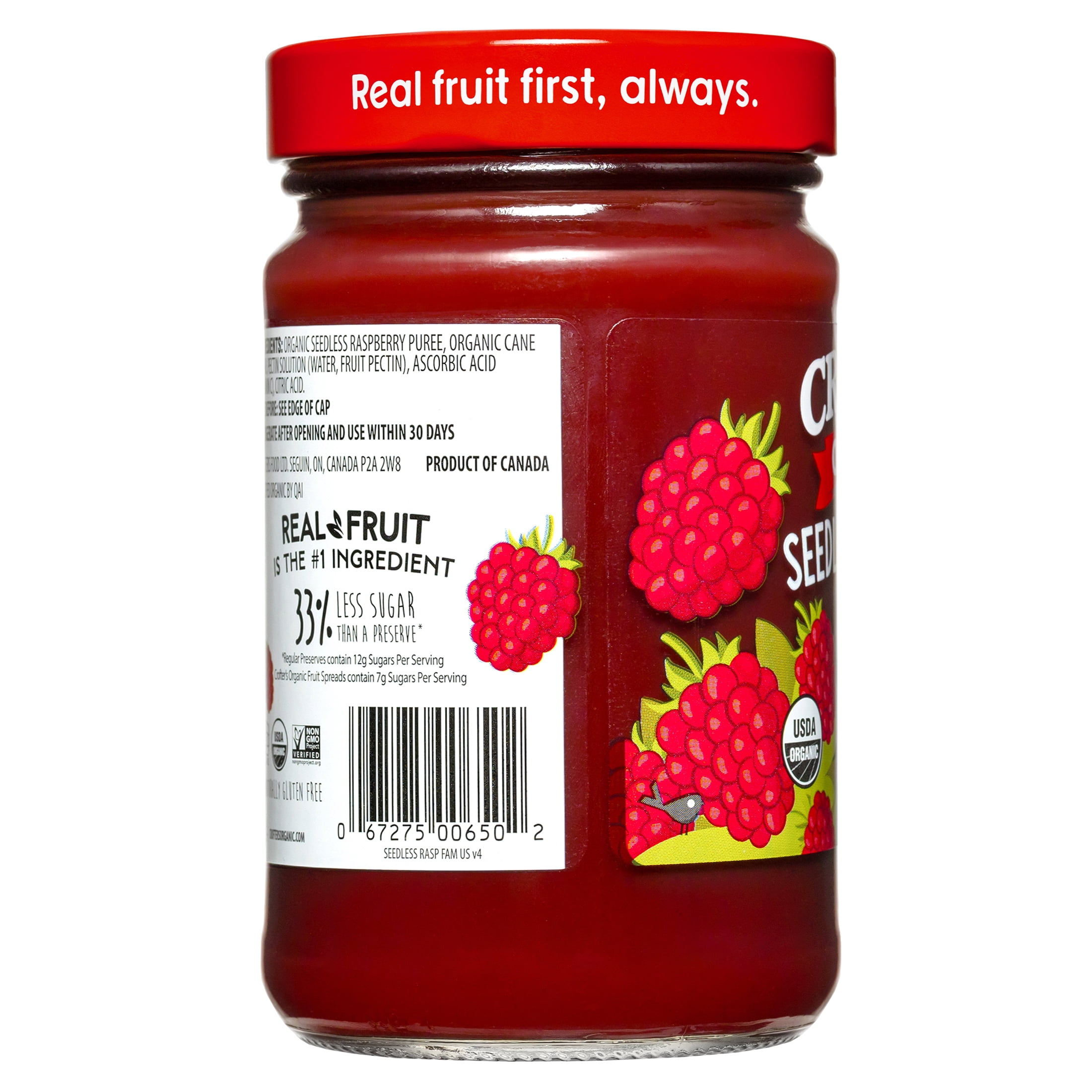
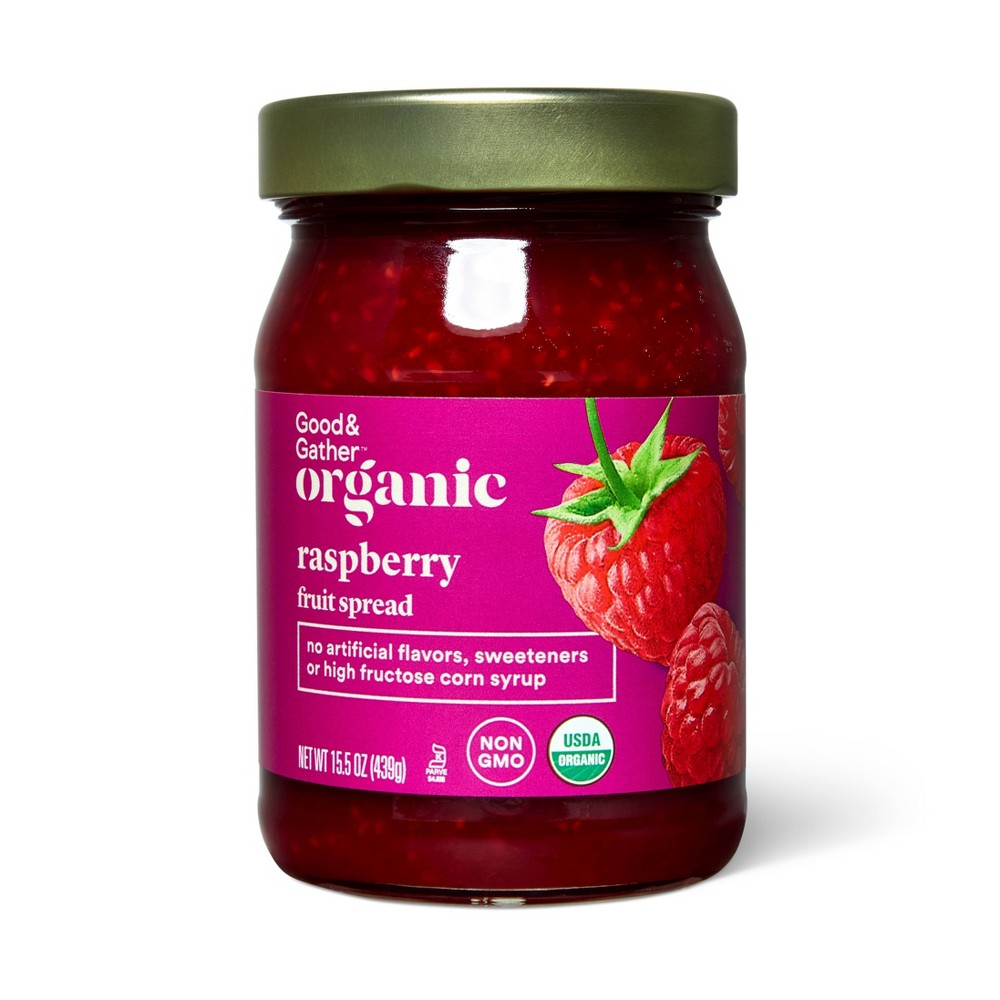
This raspberry fruit spread contains organic raspberries, which are a nutritious source of antioxidants and vitamins, and ascorbic acid, which adds vitamin C. However, the presence of organic cane sugar, a refined sugar, contributes to calorie intake without essential nutrients and poses health risks if consumed in excess. The product is moderately processed, which limits its potential health score despite the use of organic ingredients.
Key ingredients 5
Organic RaspberriesVery Good
Organic raspberries are a rich source of antioxidants and vitamins, particularly vitamin C. Being organic, they are grown without synthetic pesticides or fertilizers, enhancing their nutritional profile. They provide natural sweetness and flavor without added sugars.
Benefits
Rich in antioxidants and vitamin C, supporting immune function and reducing oxidative stress.
Ascorbic AcidGood
Ascorbic acid, also known as vitamin C, is an essential nutrient that supports immune function and acts as an antioxidant. It is added to preserve color and extend shelf life. It enhances the nutritional value of the product by providing additional vitamin C.
Benefits
Supports immune health and acts as an antioxidant, protecting cells from damage.
Pectin SolutionNeutral
Pectin is a natural gelling agent derived from fruits, used to thicken and stabilize the spread. It is generally considered safe and is a common ingredient in jams and jellies. It does not contribute significant nutritional value but aids in achieving the desired texture.
Benefits
Helps in achieving the desired consistency of the spread without adding calories.
Citric AcidNeutral
Citric acid is a natural preservative and flavor enhancer commonly used in food products. It helps maintain the acidity and freshness of the spread. While it is generally recognized as safe, it does not provide nutritional benefits.
Risks
Excessive consumption may cause dental erosion, but typical usage levels in food are safe.
Benefits
Enhances flavor and preserves the product by maintaining acidity.
Organic Cane SugarBad
Organic cane sugar is a refined sugar that contributes to calorie intake without providing essential nutrients. Despite being organic, it still poses similar health risks as regular sugar, such as increasing the risk of obesity and dental cavities. It is used to sweeten the product but should be consumed in moderation.
Risks
Excessive consumption can lead to weight gain, increased risk of type 2 diabetes, and dental issues.
Benefits
Provides energy but lacks significant nutritional benefits.
Processing
Processed Foods
Get the full breakdown in the Scout appTake Scout shopping
Scan any product to see lab results, healthy alternatives, and your personalized analysis.
Download on theApp Store GET IT ONGoogle Play