


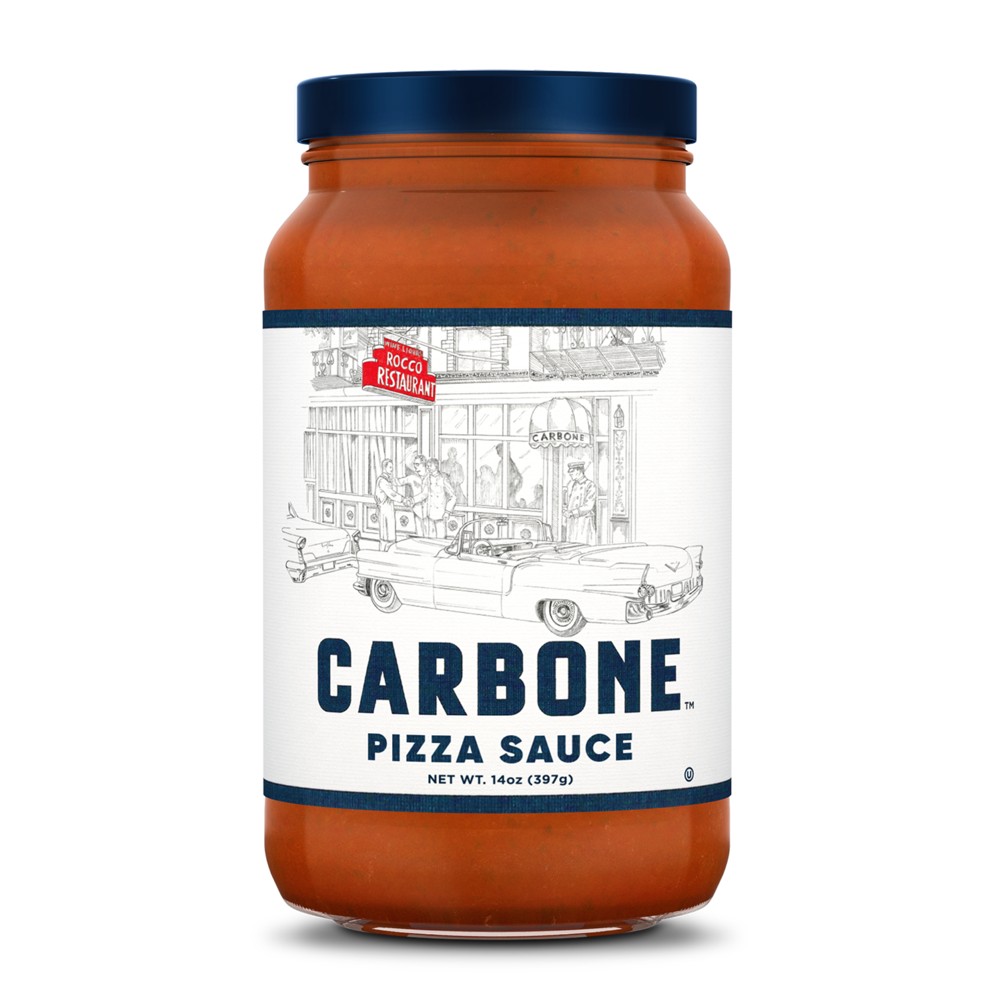
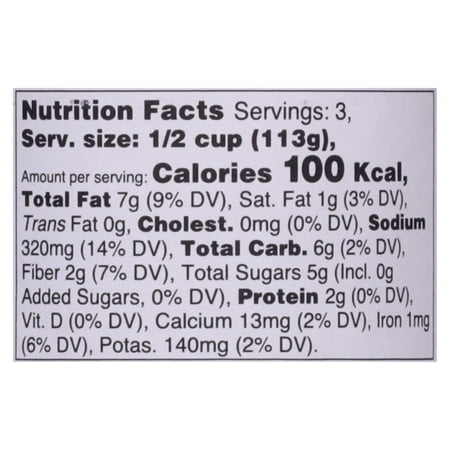




Trader Joe pizza sauce
Trader Joe'sAnalysis updated June 2026 · How Scout scores
Near you
Trader Joe's is carried at Trader Joe stores. Find one within 25 miles.
At a glance
Summary
This pizza sauce contains beneficial ingredients like tomato paste and extra virgin olive oil, which provide antioxidants and healthy fats. However, the presence of refined sugar and its processed nature limit its healthfulness. The ingredient list is relatively clean, but the processing level and added sugar prevent it from scoring higher.
Key ingredients 10
Extra virgin olive oilVery Good
High-quality monounsaturated fat with anti-inflammatory properties. Contains antioxidants that support heart health. Cold-pressed extraction preserves beneficial compounds.
Benefits
Rich in monounsaturated fats that support heart health and provide anti-inflammatory properties. Contains antioxidants like vitamin E and polyphenols that may reduce oxidative stress.
Tomato pasteGood
Tomato paste is a concentrated source of tomatoes, providing a rich flavor and nutrients. It is high in lycopene, an antioxidant linked to reduced risk of certain diseases. The concentration process enhances its nutrient density compared to fresh tomatoes.
Benefits
Rich in lycopene and other antioxidants that support heart health and may reduce cancer risk.
Garlic powderGood
Garlic powder provides flavor and potential health benefits due to its bioactive compounds. It contains allicin, which has been linked to improved cardiovascular health. The drying process retains many of the beneficial compounds found in fresh garlic.
Benefits
Contains allicin, which may support heart health and has antimicrobial properties.
OreganoGood
Oregano is a herb rich in antioxidants and has anti-inflammatory properties. It contains compounds like thymol and carvacrol that may support immune health. Used in small amounts, it enhances flavor without adding calories.
Benefits
Rich in antioxidants and may support immune health due to its bioactive compounds.
Black pepperGood
Black pepper is a spice that enhances flavor and has potential health benefits. It contains piperine, which may improve nutrient absorption and has anti-inflammatory effects. Used in moderation, it contributes to the overall flavor profile.
Benefits
Contains piperine, which may enhance nutrient absorption and has anti-inflammatory properties.
Onion powderGood
Onion powder provides flavor and contains beneficial compounds like quercetin. It retains many of the nutrients found in fresh onions, including antioxidants. The drying process concentrates its flavor and nutrient content.
Benefits
Contains antioxidants and may support heart health due to its bioactive compounds.
WaterNeutral
Water is a neutral ingredient used as a base in many food products. It acts as a solvent and carrier for other ingredients. It does not contribute any nutritional value or health risks.
See more about Water →SaltNeutral
Salt is used to enhance flavor and preserve food. It is essential for bodily functions but should be consumed in moderation. Excessive intake can lead to health issues such as hypertension.
Risks
Excessive salt intake can contribute to high blood pressure and cardiovascular disease.
Benefits
Provides essential sodium necessary for nerve and muscle function.
Citric acidNeutral
Citric acid is used as a preservative and to add acidity to foods. It is naturally found in citrus fruits and is generally recognized as safe. It helps maintain the stability and flavor of the product.
Benefits
Helps preserve food and maintain flavor stability.
SugarBad
Refined sugar is used to enhance sweetness but offers no nutritional benefits. Excessive consumption can lead to health issues such as obesity and diabetes. It is a processed ingredient that should be consumed in moderation.
Risks
High intake of refined sugar is associated with increased risk of obesity, type 2 diabetes, and dental cavities.
Processing
Processed Foods
Get the full breakdown in the Scout appTake Scout shopping
Scan any product to see lab results, healthy alternatives, and your personalized analysis.
Download on theApp Store GET IT ONGoogle PlayAmazon pricing & content
Amazon price as of . Product prices and availability are accurate as of the date/time indicated and are subject to change. Any price and availability information displayed on Amazon.com at the time of purchase will apply to the purchase of this product.
CERTAIN CONTENT THAT APPEARS ON THIS SITE COMES FROM AMAZON. THIS CONTENT IS PROVIDED “AS IS” AND IS SUBJECT TO CHANGE OR REMOVAL AT ANY TIME.