


At a glance
Summary
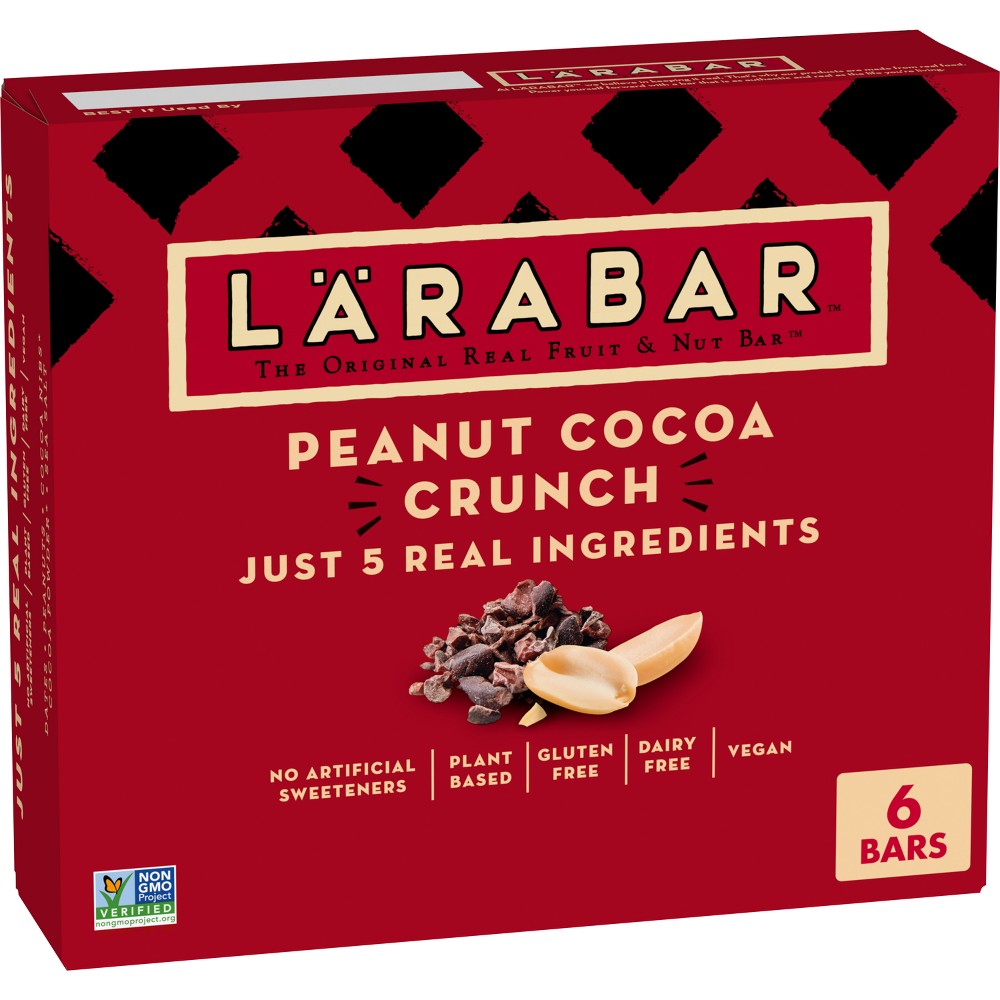
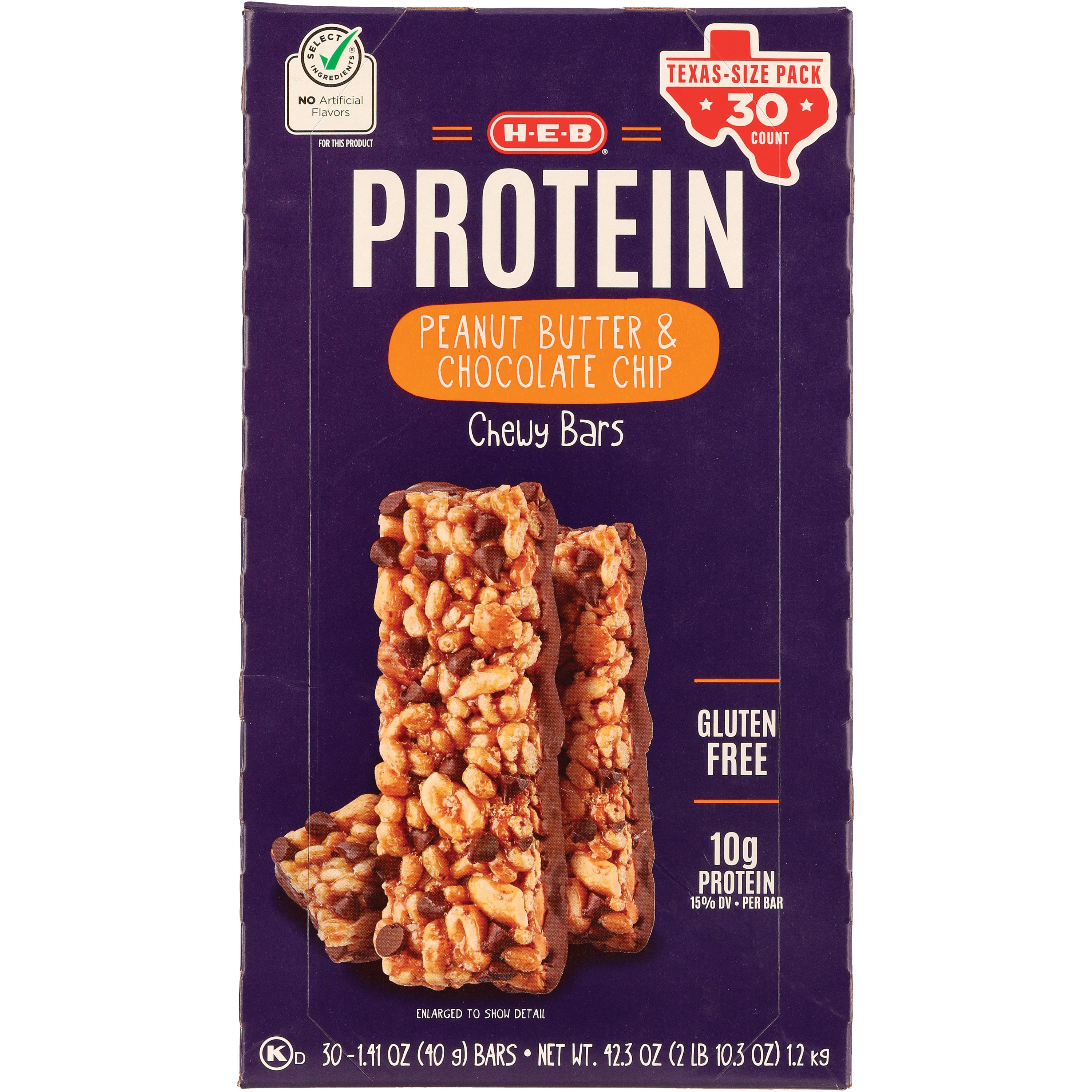
This snack bar features a relatively clean ingredient list with beneficial components like roasted peanuts, dates, and unrefined coconut oil, which provide healthy fats and natural sweetness. The use of raw honey and Himalayan pink salt further enhances its nutritional profile. However, the presence of sunflower lecithin as an emulsifier and the overall processing level limit its score, despite the absence of major harmful ingredients.
Key ingredients 9
Roasted peanutsGood
Roasted peanuts are a good source of protein and healthy fats. They contain monounsaturated fats that support heart health. The roasting process enhances flavor without significantly degrading nutritional value.
Risks
Potential allergen for individuals with peanut allergies.
Benefits
Rich in protein and healthy fats, which can support heart health and provide sustained energy.
DatesGood
Dates are a natural sweetener rich in fiber and essential nutrients. They provide a source of natural sugars that are less processed than refined sugars. Their fiber content aids in digestion and provides a slow release of energy.
Risks
High in natural sugars, which can contribute to calorie intake if consumed in excess.
Benefits
Rich in fiber and essential nutrients, supporting digestive health and providing a natural energy boost.
Unrefined coconut oilGood
Unrefined coconut oil is a source of medium-chain triglycerides (MCTs) that can support metabolism. It is less processed than refined oils, retaining more nutrients. The oil provides a stable fat source that is resistant to oxidation.
Risks
High in saturated fats, which should be consumed in moderation.
Benefits
Contains MCTs that may support metabolism and provide quick energy.
Raw honeyGood
Raw honey is a natural sweetener with antioxidant properties. It is less processed than refined sugars and retains beneficial enzymes and nutrients. The natural sugars in honey provide a quick source of energy.
Risks
High in sugars, which can contribute to calorie intake if consumed in excess.
Benefits
Provides antioxidants and beneficial enzymes, supporting overall health.
Vanilla extractGood
Beneficial ingredient — whole-food or functional value in this product class.
Benefits
Adds natural flavor and contains antioxidants that may support health.
Himalayan pink saltGood
Himalayan pink salt is a natural source of sodium and trace minerals. It is less processed than table salt and contains minerals like magnesium and potassium. The use of unrefined salt can enhance flavor and provide essential nutrients.
Risks
Excessive sodium intake can lead to hypertension and cardiovascular issues.
Benefits
Provides essential minerals and enhances flavor without the additives found in refined salt.
Pea protein crispsNeutral
Pea protein crisps provide a plant-based protein source. They are less processed compared to soy-based proteins but may have lower bioavailability than animal proteins. The inclusion of rice starch helps in texture but adds minimal nutritional value.
Risks
May not provide a complete amino acid profile compared to animal-based proteins.
Benefits
Offers a plant-based protein option that is free from common allergens like soy and dairy.
Alkalized cocoa powderNeutral
Alkalized cocoa powder is processed to reduce acidity and enhance flavor. It retains some antioxidants but may have reduced flavonoid content compared to natural cocoa. The alkalization process improves solubility and taste.
Risks
May contain lower levels of beneficial flavonoids compared to non-alkalized cocoa.
Benefits
Provides a rich chocolate flavor and some antioxidant properties.
Sunflower lecithinBad
Sunflower lecithin is used as an emulsifier to improve texture and consistency. It is less processed than soy lecithin but still involves chemical extraction. The presence of lecithin can aid in the blending of ingredients.
Risks
May cause digestive issues in sensitive individuals.
Benefits
Helps improve texture and consistency in food products.
Processing
Processed Foods
Get the full breakdown in the Scout appTake Scout shopping
Scan any product to see lab results, healthy alternatives, and your personalized analysis.
Download on theApp Store GET IT ONGoogle Play