
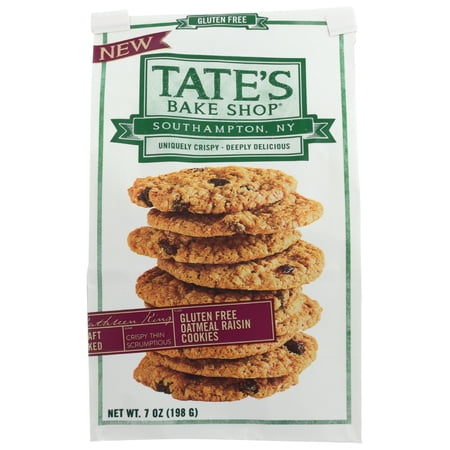


GLUTEN FREE OATMEAL RAISIN COOKIES
Analysis updated July 2026 · How Scout scores
At a glance
Summary
These gluten-free oatmeal raisin cookies feature a relatively clean ingredient list with beneficial components like oats, raisins, and butter, which contribute to their nutritional value. However, the high sugar content and the presence of processed ingredients like rice flour and baking soda indicate a moderate level of processing. While the cookies avoid harmful additives and seed oils, their processed nature and sugar levels prevent a higher rating.
Key ingredients 12
OatsVery Good
Oats are a whole grain rich in fiber, particularly beta-glucan, which can help lower cholesterol levels. They provide a good source of vitamins, minerals, and antioxidants. Oats are also known for their ability to improve satiety and digestive health.
Risks
May contain gluten if not certified gluten-free, posing a risk for those with celiac disease.
Benefits
Rich in fiber and nutrients, supporting heart health and digestion.
ButterGood
Butter is a natural source of fat that provides a rich flavor and texture to baked goods. It contains fat-soluble vitamins like A, D, E, and K, especially when sourced from grass-fed cows. Compared to seed oils, butter has a more favorable fatty acid profile.
Risks
High in saturated fats, which may contribute to heart disease if consumed in excess.
Benefits
Rich in fat-soluble vitamins and provides a natural source of energy and flavor.
RaisinsGood
Raisins are dried grapes that provide natural sweetness and a source of fiber and antioxidants. They contain iron and potassium, contributing to overall nutritional value. Raisins can enhance the flavor and texture of baked goods.
Risks
High in natural sugars, which can contribute to calorie intake if consumed in large quantities.
Benefits
Rich in fiber and antioxidants, supporting digestive health and providing essential nutrients.
EggsGood
Eggs are a high-quality source of protein and essential nutrients such as choline and vitamin D. They provide structure and richness to baked goods. Compared to plant-based proteins, eggs offer a complete amino acid profile.
Risks
Potential allergen for some individuals and high cholesterol content may be a concern for certain populations.
Benefits
Excellent source of protein and essential nutrients, supporting muscle health and overall nutrition.
MilkGood
Whole dairy ingredient.
Risks
Potential allergen and may cause digestive issues for lactose-intolerant individuals.
Benefits
Provides calcium and vitamin D, supporting bone health.
Vanilla extractGood
Beneficial ingredient — whole-food or functional value in this product class.
Benefits
Enhances flavor and aroma in foods, contributing to sensory appeal.
CinnamonGood
Cinnamon is a spice known for its antioxidant properties and potential to regulate blood sugar levels. It adds a warm, sweet flavor to foods and has been used in traditional medicine. Compared to other spices, it offers unique health benefits.
Risks
Excessive consumption may lead to liver damage due to coumarin content in some varieties.
Benefits
Rich in antioxidants and may help regulate blood sugar levels.
Rice flourNeutral
Rice flour is a gluten-free alternative to wheat flour, commonly used in gluten-free baking. It is less allergenic and provides a light texture to baked goods. However, it lacks the protein content found in wheat flour.
Benefits
Provides a gluten-free option for those with celiac disease or gluten intolerance.
Brown cane sugarNeutral
Brown cane sugar is a less refined sugar that retains some molasses content, giving it a distinct flavor. It is used as a sweetener in many baked goods. While it provides trace minerals, it is still a form of refined sugar.
Risks
High sugar content can contribute to obesity, diabetes, and dental issues if consumed in excess.
Benefits
Provides a natural sweetening option with trace minerals from molasses.
SaltNeutral
Salt is used to enhance flavor and act as a preservative in foods. It is a necessary nutrient for maintaining fluid balance and nerve function. However, excessive intake can lead to hypertension and cardiovascular issues.
Risks
High sodium intake can contribute to high blood pressure and cardiovascular disease.
Benefits
Essential for maintaining fluid balance and nerve function.
Baking sodaNeutral
Baking soda is a leavening agent that helps baked goods rise by releasing carbon dioxide. It is a common ingredient in baking for its ability to improve texture and volume. It is generally recognized as safe when used in appropriate amounts.
Risks
Excessive consumption can lead to metabolic alkalosis and electrolyte imbalances.
Benefits
Improves texture and volume in baked goods, enhancing their quality.
Cane sugarBad
Processed additive flagged under Scout's ingredient doctrine.
Risks
Excessive consumption can lead to health issues such as obesity and tooth decay.
Processing
Processed Foods
Get the full breakdown in the Scout appTake Scout shopping
Scan any product to see lab results, healthy alternatives, and your personalized analysis.
Download on theApp Store GET IT ONGoogle Play