
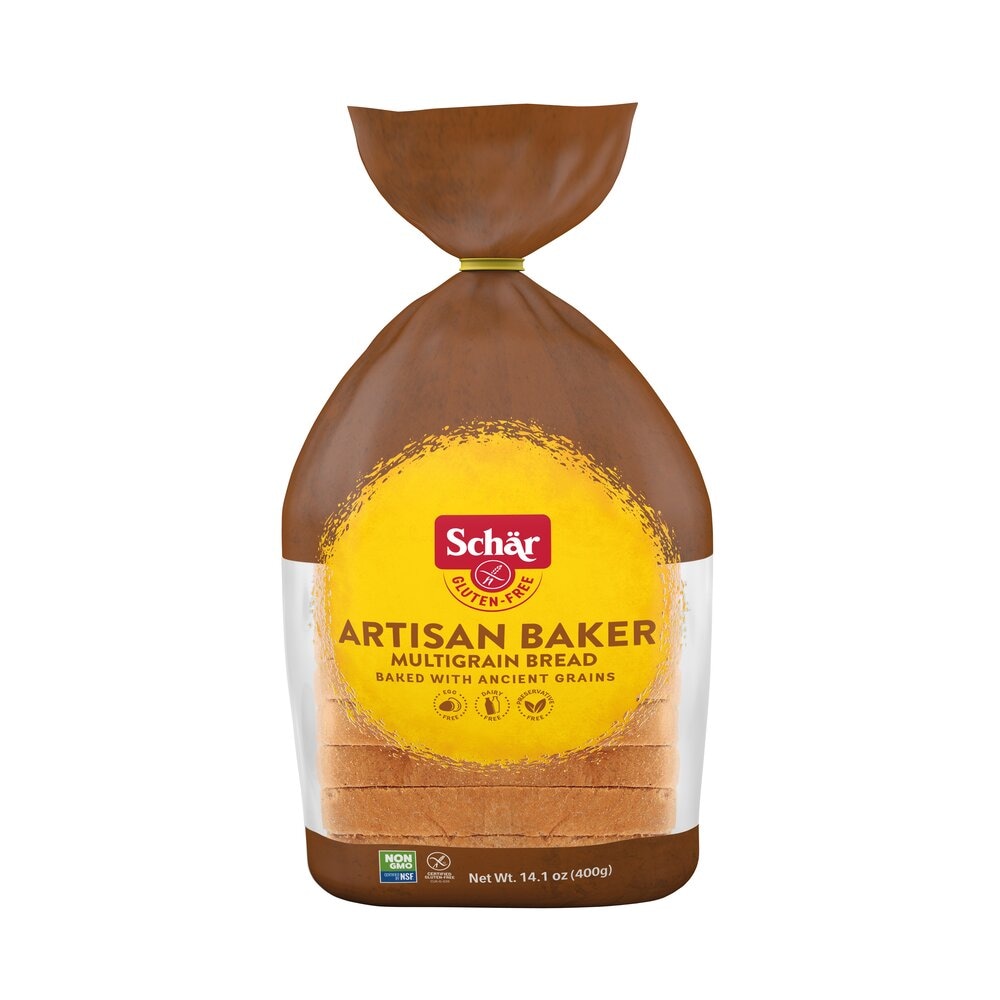

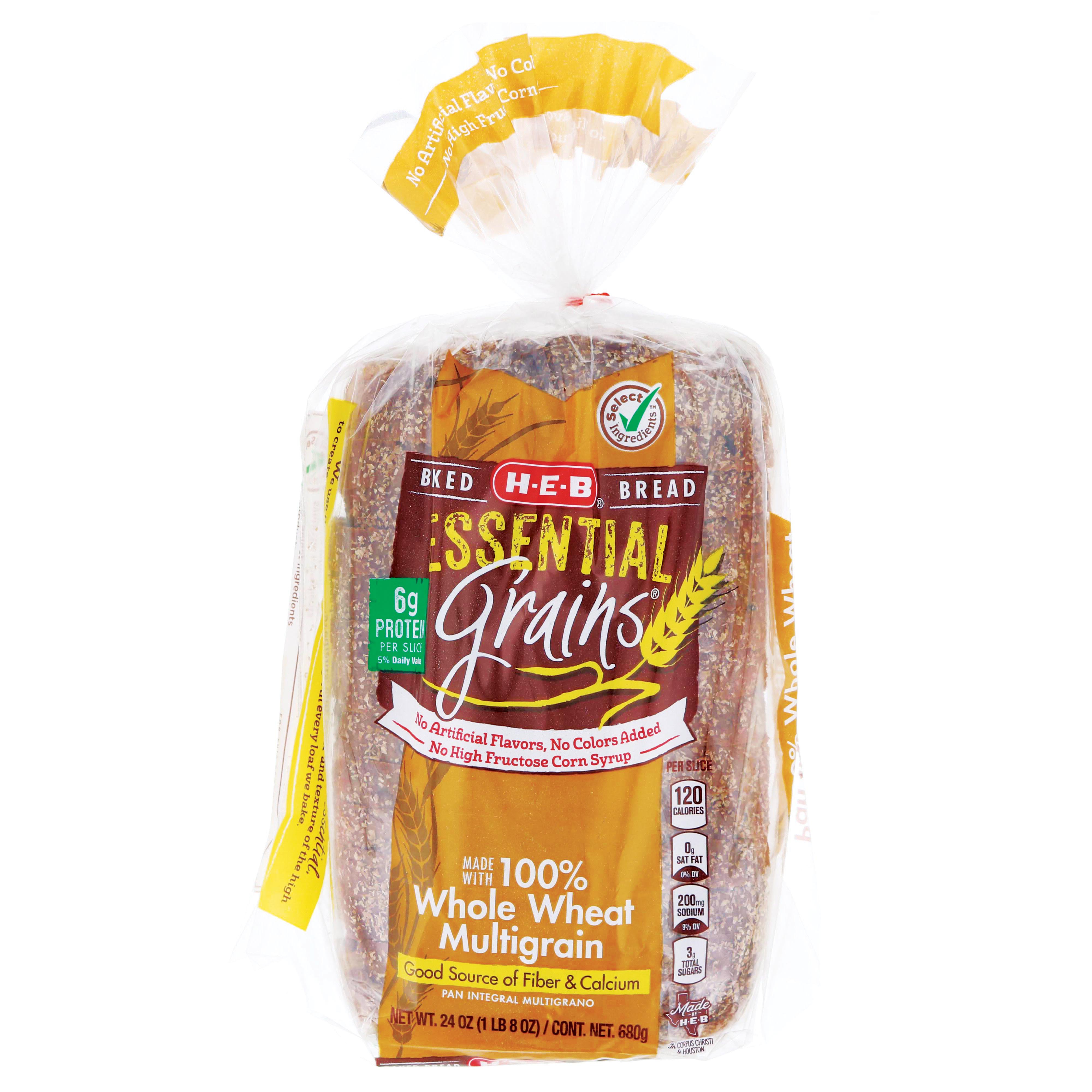

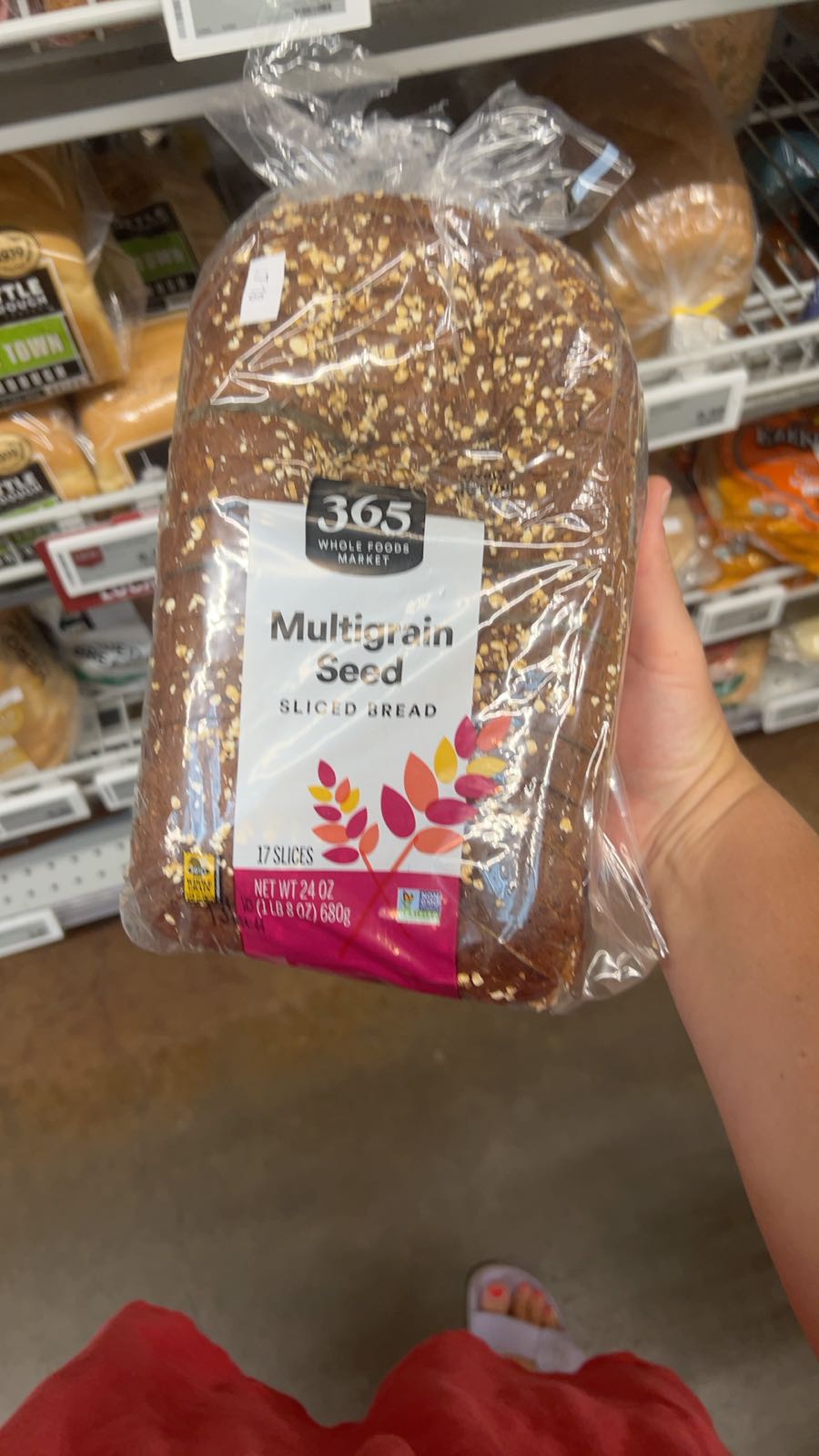
Multi Grain Gluten Free Bread
Analysis updated May 2026 · How Scout scores
At a glance
Summary
This gluten-free bread includes beneficial ingredients like quinoa flour, psyllium seed husk, and flax seeds, which enhance its nutritional profile with fiber and essential nutrients. However, the presence of sunflower oil, a seed oil high in omega-6 fatty acids, and agave syrup, a sweetener with high fructose content, are concerning. The product is moderately processed, which limits its score despite the inclusion of some high-quality ingredients.
Key ingredients 17
Psyllium seed huskVery Good
Psyllium seed husk is a soluble fiber that aids in digestion and can help regulate blood sugar levels. It is beneficial for maintaining bowel health and can aid in weight management. It also helps improve the texture and moisture retention in gluten-free baking.
Benefits
Supports digestive health and can help regulate blood sugar levels due to its high fiber content.
Flax seedsVery Good
Flax seeds are rich in omega-3 fatty acids, fiber, and lignans, which support heart health and have anti-inflammatory properties. They are a good source of plant-based protein and can aid in digestion. Their inclusion enhances the nutritional profile of the product.
Benefits
Rich in omega-3 fatty acids and fiber, supporting heart health and providing anti-inflammatory benefits.
SourdoughGood
Sourdough is a fermented product that can improve digestibility and nutrient absorption. The fermentation process can enhance the bioavailability of minerals. It may also contribute to a lower glycemic index compared to regular bread.
Benefits
Contains beneficial probiotics that support gut health and may improve digestion.
Quinoa flourGood
Quinoa flour is a nutrient-rich alternative to traditional flours, providing protein and essential amino acids. It is gluten-free and contains fiber, vitamins, and minerals. It can improve the nutritional profile of gluten-free products.
Benefits
Rich in protein and essential amino acids, supporting muscle health and providing a complete protein source.
Buckwheat flourGood
Buckwheat flour is a gluten-free flour rich in fiber and essential nutrients. It contains antioxidants and is a good source of protein. It can improve the nutritional profile of gluten-free products.
Benefits
Rich in fiber and antioxidants, supporting heart health and providing essential nutrients.
Millet flourGood
Millet flour is a gluten-free flour rich in fiber and essential nutrients. It provides a good source of magnesium and phosphorus. It can enhance the nutritional profile of gluten-free products.
Benefits
Rich in fiber and essential nutrients, supporting overall health and providing a gluten-free alternative.
WaterNeutral
Water is a neutral ingredient used as a solvent and to provide moisture. It does not contribute any calories or nutrients. It is essential for the dough formation and texture.
See more about Water →Rice starchNeutral
Rice starch is used as a thickening agent and to improve texture. It is a refined carbohydrate with minimal nutritional value. It is gluten-free, making it suitable for those with gluten intolerance.
See more about Rice starch →Corn starchNeutral
Corn starch is a common thickening agent used to improve texture. It is a refined carbohydrate with little nutritional value. It is gluten-free, making it suitable for those with gluten intolerance.
See more about Corn starch →Modified celluloseNeutral
Modified cellulose is used as a stabilizer and thickener in food products. It is derived from plant fibers and is generally considered safe. It helps improve the texture and shelf life of the product.
See more about Modified cellulose →Caramelized sugarNeutral
Caramelized sugar is used for flavor and color in food products. It is a form of sugar that has been heated to develop a rich flavor. While it adds sweetness, it does not provide significant nutritional benefits.
Risks
Excessive consumption of sugars can lead to metabolic issues and dental problems.
Benefits
Adds flavor and color to food products.
Corn flourNeutral
Corn flour is a gluten-free flour used to improve texture and structure in baked goods. It is a refined carbohydrate with minimal nutritional value. It is suitable for those with gluten intolerance.
See more about Corn flour →Guar gumNeutral
Guar gum is a thickening agent used to improve texture and stability in food products. It is derived from guar beans and is generally considered safe. It helps maintain moisture and consistency in gluten-free baking.
Risks
Excessive consumption may cause digestive discomfort in sensitive individuals.
Benefits
Improves texture and stability in food products.
Pea proteinNeutral
Pea protein is a plant-based protein source that provides essential amino acids. It is less bioavailable compared to animal-based proteins. It is suitable for those seeking a vegan protein option.
Benefits
Provides a plant-based protein source with essential amino acids.
Agave syrupBad
Agave syrup is a sweetener with a high fructose content, which can contribute to metabolic issues. It is often marketed as a healthier alternative to sugar, but its high fructose content can be problematic. Excessive consumption may lead to insulin resistance and liver issues.
Risks
High fructose content may contribute to metabolic syndrome and liver issues when consumed in excess.
Benefits
Provides sweetness with a lower glycemic index than regular sugar.
SoyBad
Soy can be a common allergen and may contain phytoestrogens that affect hormone balance. It is often genetically modified and heavily processed. While it provides protein, it is less bioavailable compared to animal-based proteins.
Risks
May cause allergic reactions and affect hormone balance due to phytoestrogens.
Benefits
Provides plant-based protein, though less bioavailable than animal proteins.
Sunflower oilVery Bad
Sunflower oil is a seed oil high in omega-6 fatty acids, which can promote inflammation when consumed in excess. It is often highly processed and refined. The high omega-6 content can disrupt the omega-3 to omega-6 balance in the diet.
Risks
High omega-6 content may promote inflammation and disrupt the omega-3 to omega-6 balance.
Processing
Processed Foods
Get the full breakdown in the Scout appTake Scout shopping
Scan any product to see lab results, healthy alternatives, and your personalized analysis.
Download on theApp Store GET IT ONGoogle PlayAmazon pricing & content
Amazon price as of . Product prices and availability are accurate as of the date/time indicated and are subject to change. Any price and availability information displayed on Amazon.com at the time of purchase will apply to the purchase of this product.
CERTAIN CONTENT THAT APPEARS ON THIS SITE COMES FROM AMAZON. THIS CONTENT IS PROVIDED “AS IS” AND IS SUBJECT TO CHANGE OR REMOVAL AT ANY TIME.