


At a glance
Summary
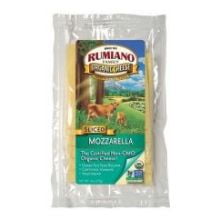
This cheese is made from high-quality organic ingredients, including pasteurized organic milk, cheese cultures, and sea salt, which contribute to its nutritional value and flavor. The product is processed but maintains a clean label with no harmful additives, making it a healthier choice compared to more heavily processed cheese products. Its organic certification and minimal ingredient list support a higher score within the processed food category.
Key ingredients 4
Pasteurized organic milkGood
Organic milk is a high-quality source of protein and essential nutrients. The pasteurization process ensures safety by eliminating harmful bacteria. Being organic, it is free from synthetic pesticides and hormones.
Benefits
Provides essential nutrients such as calcium, vitamin D, and high-quality protein. Organic certification ensures it is free from synthetic additives and hormones.
Cheese culturesGood
Cheese cultures are beneficial bacteria that aid in the fermentation process, enhancing flavor and texture. They contribute to the development of probiotics, which support gut health. The use of traditional cultures is a marker of quality in cheese production.
Benefits
Supports gut health through the development of probiotics. Enhances the flavor and texture of the cheese.
Sea saltGood
Sea salt is a natural source of sodium and trace minerals. It is less processed than regular table salt, retaining beneficial minerals. Its use in cheese helps in flavor development and preservation.
Risks
Excessive consumption of sodium can lead to health issues such as hypertension.
Benefits
Provides essential minerals and enhances the flavor of the cheese.
Vegetable enzymesNeutral
Vegetable enzymes are used to coagulate milk in cheese production, serving as a vegetarian alternative to animal rennet. They are generally considered safe and effective in cheese making. Their use supports vegetarian dietary preferences.
Benefits
Allows for cheese production suitable for vegetarians. Effective in coagulating milk for cheese making.
Processing
Processed Foods
Get the full breakdown in the Scout appTake Scout shopping
Scan any product to see lab results, healthy alternatives, and your personalized analysis.
Download on theApp Store GET IT ONGoogle Play