
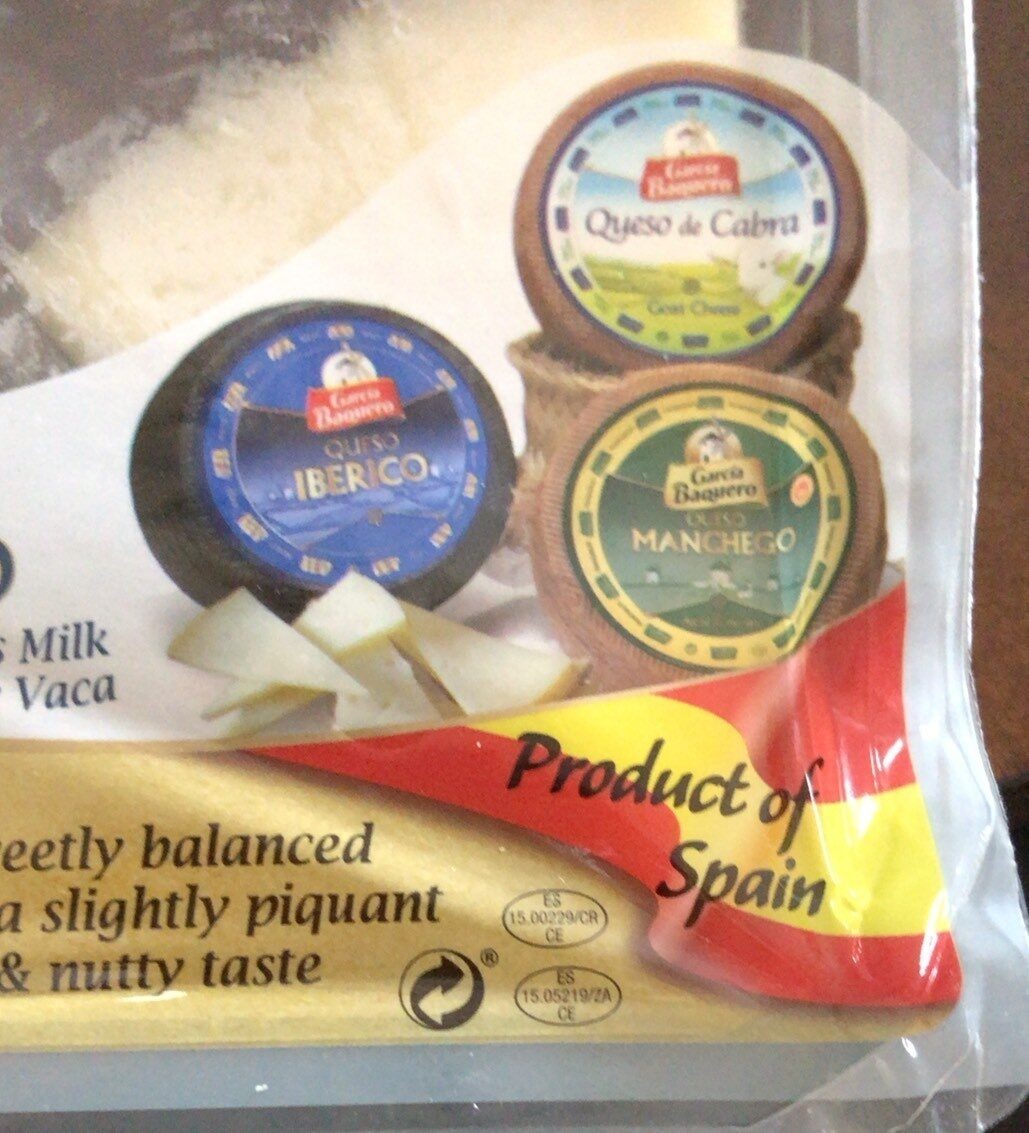


Spanish Cheese Plate: Manchego, Semi-Soft Goat & Iberico Cheese
Analysis updated August 2026 · How Scout scores
At a glance
Summary
This cheese plate features traditional cheeses made from pasteurized milk, cheese cultures, salt, and rennet, which are typical ingredients for cheese production. The product is processed but maintains a clean ingredient list without harmful additives or seed oils. The cheeses included are minimally processed and retain their nutritional integrity, allowing for a high score within the processing level cap.
Key ingredients 7
RennetGood
Beneficial ingredient — whole-food or functional value in this product class.
Benefits
Essential for coagulating milk and forming curds in cheese production.
Pasteurized goat's milkNeutral
Pasteurized goat's milk is a common base for cheese, providing essential nutrients like calcium and protein. The pasteurization process ensures safety by eliminating harmful bacteria. However, it lacks the probiotic benefits of raw milk.
Benefits
Provides essential nutrients such as calcium and protein, which are important for bone health.
Cheese culturesNeutral
Cheese cultures are used to ferment milk, aiding in the development of flavor and texture in cheese. They are essential for the cheesemaking process but do not provide direct health benefits. The cultures themselves are generally considered safe and beneficial for fermentation.
Benefits
Essential for the fermentation process, contributing to the flavor and texture of cheese.
SaltNeutral
Salt is used in cheese for flavor and as a preservative. It is a necessary component in cheese production but can contribute to high sodium intake if consumed in excess. The salt used is typically refined, lacking additional minerals found in sea salt.
Risks
Excessive consumption can lead to high sodium intake, which is associated with increased blood pressure.
Benefits
Acts as a preservative and enhances the flavor of cheese.
Calcium chlorideNeutral
Calcium chloride is used in cheese to improve curd formation and firmness. It is a common additive in cheesemaking and is generally recognized as safe. It does not provide significant nutritional benefits beyond its functional role.
Benefits
Improves curd formation and firmness in cheese production.
Pasteurized manchego sheep's milkNeutral
Pasteurized manchego sheep's milk is used to make Manchego cheese, providing a rich flavor and essential nutrients. Pasteurization ensures safety by eliminating harmful bacteria. It lacks the probiotic benefits of raw milk.
Benefits
Rich in nutrients such as calcium and protein, important for bone health.
Pasteurized sheep, cow, goat's milkNeutral
This combination of pasteurized milks is used to create a blend of flavors and textures in cheese. Pasteurization ensures safety by eliminating harmful bacteria. The blend provides a variety of nutrients but lacks the probiotic benefits of raw milk.
Benefits
Provides a range of nutrients including calcium and protein, supporting bone health.
Processing
Processed Foods
Get the full breakdown in the Scout appTake Scout shopping
Scan any product to see lab results, healthy alternatives, and your personalized analysis.
Download on theApp Store GET IT ONGoogle Play